2025 Technique Award(技術賞)
[Group-1]
1. Overcoming Low-Strength Ground Affected by Hydrothermal Alteration Using Circular Double Steel Supports (Hokkaido Longitudinal Expressway, Nanae Town, Onuma Tunnel Evacuation Passage West Onuma Section)
- Hakodate Road Office
- Hakodate Development and Construction Department
- Hokkaido Regional Development Bureau
- Ministry of Land, Infrastructure, Transport and Tourism
- Obayashi Corp.
- Iwata Chizaki Inc.
- MorikawaGumi Co., Ltd.
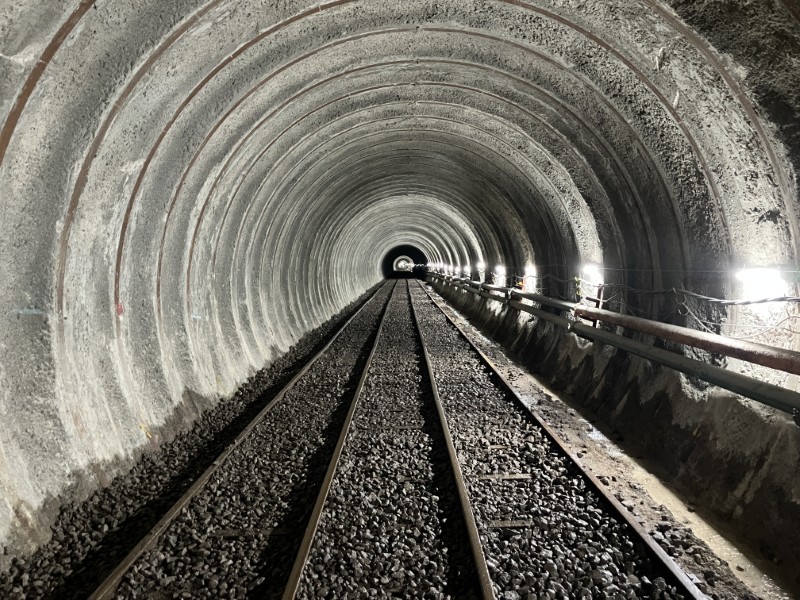
This project involves the construction of an evacuation tunnel for the Onuma Tunnel, the first long tunnel with an evacuation shaft developed by the Hokkaido Regional Development Bureau. The tunnel serves as a pilot tunnel constructed in advance of the main tunnel to assess ground conditions and reduce construction risks. The project encountered extremely weak, hydrothermally altered ground under high overburden exceeding 300 m, causing severe deformation and face instability. To address these challenges, a circular double support system was adopted and optimized through three-dimensional F EM analysis. In addition, the TWS construction method enabled early support installation and continuous operation. As a result, tunnel deformation was significantly reduced, ensuring stable excavation and successful completion under severe ground conditions.
2. Bulk Erection of Railway Girders on an Operational Line Using a Railway Girder Erection Machine (Civil Engineering Works for the Continuous Grade Separation Project on the Seibu Railway Shinjuku Line Between Nakai Station and Nogata station—Section 1)
- Seibu Railway Co., Ltd.,
- Railway Headquarters Construction Department Continuous grade separation office
- Kajima-Tekken-Toda-Goyo Construction Joint Venture
- Meiwa Industries Co., Ltd. h
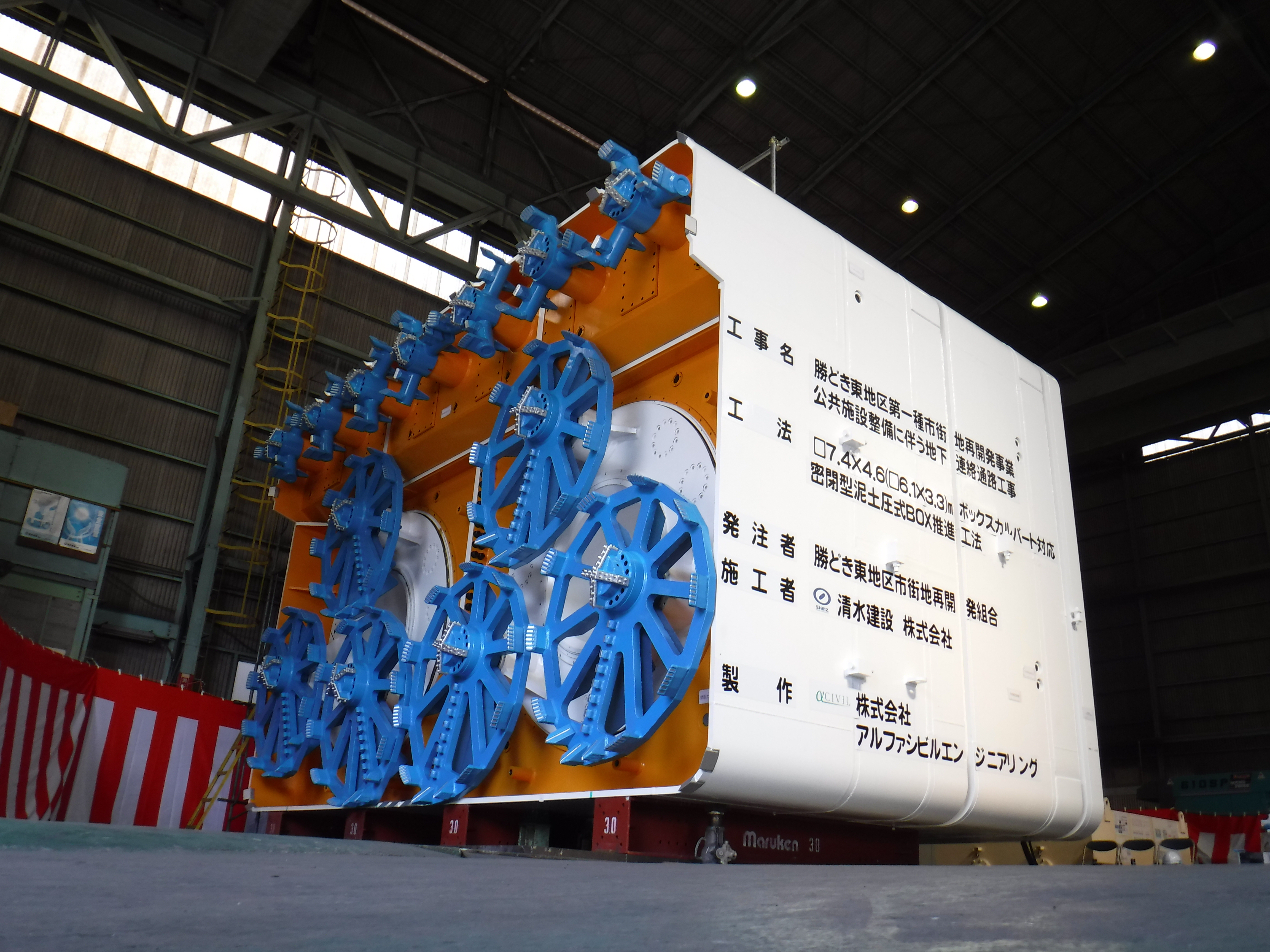
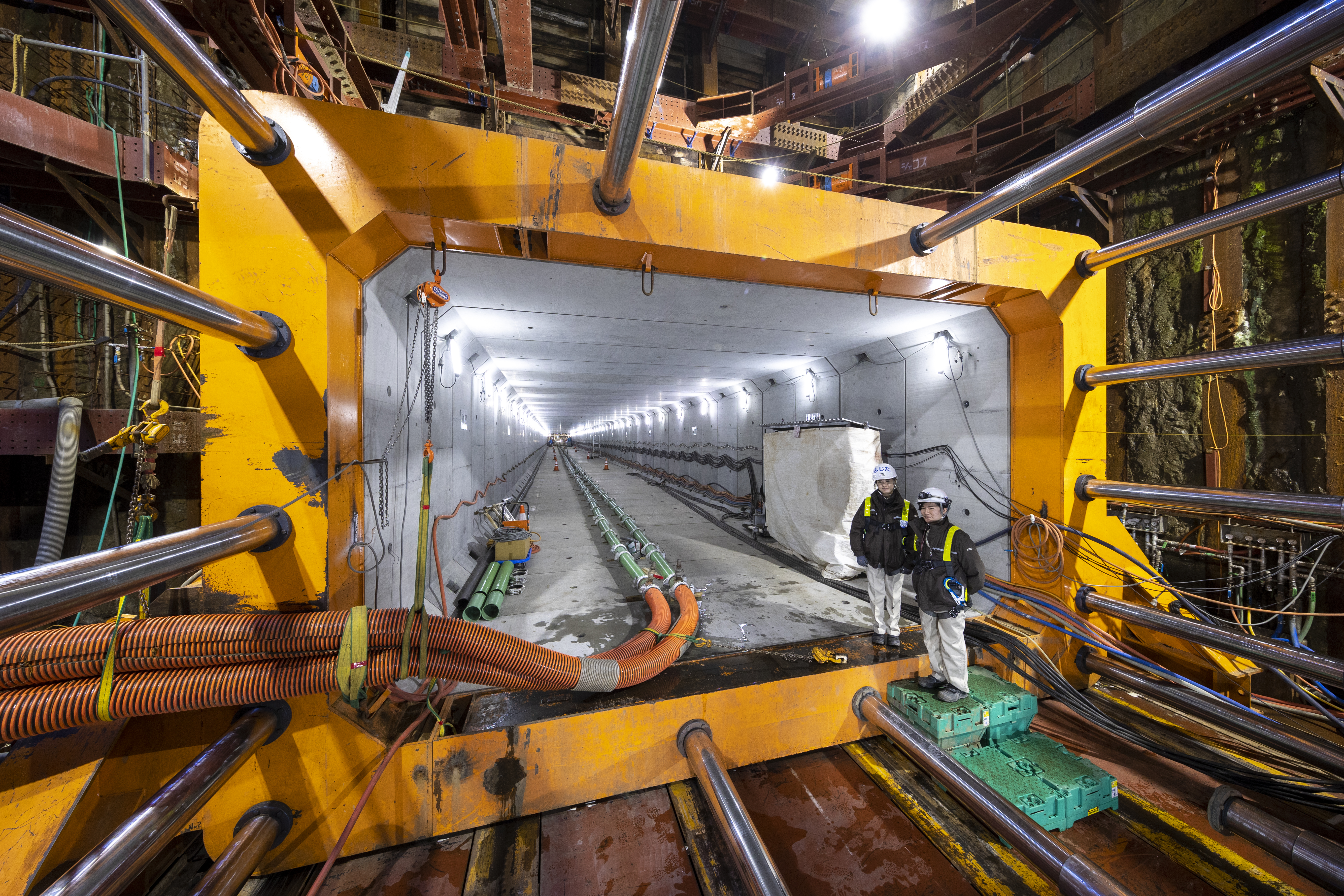
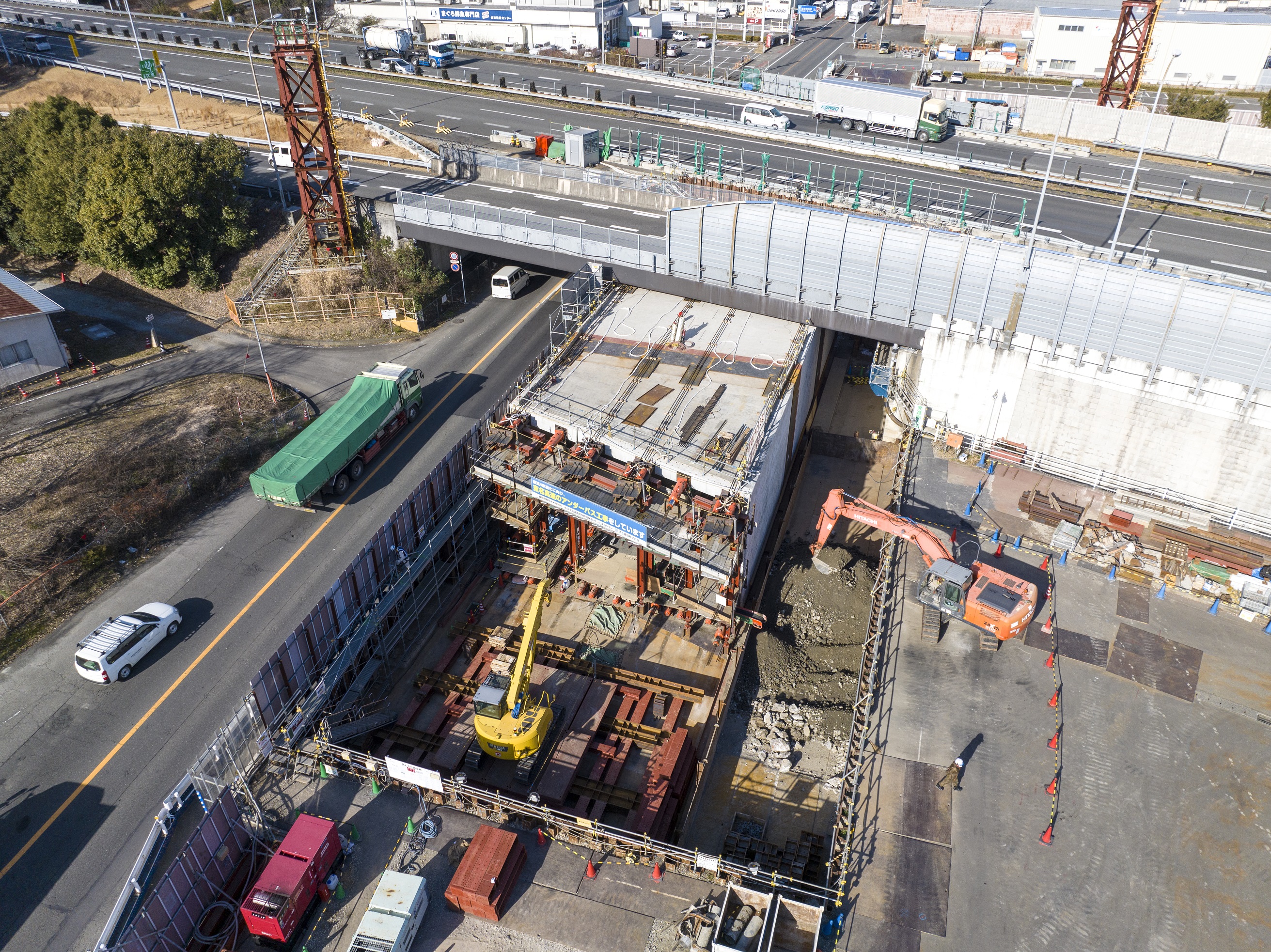
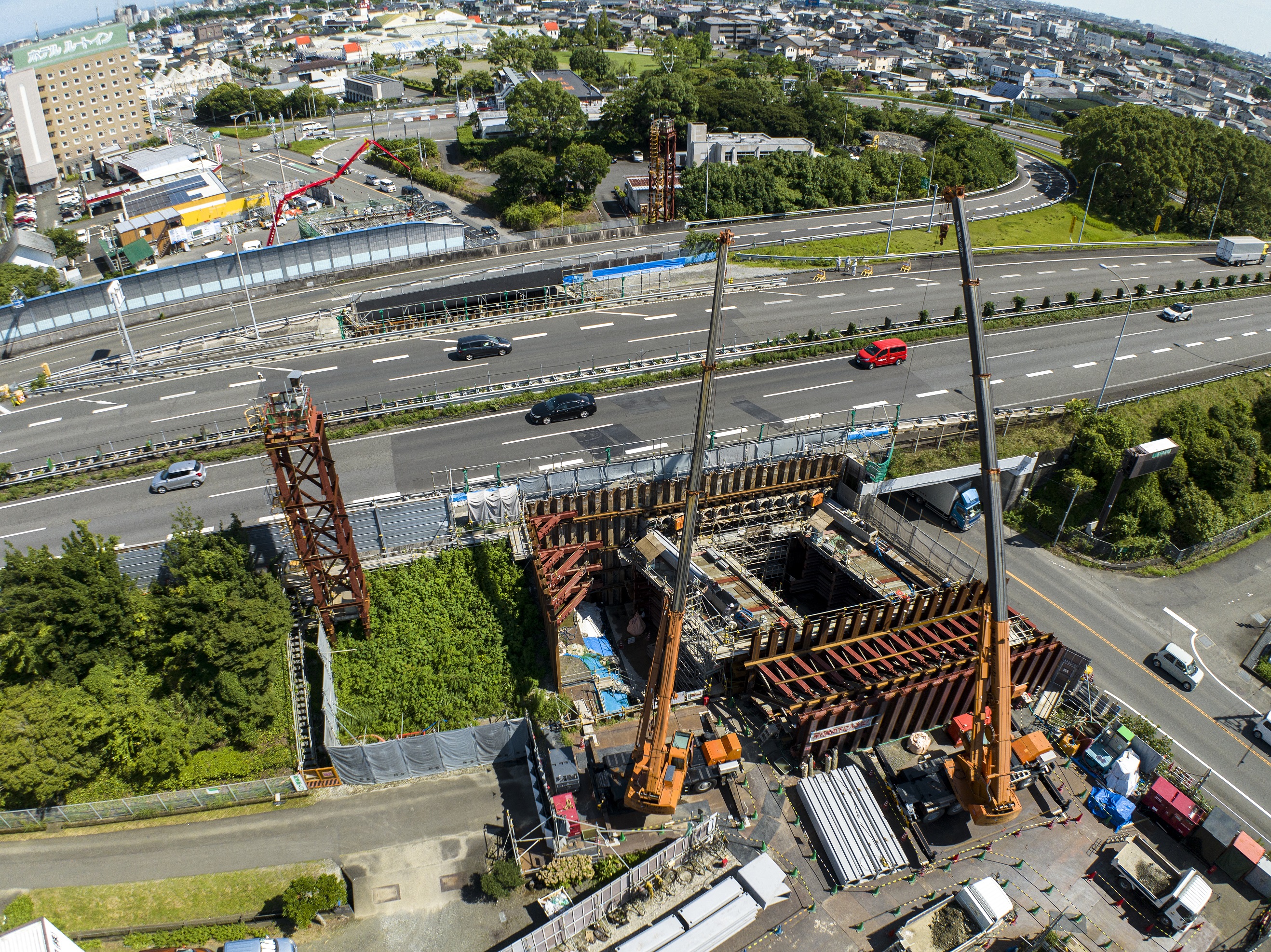
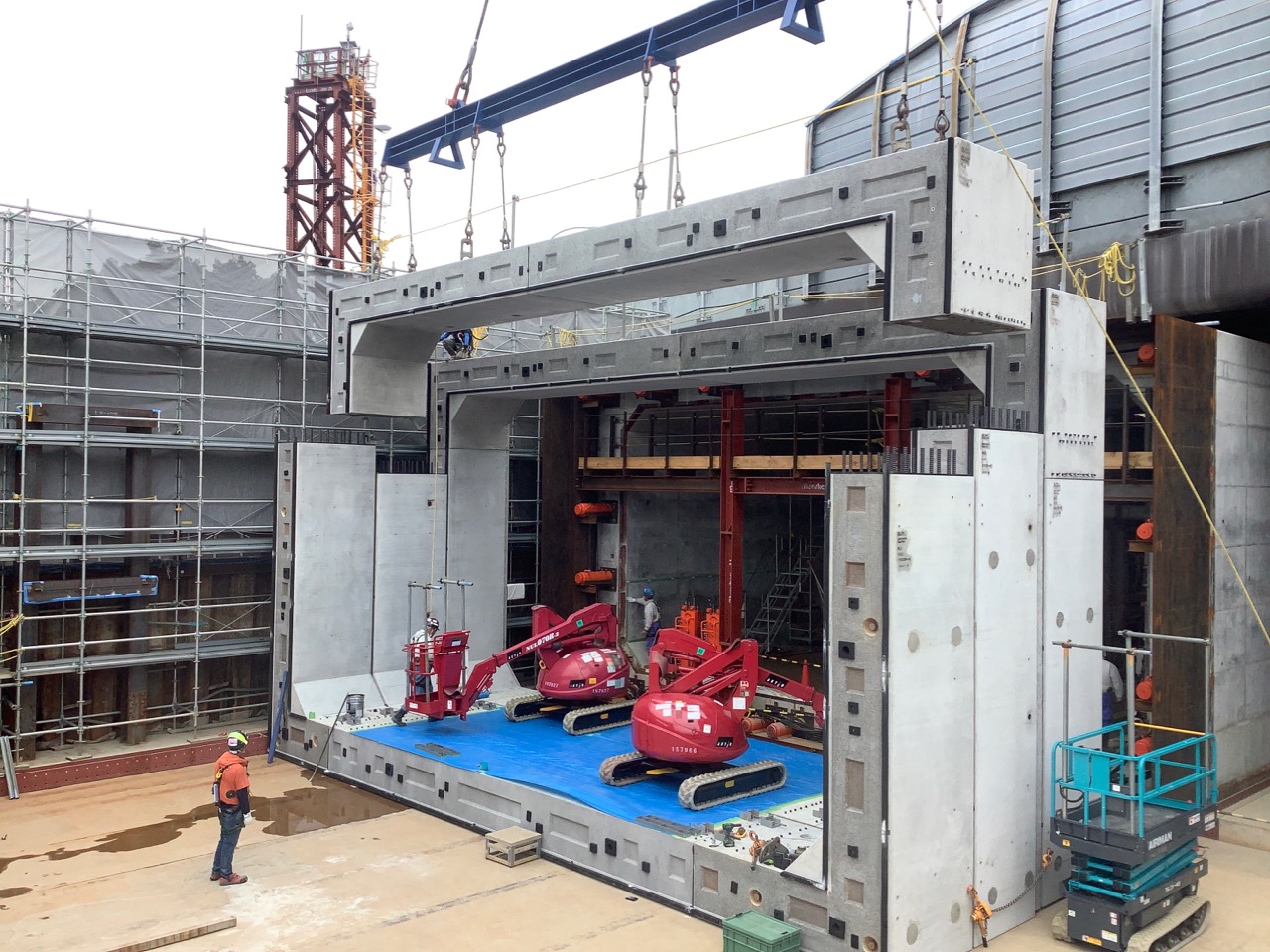
The Seibu Railway Shinjuku Line continuous grade separation project is an initiative to place the Seibu Railway Shinjuku Line underground along the approximately 2.4-kilometer. Of this, the approximately 180-meter section was planned to be excavated directly below the operational line, which would be temporarily supported by railway girders. Therefore, a railway girder erection machine capable of transporting and erecting railway girders with a single unit was developed. The dedicated erector enables the erection of girders weighing up to 20 tons, allowing work under overhead power lines. This technology is highly effective and was recognized as deserving of a technology award.
3. Planning and Construction of a Large-Scale Labyrinth-Type Spillway for the Sengozawa Dam Redevelopment Project

- Fukushima Prefecture
- Japan Dam Engineering Center
- Nippon Koei Co., Ltd.,
- Specific Construction Joint Venture
- SHIMIZU CORPORATION
- Asunaro Aoki Construction Co., Ltd.,
- AOI Corporation
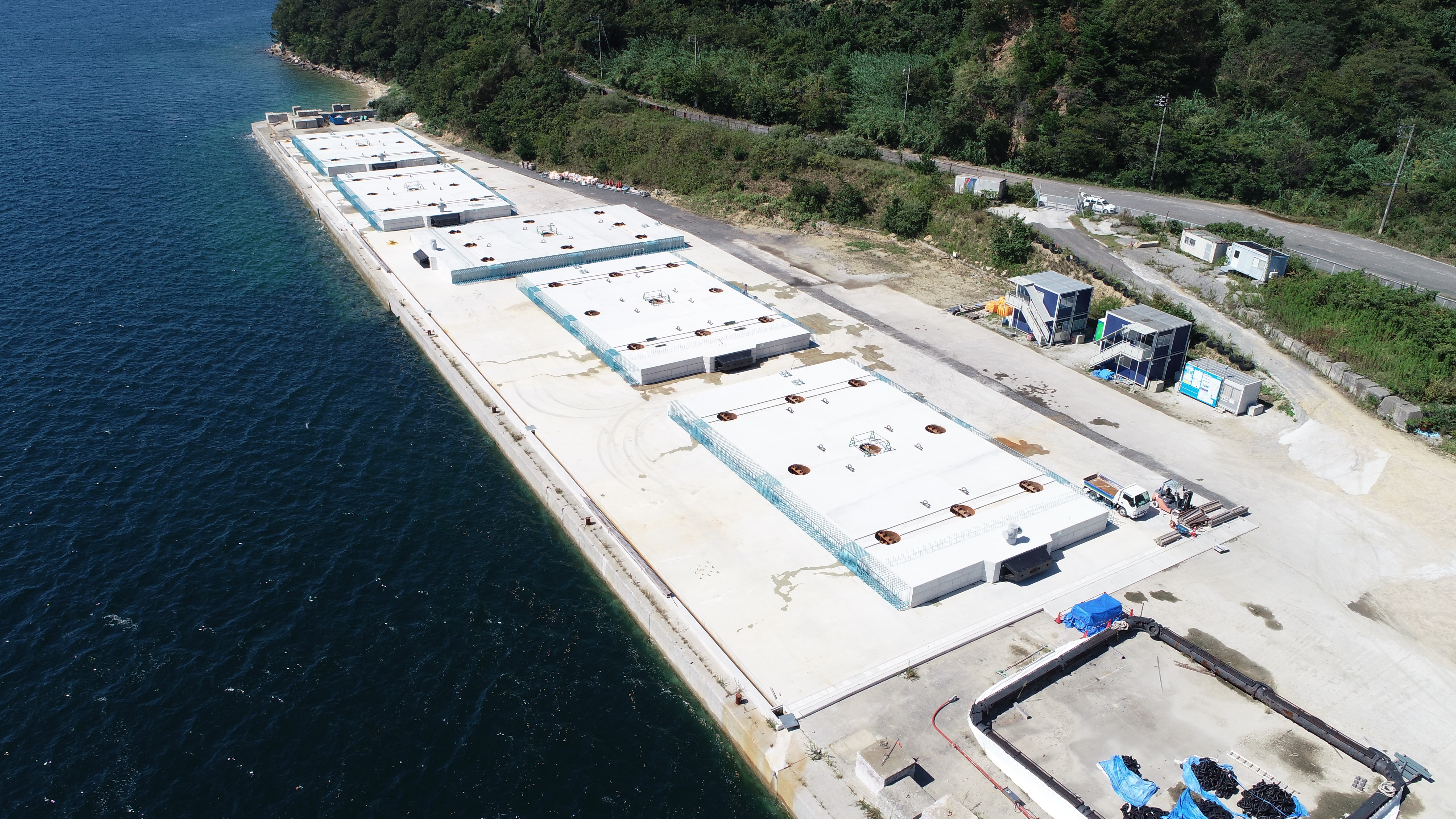
The Sengozawa Dam Redevelopment Project involves converting an irrigation-only dam into a multipurpose dam by utilizing its unused capacity and adding new flood control functions. To minimize terrain alteration, increase the dam’s insufficient discharge capacity, and eliminate the need for gates, a labyrinth-type spillway was adopted to maximize the length of the overflow crest. The design—featuring a large-scale labyrinth weir with a radial configuration and an orifice at its tip—is uniquely innovative, even on a global scale. For the complex structural construction, we utilized 3D-printed models and 4D-CIM to ensure quality while strictly adhering to the construction schedule, thereby achieving a zero-accident record throughout the entire project.
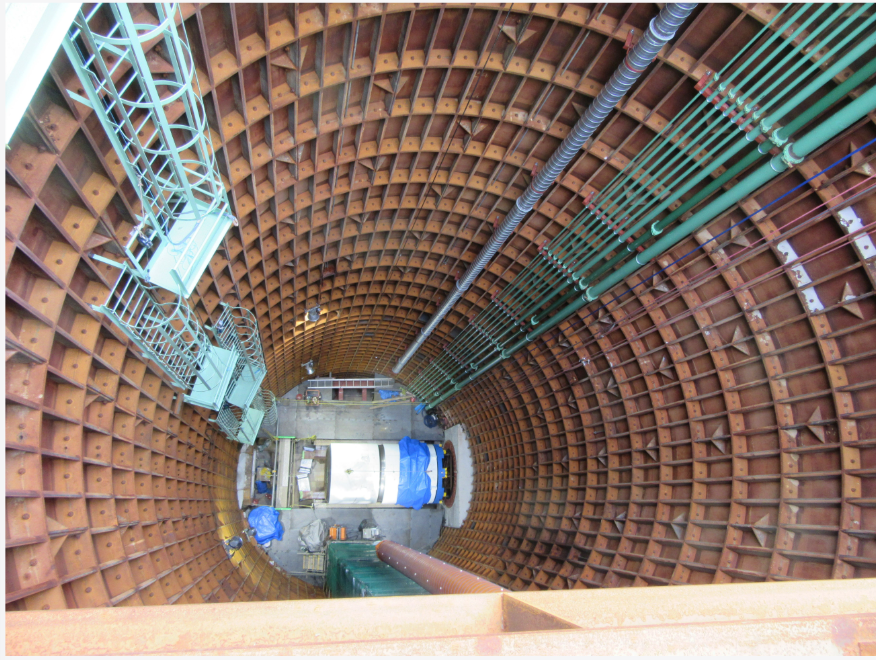
4. Challenge to the World’s Greatest Depth Using the Pneumatic Caisson Method – The Kamioyamada Emergency Exit of the Linear Chuo Shinkansen

- Central Japan Railway Company Japan Railway Construction
- Transport and Technology Agency
- Toda Corporation
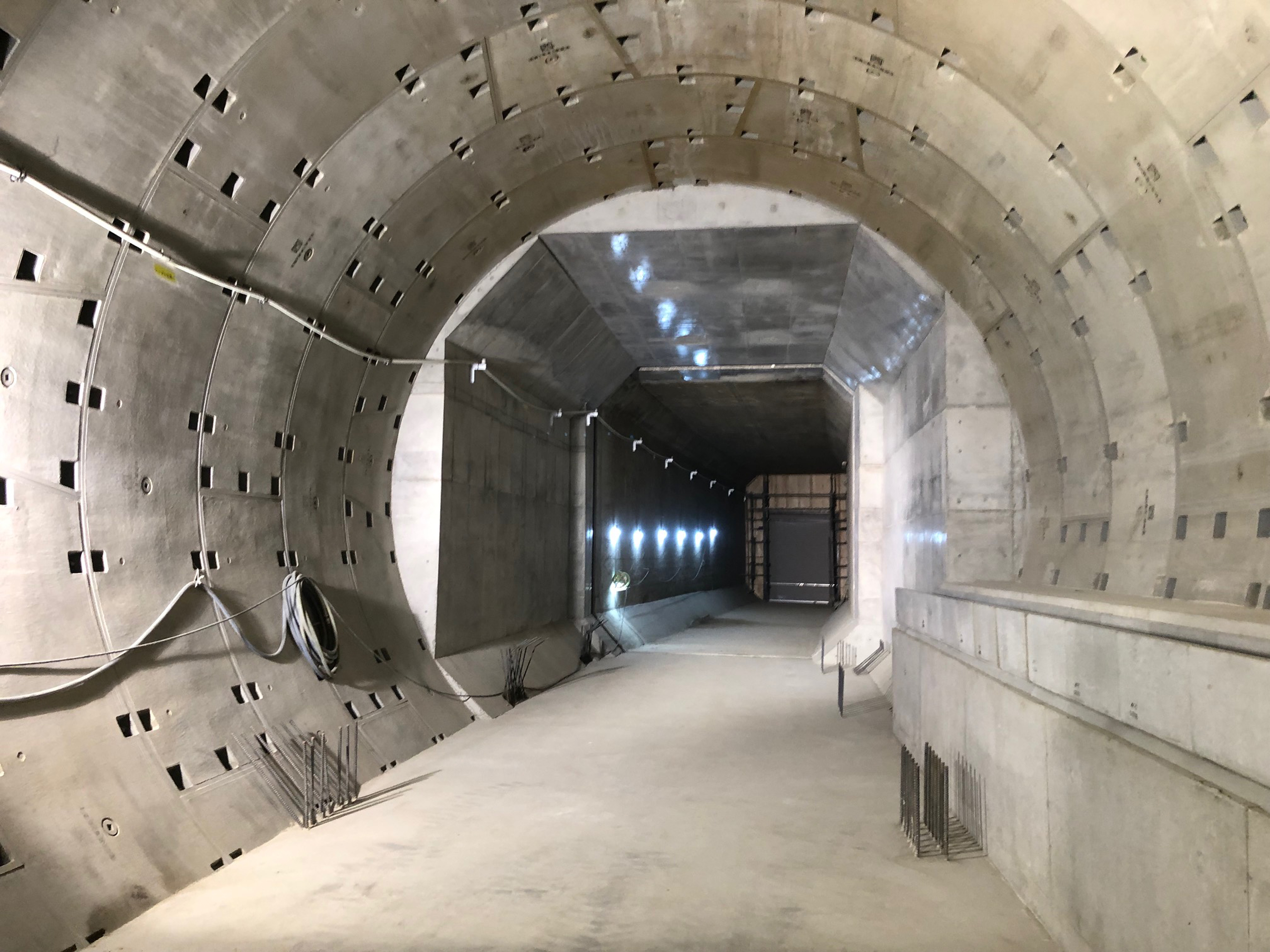
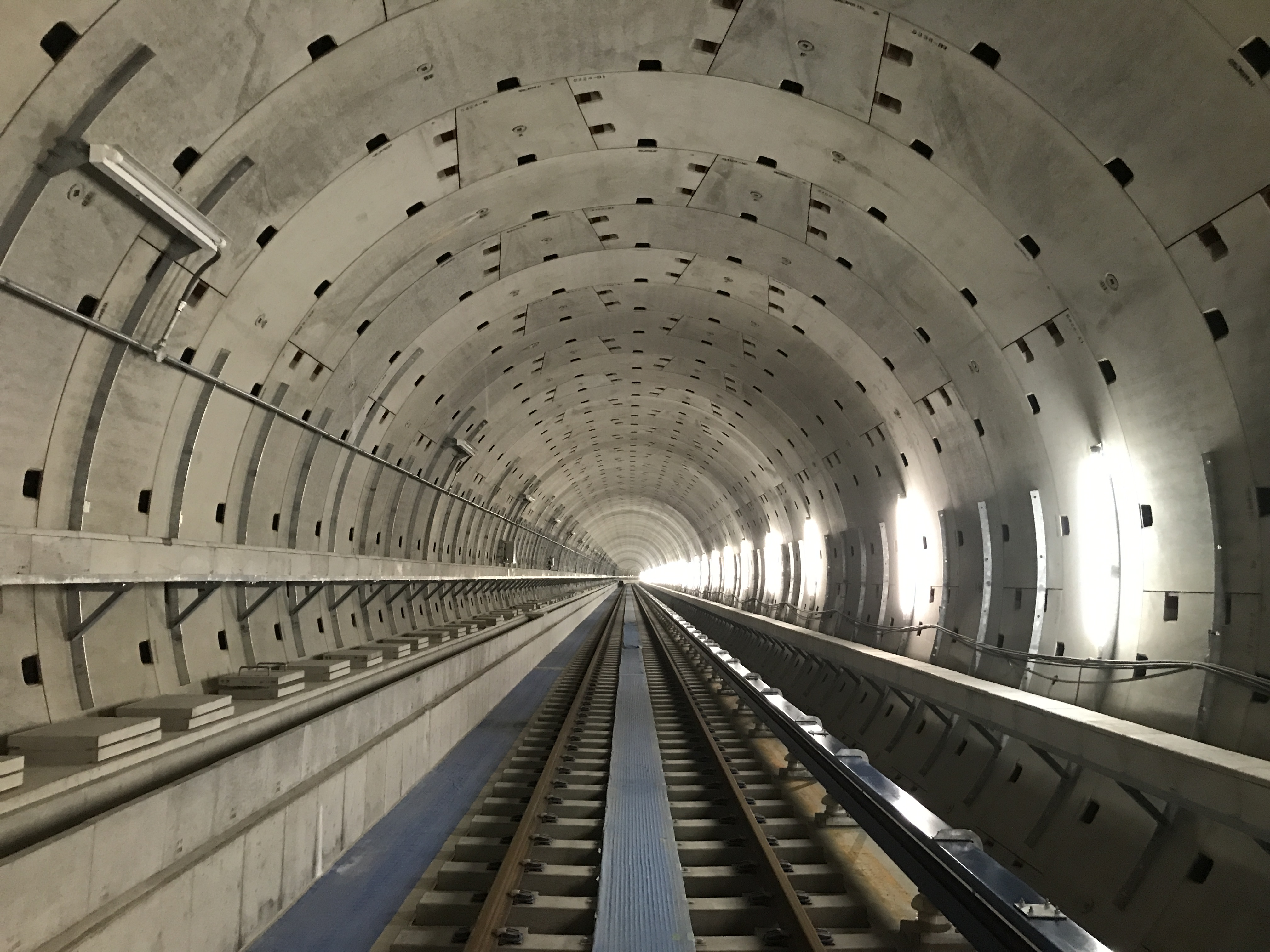
This project constructed a deep and large-diameter shaft for the Chuo Shinkansen Kami-Oyamada Emergency Exit in Tokyo, serving as a tunnel launch base during construction and as ventilation and evacuation facilities in operation. Using the pneumatic caisson method, a shaft with a 42m-outer diameter and a 110m-depth, that is the deepest in the world for this method, was successfully built. Key challenges included heterogeneous ground conditions, high water pressure, and strict alignment accuracy. These were overcome through advanced information-based construction with real-time automated monitoring and remote-controlled unmanned excavation. In addition, continuous casting with ultra-delayed concrete significantly improved watertightness. This project demonstrates advanced reliability in Japanese civil engineering and represents a significant innovation in deep underground space utilization.
5. Introduction of DX in the Kawakami Dam Construction Project: Integrated Use of CIM for Design, Construction, and Maintenance
- Incorporated Administrative Agency
- Japan Water Agency
- Obayashi–Sato–Nippon Kokudo Special Construction Joint Venture
- Yachiyo Engineering Co.,Ltd.,
- Nishida Tekko Corp.,
- Hokoku Kogyo Co.,Ltd.,
- TS Corp.
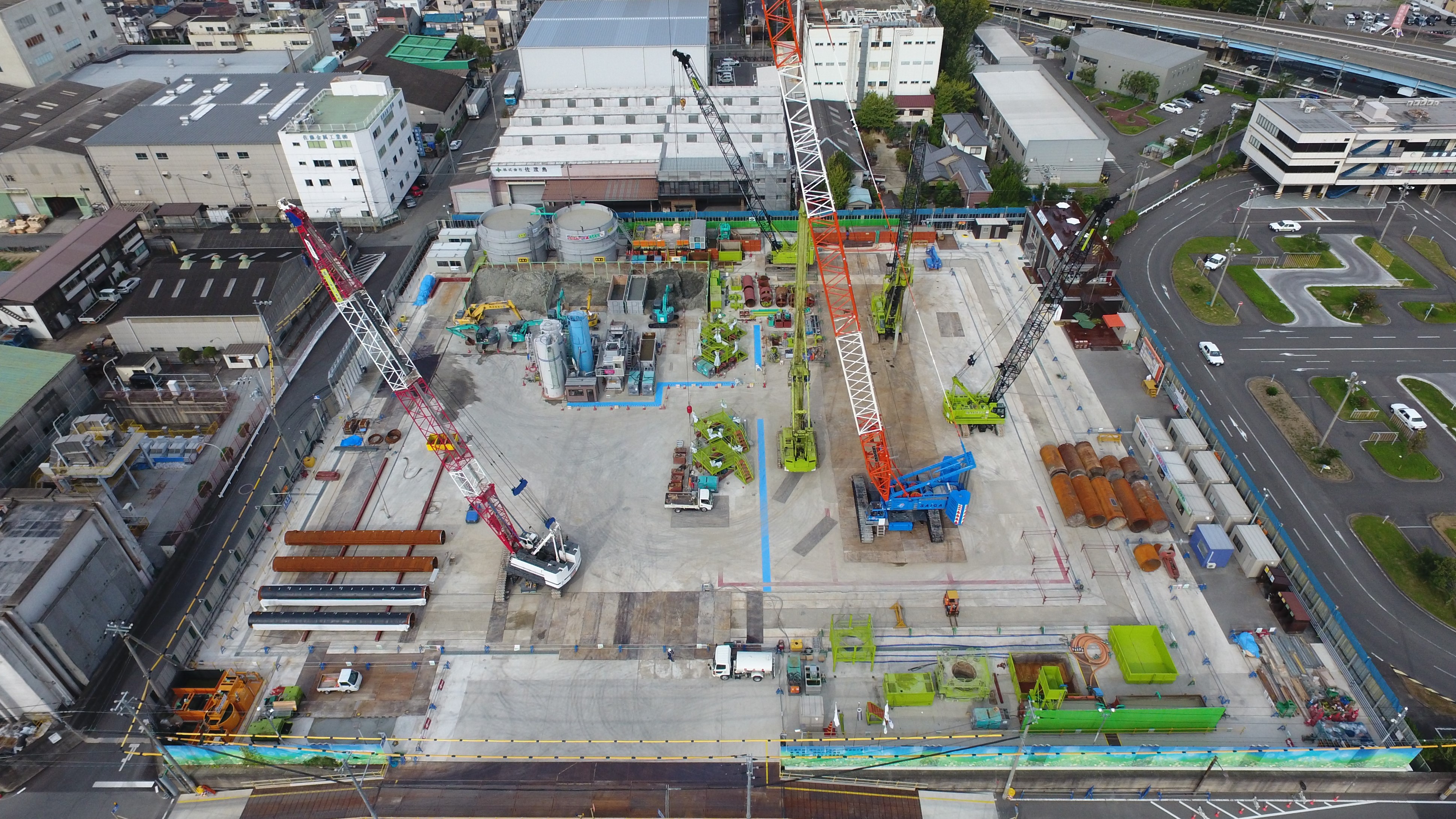
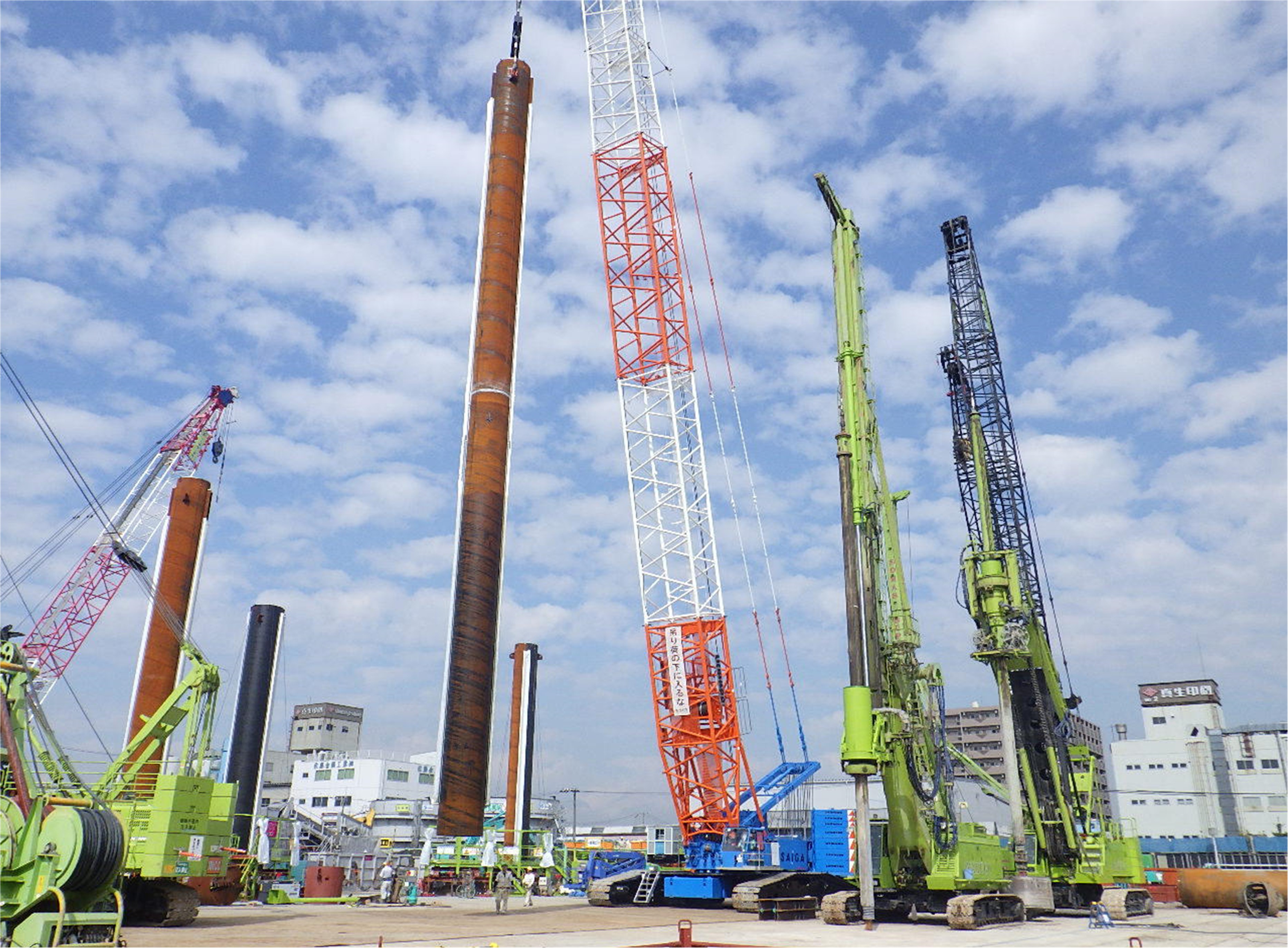
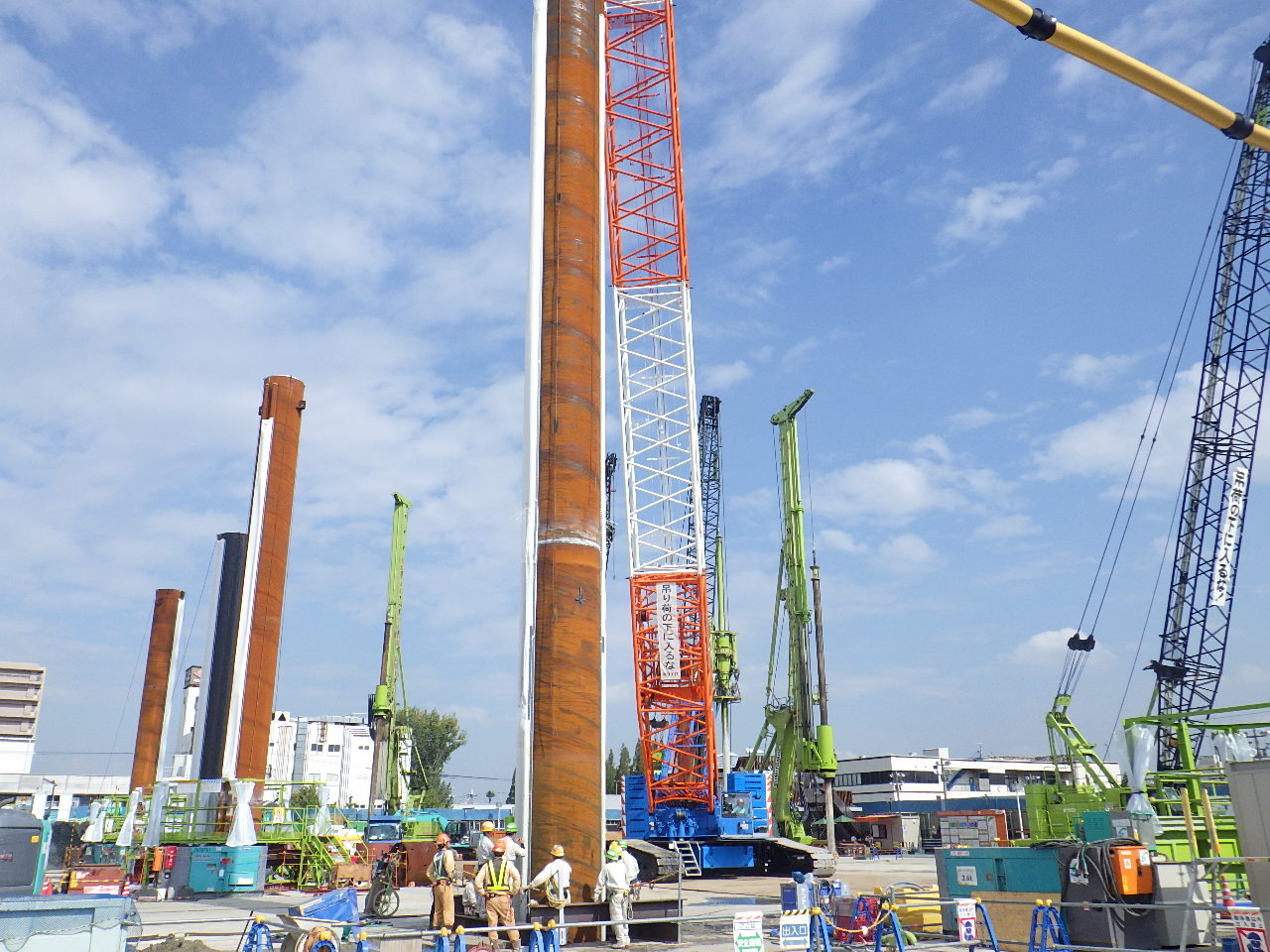
The Kawakami Dam Construction Project introduced Digital Transformation (DX) through the integrated use of CIM (Construction Information Modeling/Management) across the design, construction, and maintenance phases. This approach addressed challenges such as early completion requirements, labor shortages, work-style reform, and long-term safety management. Ahead of national BIM/CIM guidelines, project requirements were shared among all stakeholders from the initial stage. Design data created with multiple CAD systems were integrated under centralized CIM management. A digital twin was used to manage schedule, quality, and safety, together with the first full-scale application of Cyber Physical Systems in a domestic dam project. As a result, the dam was completed safely and on schedule, and project data were smoothly transferred to maintenance operations.
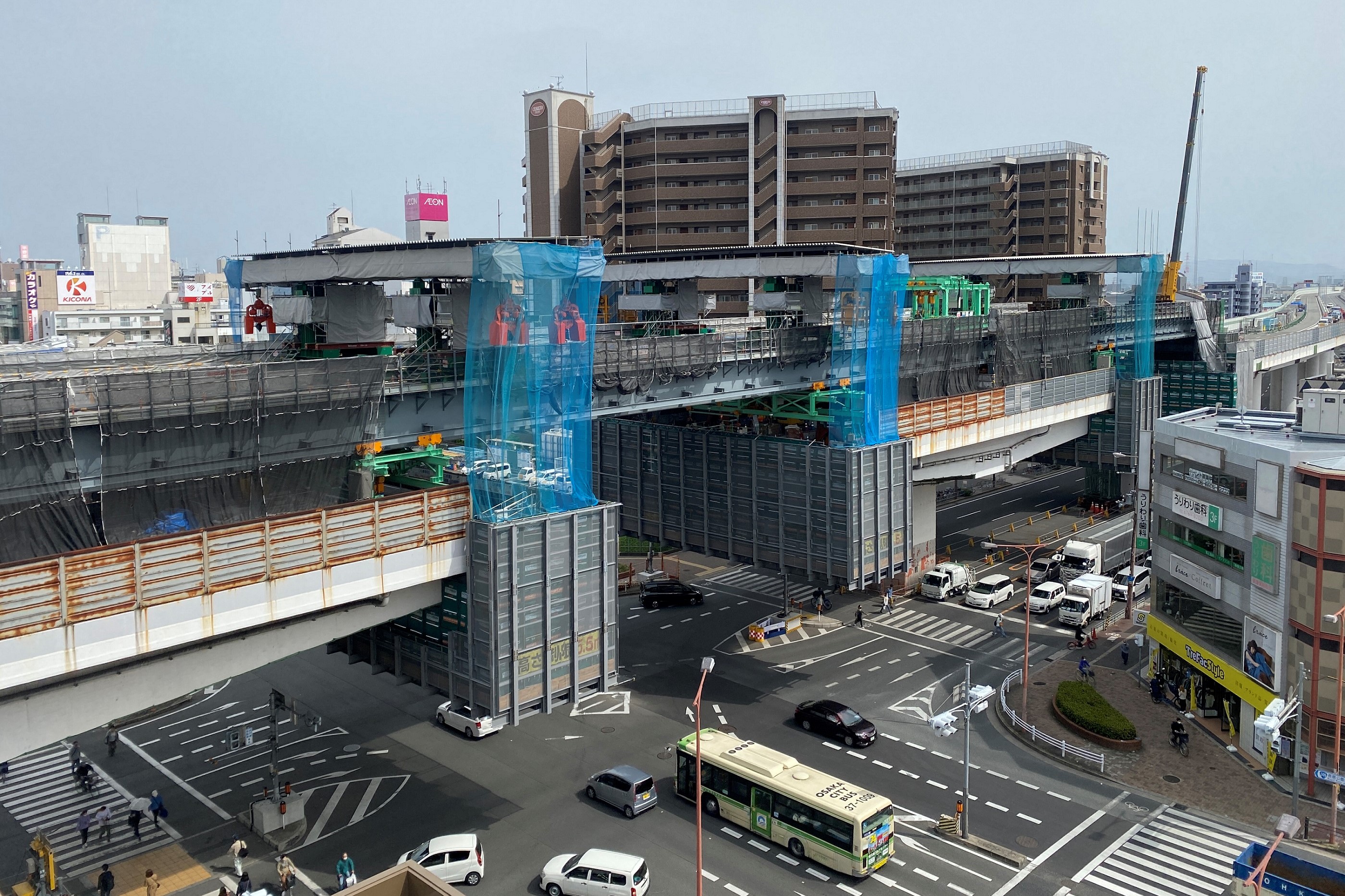
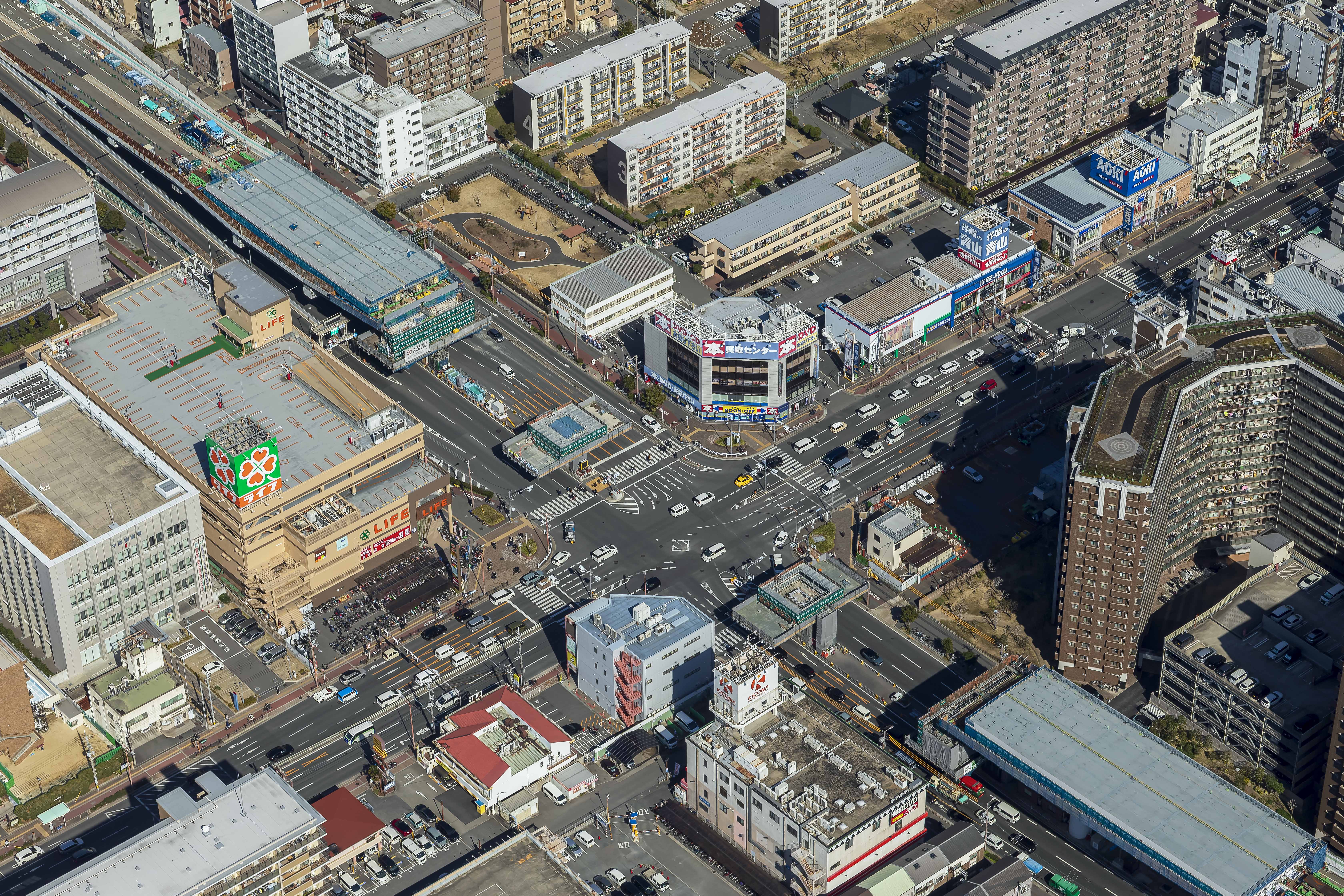
6. PC Box Girder Bridge Removal Technology above a Major Intersection (Over-the-Bridge Removal Method)
- Ministry of Land, Infrastructure, Transport and Tourism, Kinki Regional Development Bureau Yodogawa River Office
- Taisei Corp. Kansai Branch
- CTI Engineering Co.,Ltd. Osaka Head Office
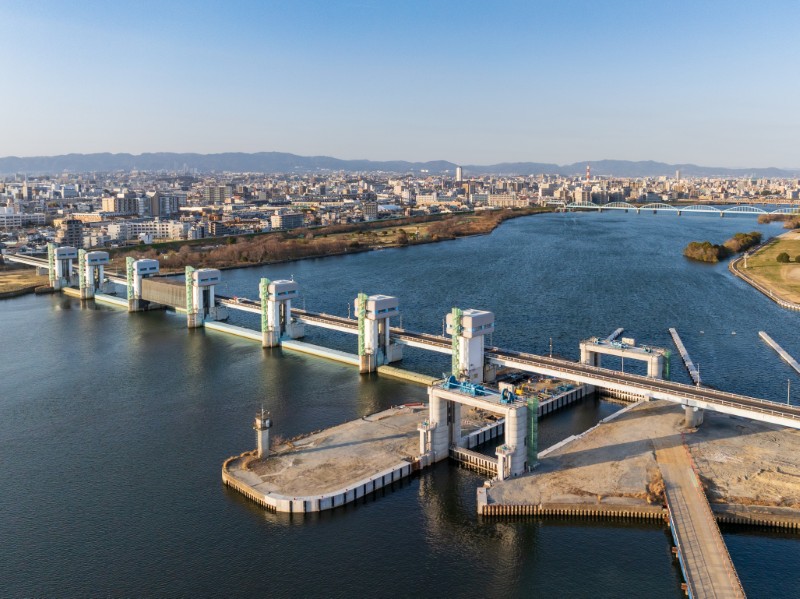
This project involves the construction of a lock gate and lock chamber adjacent to the Yodogawa Ozeki, aiming to restore navigation disrupted by a water level difference of approximately 2 meters. The work was conducted under severe constraints, including a narrow construction area, simultaneous multi-trade operations, and strict schedule management for the Expo 2025. To address these challenges, digital construction methods such as 3D modeling and 4D scheduling were applied to eliminate conflicts and improve planning accuracy. In addition, the extensive use of precast components enhanced productivity, quality, and safety. These integrated approaches established an effective methodology for river structure construction under constrained conditions.
7. Digital transformation of mountain tunnel construction through CT-based automated construction and digital make surveying
- Central Nippon Expressway Co., Ltd., Kanazawa Branch, Takaoka Construction Office
- Shimizu Corp
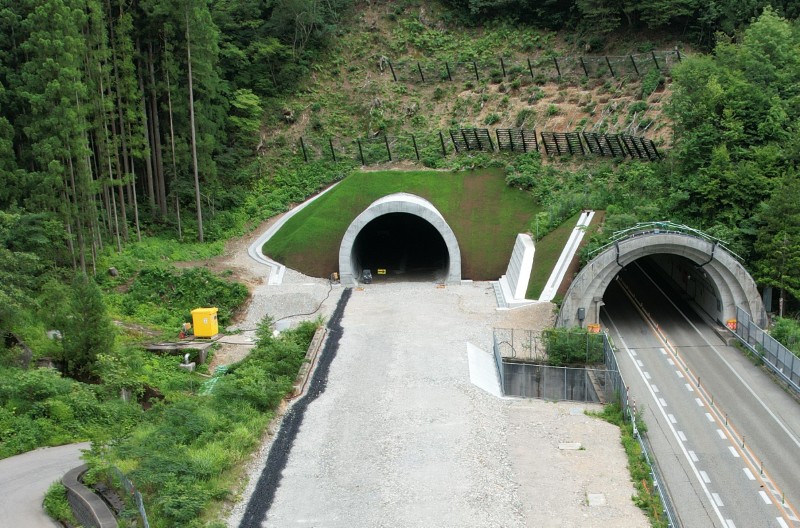
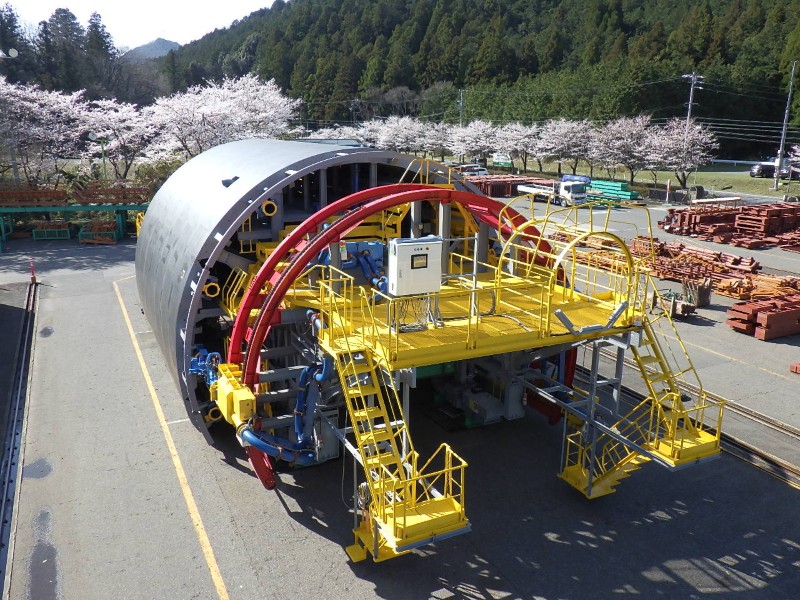
The Maki Tunnel is a 1,578m highway tunnel. Ensuring the safety of the operational Phase I tunnel was the top priority during the construction of Phase II. Therefore, to enhance the stability of the Phase II tunnel, an ICT-based excavation management system for mountain tunnels and digitalization of construction progress management were introduced, and advanced CT-based automated construction was implemented. As a result of these comprehensive efforts, the construction was completed without causing any damage to the existing lining of the operational Phase I tunnel.
8. Deck Slab Replacement Technology for Mitigating Large-Scale Traffic Congestion— A New Replacement System Enabling Planned Traffic Reopening
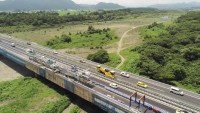
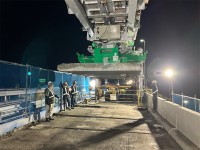
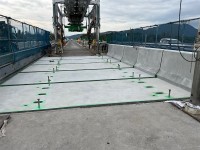
- East Nippon Expressway Company Limited Kanto Regional Office Utsunomiya Management Office TAISEI Corporation
- Taisei Corp.
The aging of expressway infrastructure has necessitated rapid and safe replacement of deteriorated bridge deck slabs, particularly on elevated structures. In recent years, deck replacement works have been increasing increasingly been conducted in heavily trafficked sections, and it is a critical challenge to ensure smooth traffic flow during construction. Because conventional full-width replacement methods require extensive traffic restrictions and significantly affect traffic operations, a strong demand for construction methods that allow partial traffic
9. Application of Japan’s First Cooperative Automated Driving Technology for Excavation and Related Technologies to Large-Scale Pneumatic Caisson Construction - Distribution Reservoir Construction Project at the Oji Water Supply Station (Provisional Name)
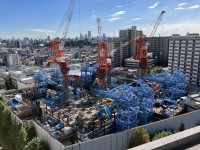
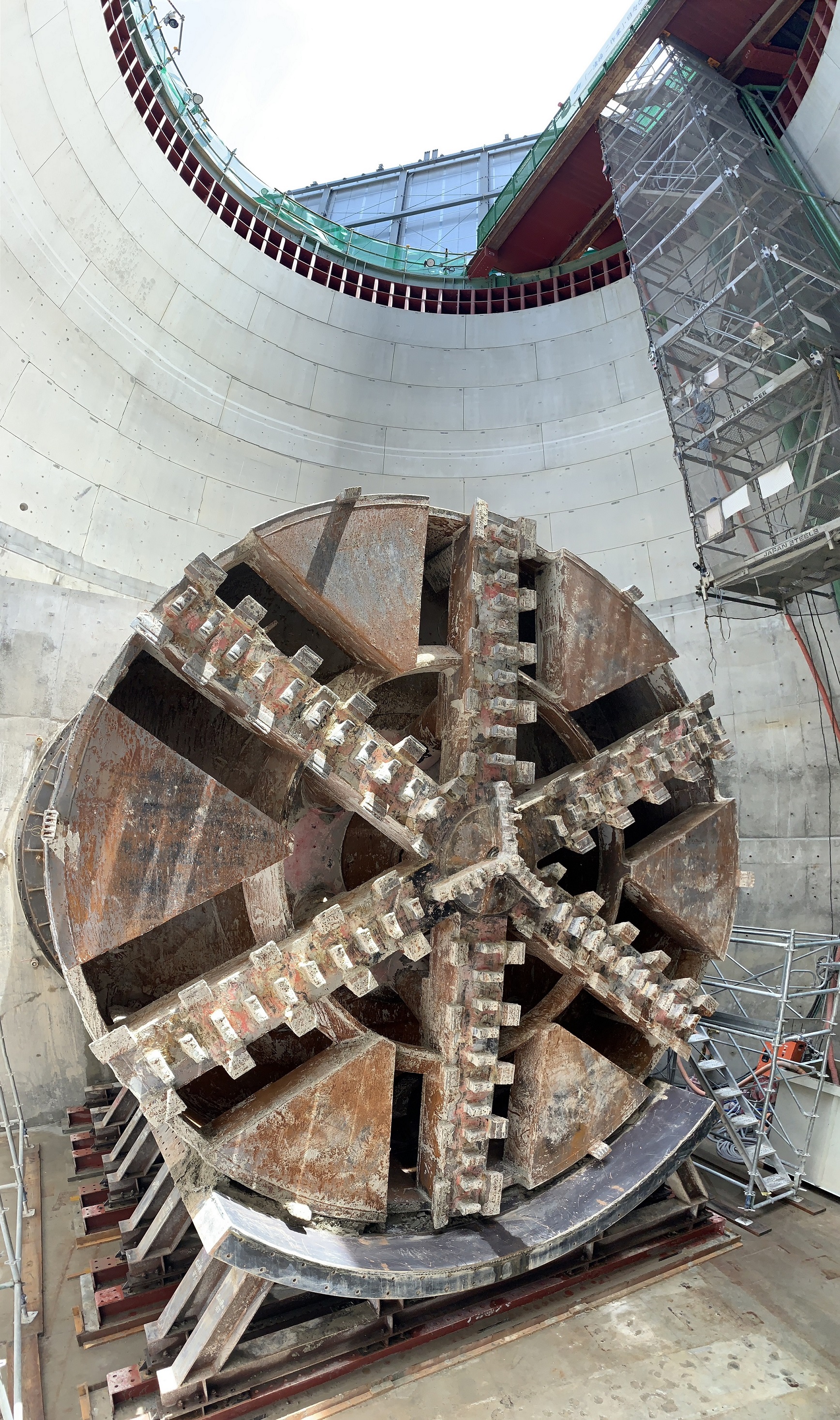

The Oji Water Supply Station (Provisional Name) Reservoir Construction Project built a 50,000 m3 distribution reservoir using one of Japan’s largest pneumatic caisson applications. Its principal achievement was Japan’s first full-scale implementation of cooperative autonomous operation of multiple excavators in a large pneumatic caisson, enabled by LiDAR for real-time 3D modeling, digital twin technology, and AI-based robotic technology. This innovation avoided collisions among adjacent excavators, improved safety and construction reliability, minimized personnel entry into the working chamber, reduced worker burden, and helped address skilled labor shortages. Laser-based soil-volume measurement, cloud data sharing, and IC-tag monitoring of workers’ stay times also enhanced construction, safety, and health management
10. Dam Construction Work (Naruse Dam embankment construction) that Has Dramatically Improved On-site Productivity Through the Utilization of the Latest Information-based Construction Technologies
- Ministry of Land, Infrastructure, Transport and Tourism Tohoku Regional Development Bureau Naruse Dam Construction Office
- Kajima, Maeda, and Takenaka Civil Engineering Joint Venture
- Naruse Dam Embankment Construction Office
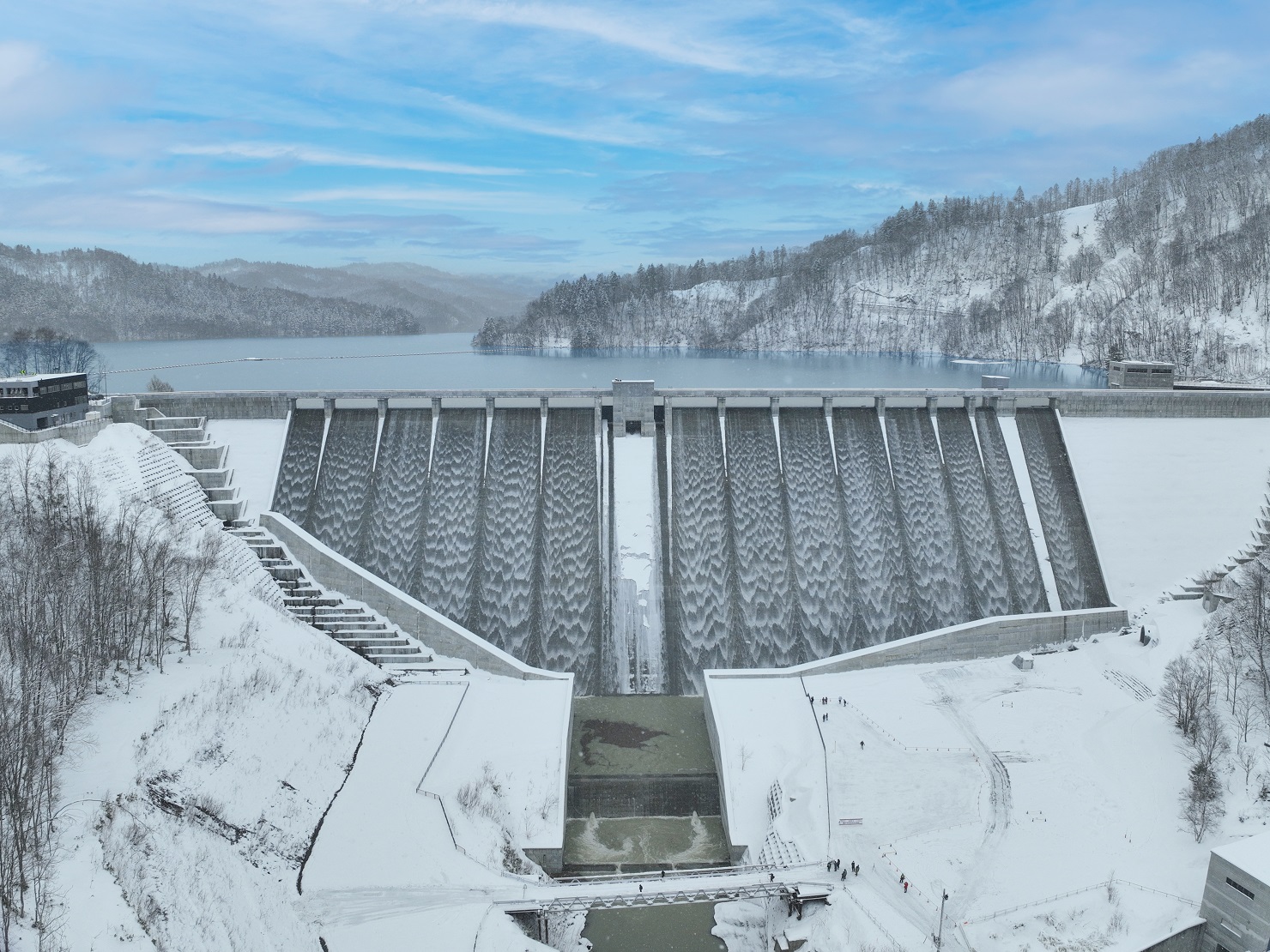
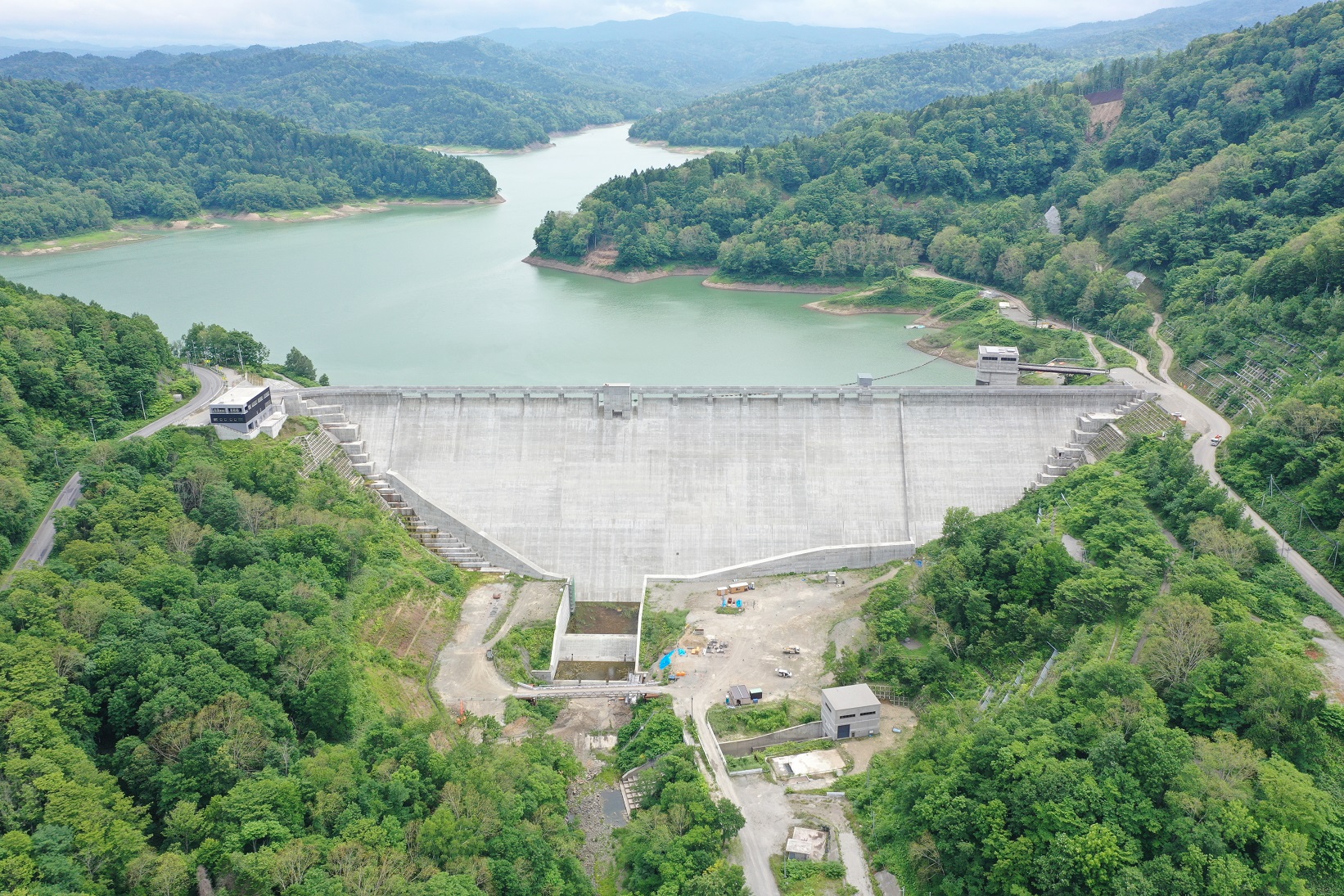
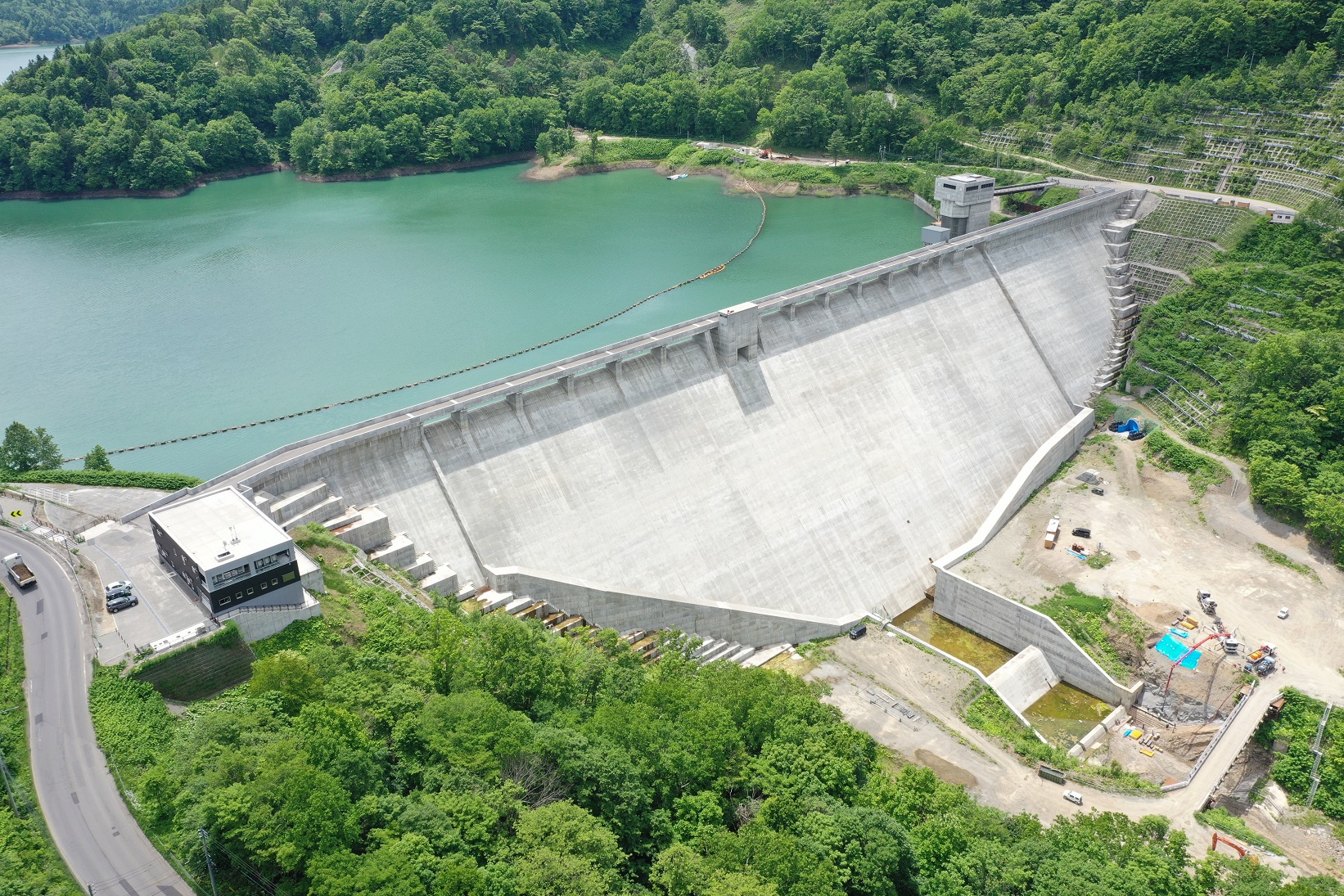
Naruse Dam, on Naruse River, Higashinaruse Village, Akita Prefecture, currently under construction, faces challenging conditions as the site is located in one of the snowiest regions in Tohoku, limiting the dam body construction period to approximately seven months per year. To achieve early completion, the "A⁴CSEL®" (Quad Axel) system, featuring advanced information-driven construction technologies and automated machinery operation, has been was introduced. By combining automated sliding lifters for fixed formworks and fully automated sliding.
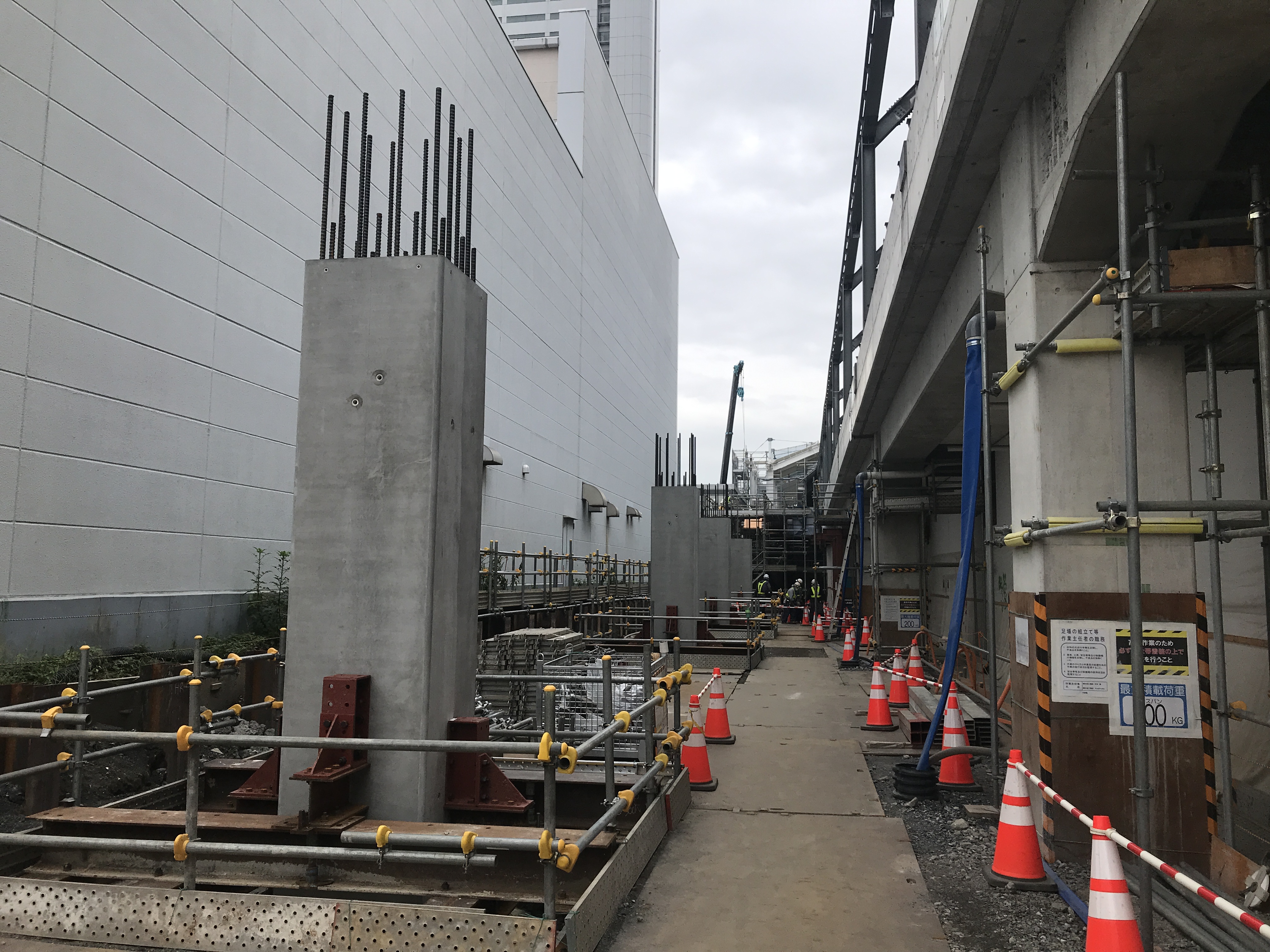
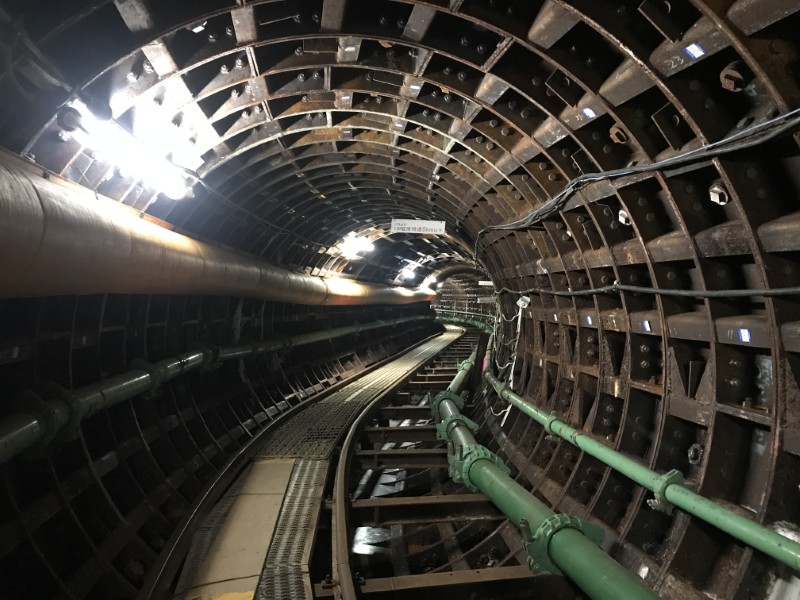
11. Construction of a Deep, Extremely Sharp Curves Shield Tunnel Passing Directly Beneath an Underground Mall and Application of Automation Technologies(Musashi-Kosugi Station Yokosuka Line 2 side-platforms for 2 tracks)
- Obayashi Corp.
- MIYAMOTOGUMI Co., Ltd.
- HIGASHITANAKA Co., Ltd.
- Marusan Kougyou Co., Ltd.
The project built is highly evaluated for successfully constructing a deep stormwater storage tunnel with extremely sharp curves directly beneath an underground shopping mall in the center of Fukuoka City, one of the most challenging urban environments. By applying a fully automated shield tunneling system under the condition of a minimum curve radius of 15 meters, that was as close as to the limit of shield tunneling machine performance, the project achieved stable alignment control, high construction accuracy, and significant labor savings. In addition, integrated structural verification, advanced numerical analysis, and innovative construction methods effectively minimized impacts on existing structures. These achievements enhanced urban flood resilience and made a contribution demonstrated a highly reproducible and practical contribution to the advancement of civil engineering.
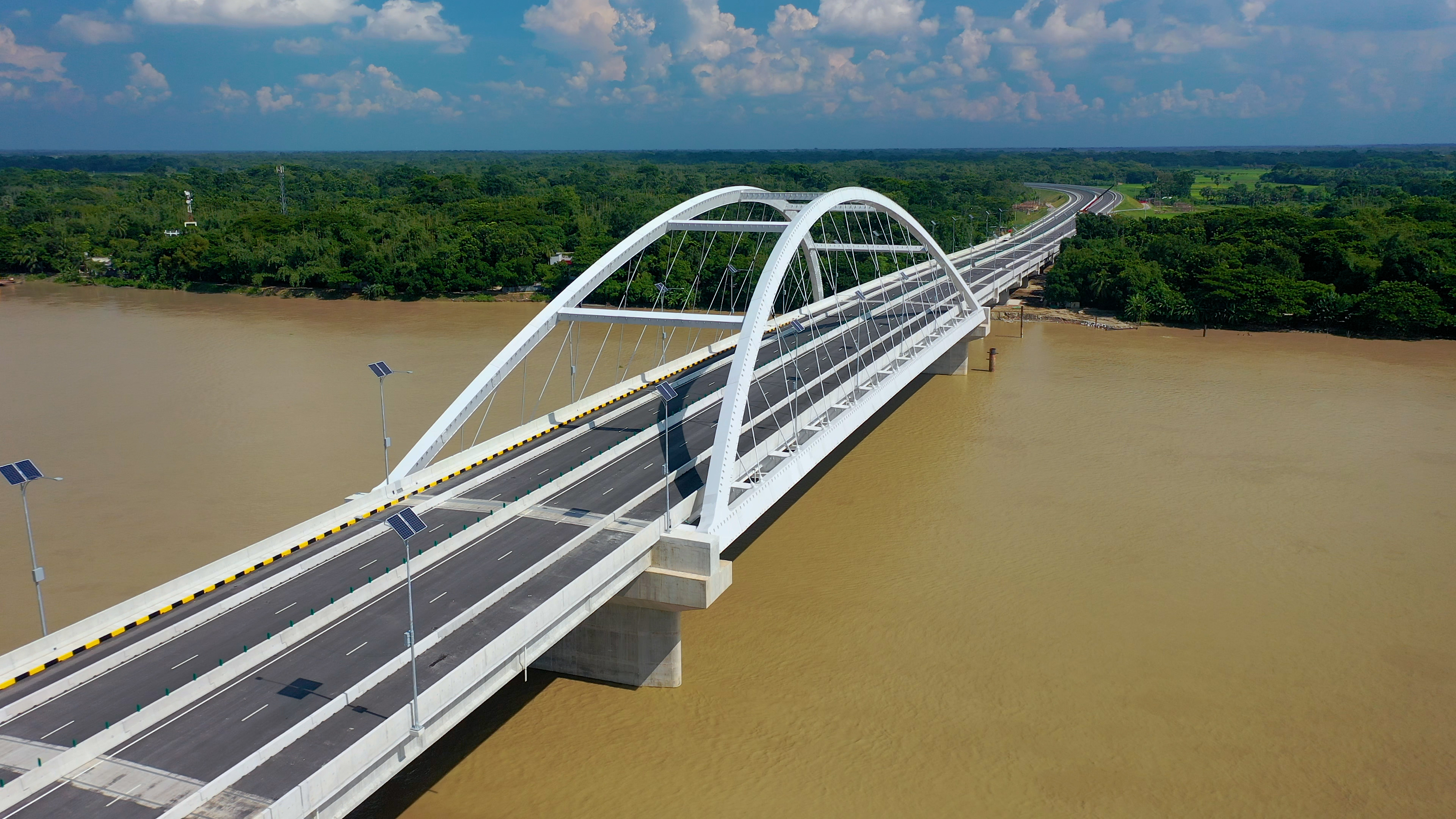
12. Design and Construction Management of Railway Overpasses with Varying Cross-Sections in Narrow Spaces ~Risk Management for Challenging Conditions~
- East Japan Railway Company, Tokyo Project Management Office
- Shimizu Corporation
The expansion of the south concourse at JR Hamamatsucho Station added a 79.3-meter steel bridge to handle increased passengers. The design created a seamless floor connection and adapted to different clearance heights over the railway tracks. The project faced severe constraints: narrow spaces under the monorail and a strict 115-minute time limit for connection works over the Tokaido Shinkansen. To overcome these challenges, the project team used 3D modeling and mock-up tests for safe installation. They also applied strict risk management for short-time connection works. This outstanding design and construction management under challenging conditions was recognized as a model for similar infrastructure projects.
13. Environmentally Friendly Aerial Bridge Replacement Method - Shintedorigawa Bridge (Superstructure) Project
- JFE Engineering Corp., PS Construction Co., Ltd Joint Venture
- Central Nippon Expressway Co., Ltd
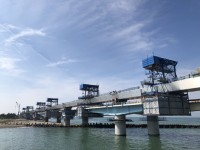
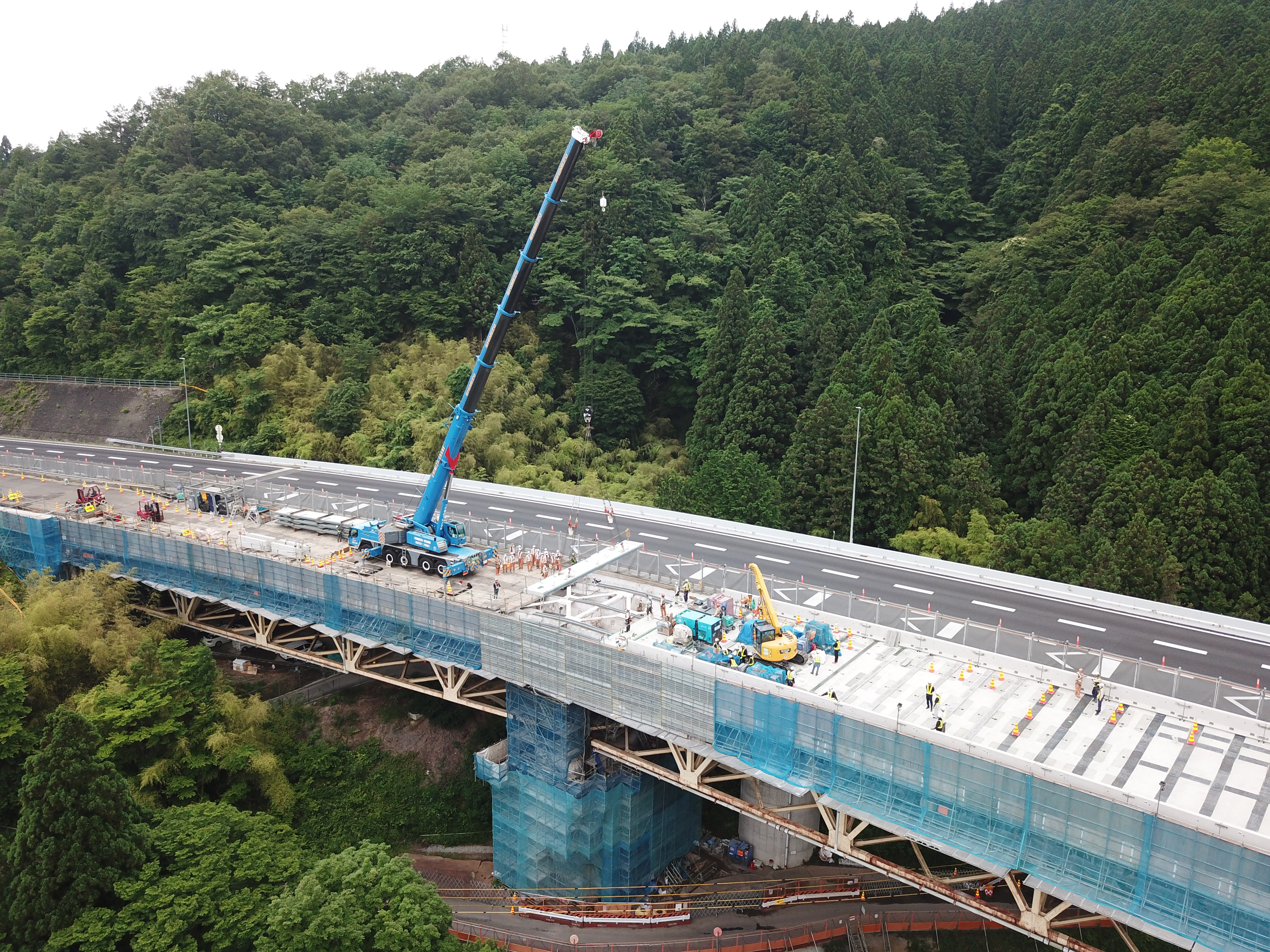
The Tedorigawa Bridge in Hakusan City, Ishikawa Prefecture, spans a Class 1 river. After over 50 years in saline conditions, severe salt damage necessitated replacement. Endangered species habitats near the bridge prohibited underride work for environmental protection, while this major arterial route prevented road closures. An aerial replacement method was developed: new girders were erected above existing ones as construction platforms. For removal, cantilever sections were dismantled using the "Removal Frame" replacing cranes, while falsework sections were suspended from new girders. These two innovative methods enabled bridge replacement while minimizing environmental impact and avoiding road closures. This achievement was recognized with a technology award for providing solutions to large-scale renewal projects facing severe construction constraints.
14. Excavation of Large Rock Underground Caverns Using Advanced Design, Numerical Analysis, and Monitoring Technologies (Hyper-Kamiokande Cavern Excavation Project)
- The University of Tokyo
- TEPSCO Co., Ltd., Kajima Corp.
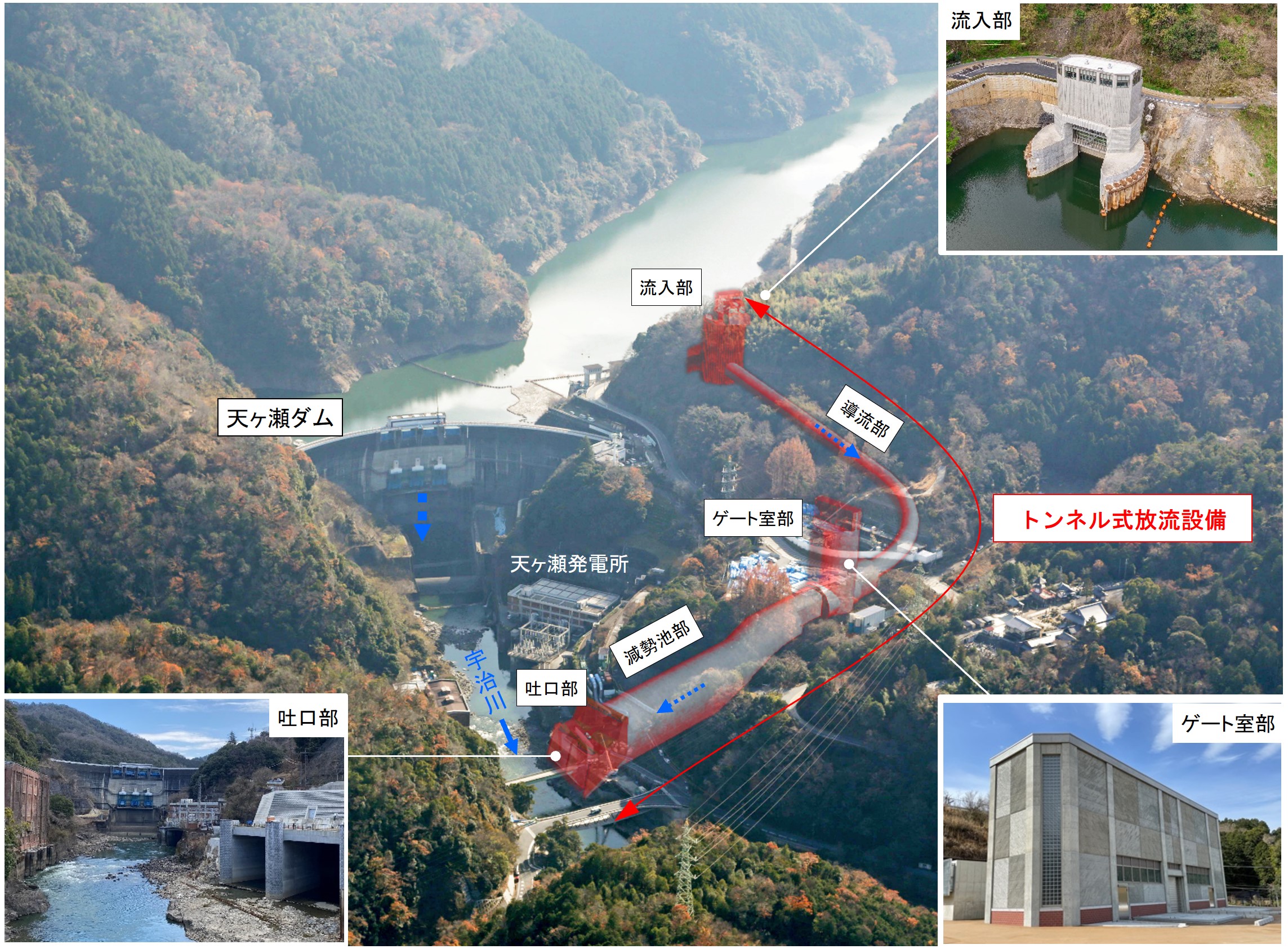
Hyper-Kamiokande is an international research project that seeks major advances in neutrino and nucleon decay research. In July 2025, excavation of one of the world’s largest underground caverns, 69 m in diameter and 94 m in height, was completed. The cavern adopts a cylindrical three-dimensional geometry, distinctly different from conventional underground power plant caverns. Under geological conditions with multiple discontinuities and high, anisotropic in situ stresses, stability assessment was a key challenge. Throughout design and excavation, three-dimensional elasto plastic sequential excavation analysis was applied, realizing an information-oriented design reflected in support systems. Furthermore, cutting edge measurement technologies, —including computer jumbos, 3D scanners, and fiber optic rock displacement sensors, —enabled dense monitoring and rapid, rational construction decisions, leading to recognition with the JSCE Technical Award.
15. Excavation of Large Rock Underground Caverns Using Advanced Design, Numerical Analysis, and Monitoring Technologies (Hyper-Kamiokande Cavern Excavation Project)
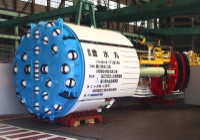
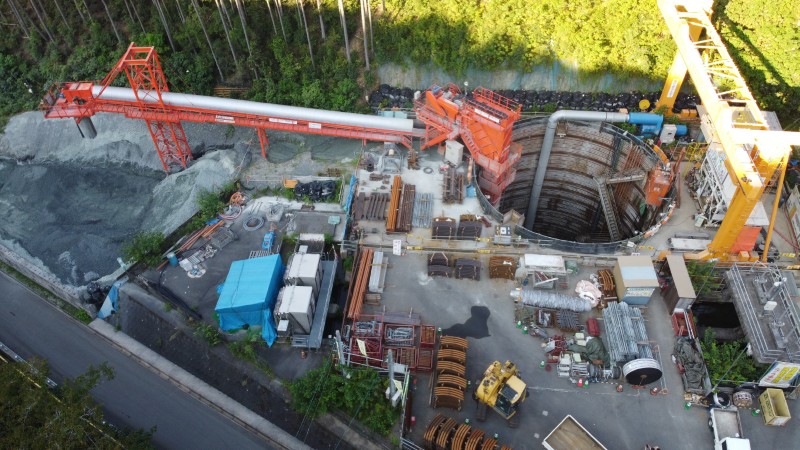
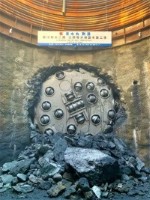
The Toyogawa Canal is a vital lifeline in eastern Aichi Prefecture, supplying water for agricultural and industrial use, including domestic water for approximately 760,000 people. To address the aging of the facility and prepare for major earthquakes, an additional waterway was developed. The Ono headrace attached waterway, with a diameter of 3.4 m and a length of 6 km, was constructed using a modified open-type TBM under challenging geological conditions. By integrating innovative tunneling technologies with geological investigation using the latest DX technologies, we maintained an 80% TBM operating rate and achieved rapid progress of up to 547 m per month without rockfall accidents. This project has made a significant contribution to strengthening lifelines and enhancing disaster resilience, and also to expanding the application of TBM under various geological conditions within the country.
[Group-2]
1. Tokuyama-Kudamatsu Port International Logistics Terminal Development Project (Kudamatsu Area: Construction of Japan's deepest public pier)
Ube Port and Airport Development Office, Chugoku Regional Development Bureau
Ministry of Land, Infrastructure, Transport and Tourism
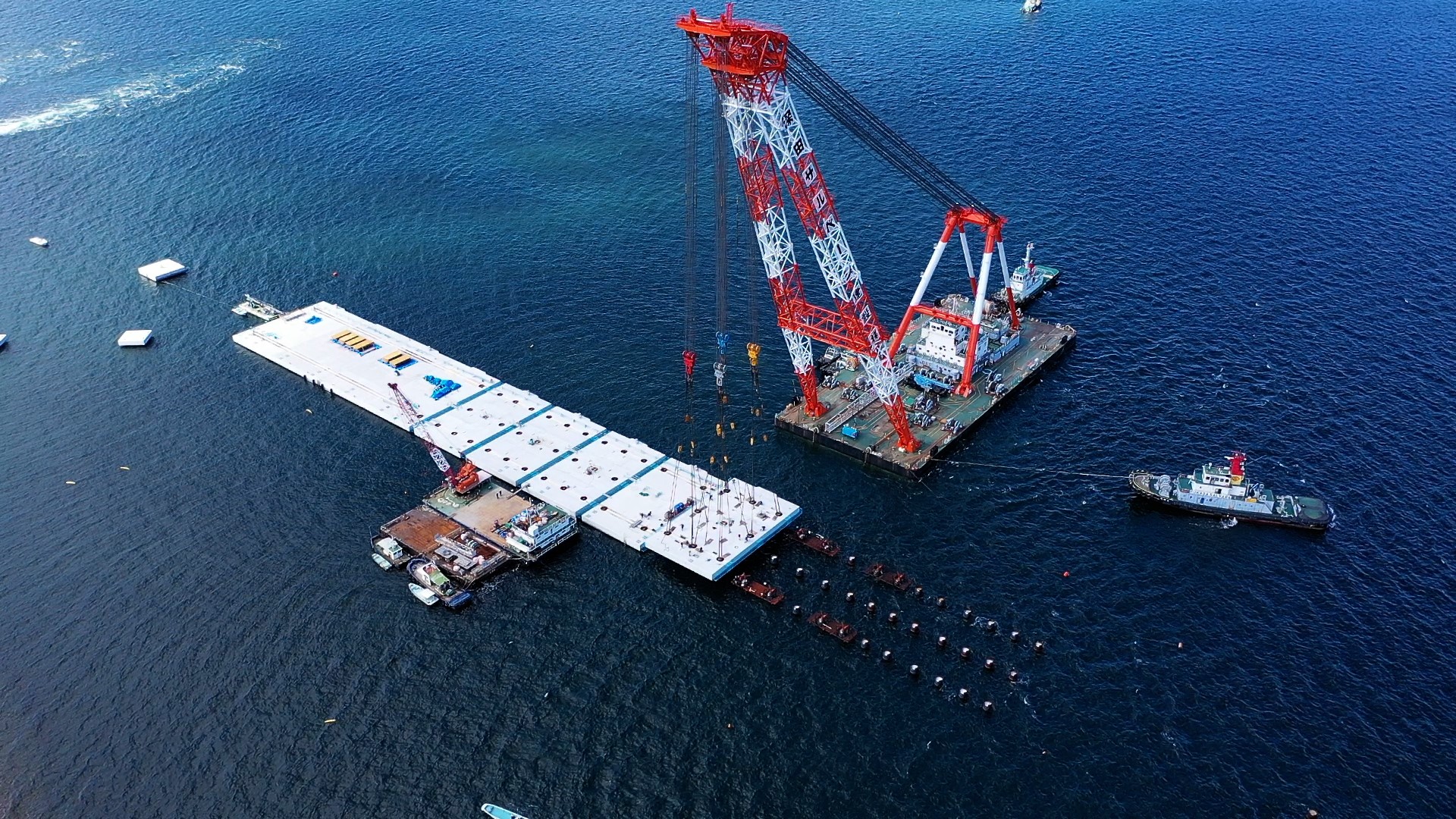
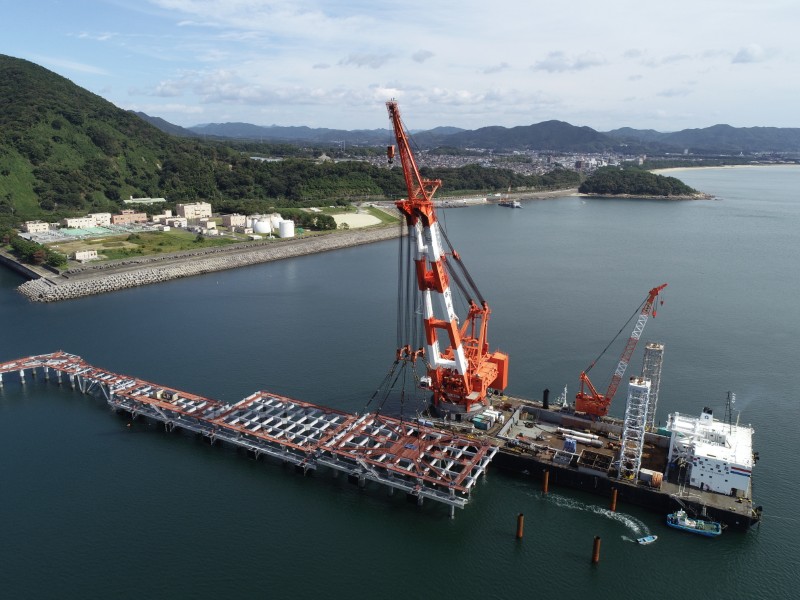
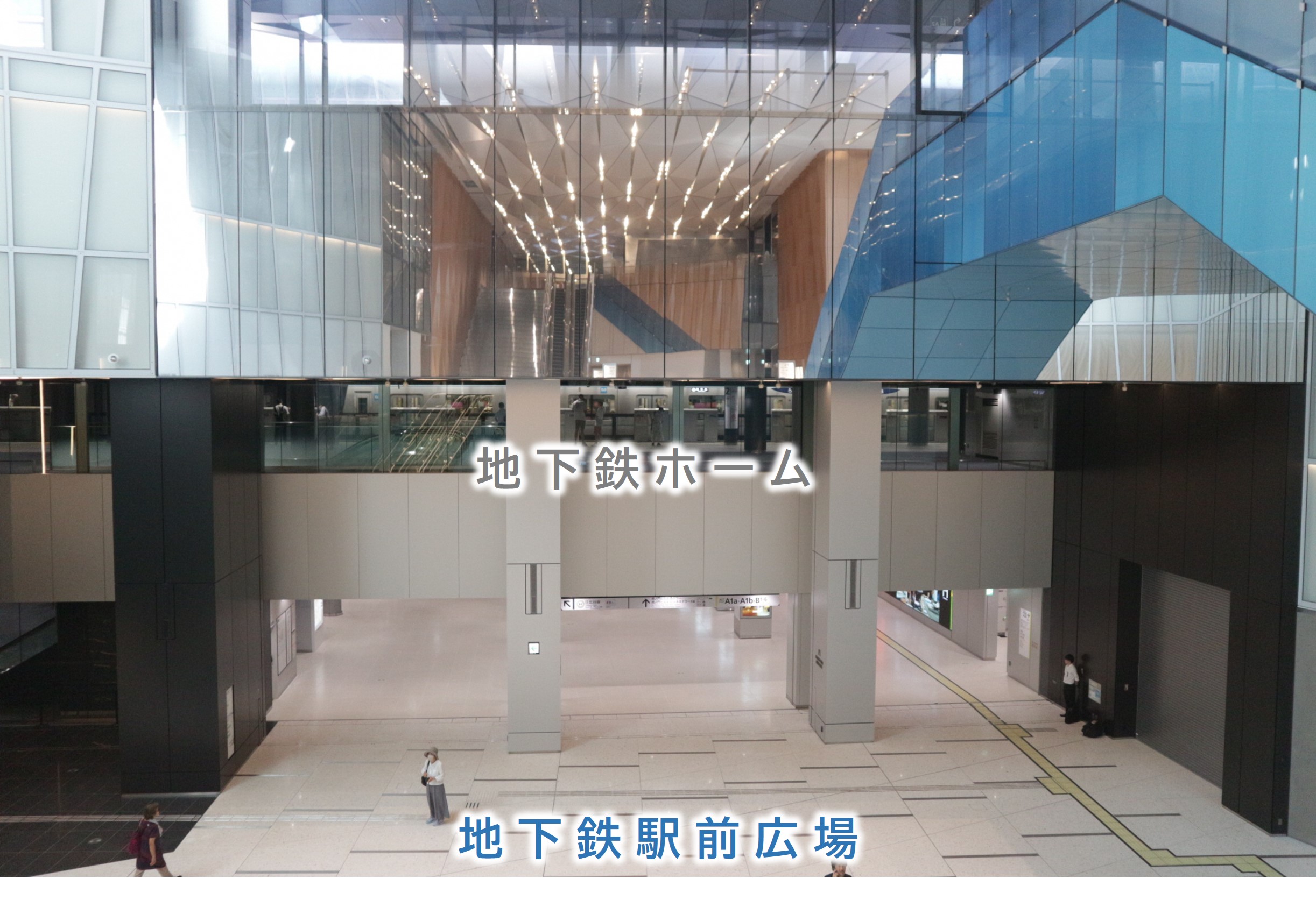
Tokuyama-Kudamatsu Port plays a vital role as an import and export hub for coal consumed as fuel for power generation at power plants and production plants in western Japan and has been designated as an international bulk strategic port (coal). This project involves developing port facilities such as the Kudamatsu pier (-19m) to accommodate the progress of joint transportation utilizing large coal carriers through inter-company collaboration. The structure of this pier is designed for a cargo handling system where coal is unloaded by an unloader and transported to the coal storage area by a belt conveyor, eliminating the need for land reclamation behind the pier. Furthermore, the jacket-type pier was adopted because it allows for the construction of foundation piles and other elements to be carried out on-site in parallel with the factory construction of the pier body, thus shortening the construction period. The pier construction site is located in a deep-sea area 15 to 26 meters below the surface, and the supporting layer is located around 50 to 70 meters below the seabed, presenting challenging ground conditions. Despite these conditions, the difficult construction work, including the driving of steel pipe piles (straight and inclined piles) up to 90 meters long and the precise installation of a massive jacket (L50m x B30m x H33m), was completed without incident. The tip of the pier was designed with a dolphin structure to reduce costs, as it is not affected by the energy of ships docking. Furthermore, the adoption of precast construction methods for the Dolphin's superstructure reduced the amount of work done at sea, shortening the construction period and improving working conditions. Thus, this project was recognized as worthy of the Technology Award, as it contributed to the development of port civil engineering technology, improved productivity at construction sites, and enabled the stable and inexpensive transportation of coal, thereby strengthening the competitiveness of companies located in western Japan.
2. Hibiki Wind Energy Co., Ltd.; Electric Power Development Co., Ltd.; Kyuden Mirai Energy Co., Inc.; Penta-Ocean Construction Co., Ltd.; Nippon Steel Engineering Co., Ltd.
- Hibiki Wind Energy Co., Ltd.,
- Electric Power Development Co., Ltd.;
- Kyuden Mirai Energy Co., Inc.
- Penta-Ocean Construction Co., Ltd.
- Nippon Steel Engineering Co., Ltd.
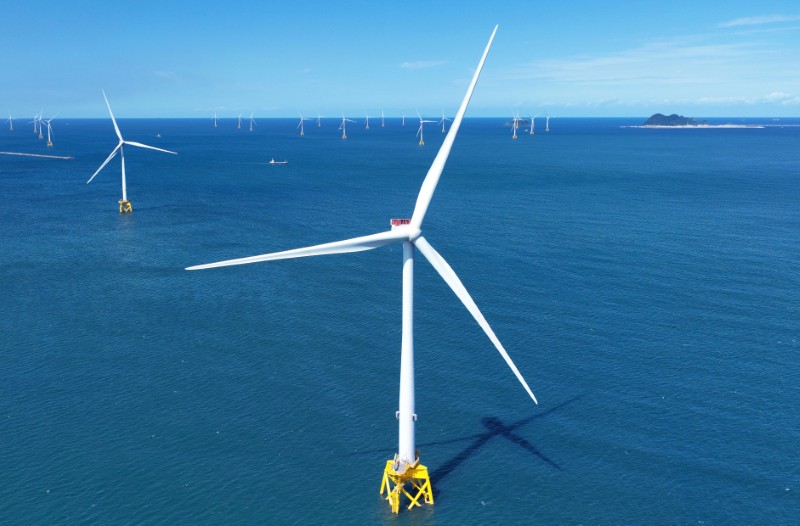
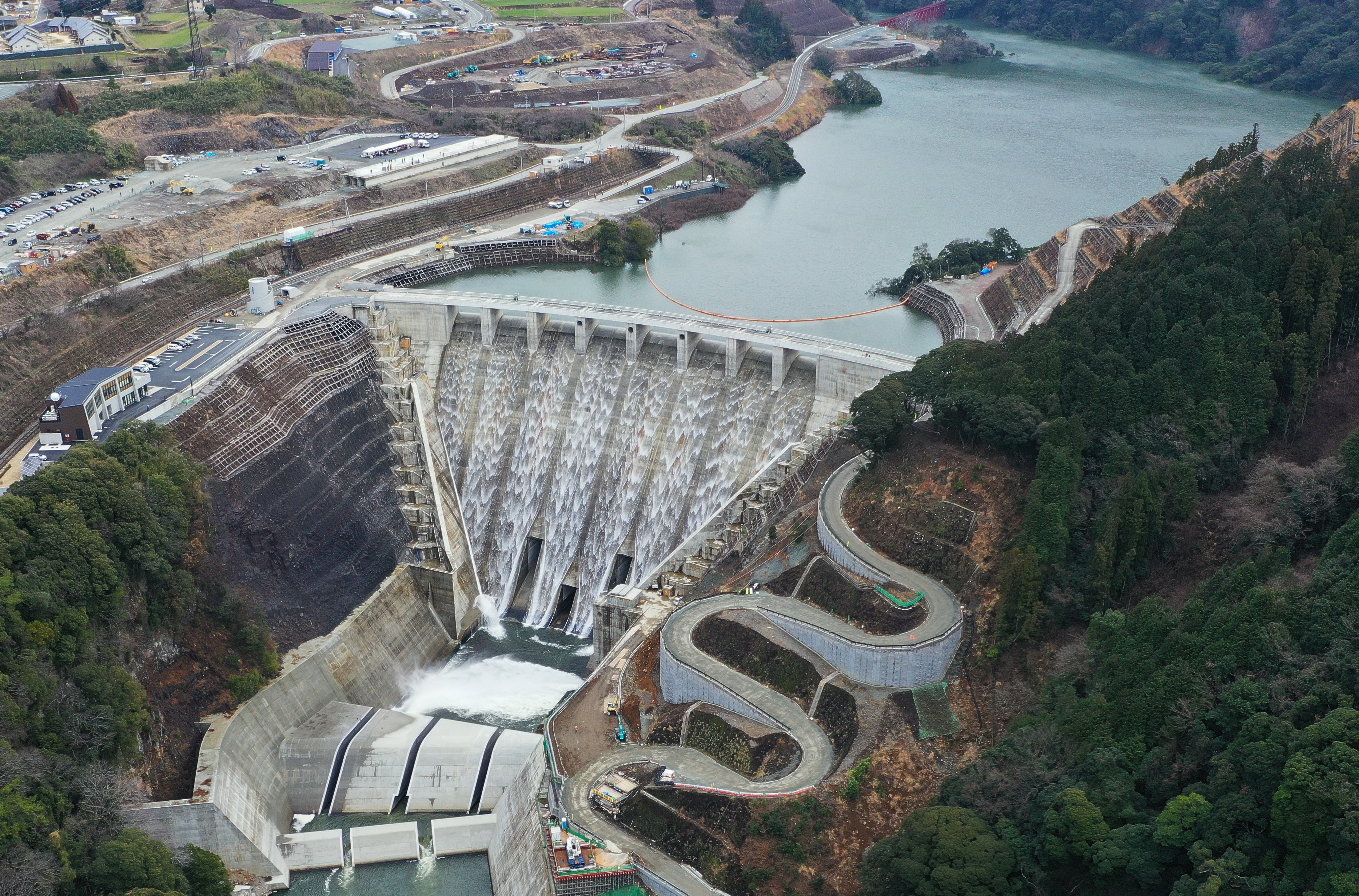
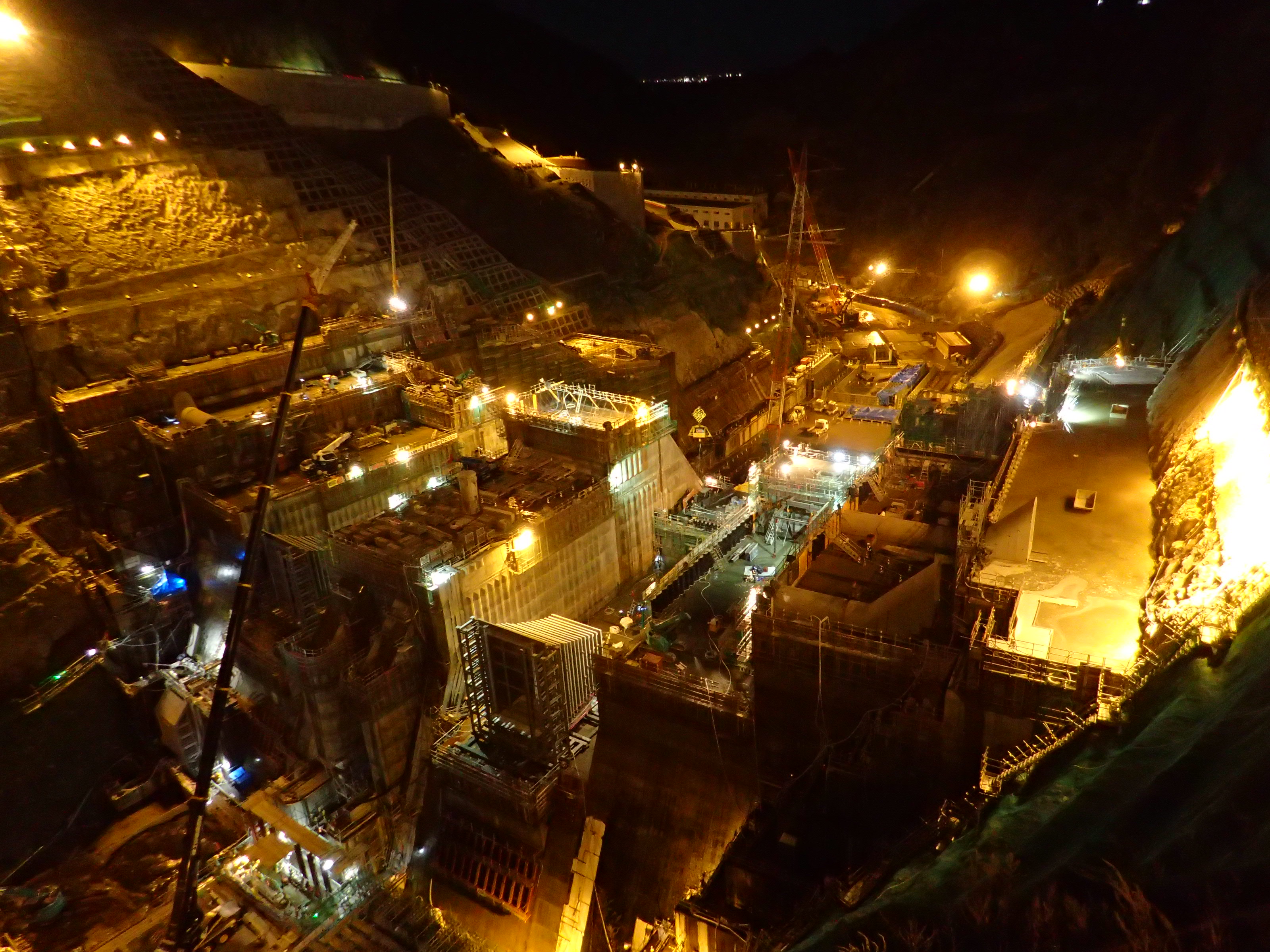
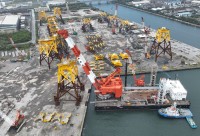
The Kitakyushu Hibikinada Offshore Wind Farm is a large-scale project comprising 25 wind turbines (9.6 MW each) with a total capacity of 220 MW. A jacket-type foundation capable of adapting to diverse seabed topography and geological conditions was employed. Three different pile installation methods -all-casing, RS plus, and driven piles- were adopted to suit the complex geological conditions unique to the Hibikinada area. The foundation works were executed with high installation accuracy using templates, while minimizing environmental impacts such as construction noise and water turbidity. The project commenced commercial operation in March 2026, contributing to a carbon-neutral society in Japan.
3. Bridge Renewal Project on Urban Expressway Through Full-Day Closure (Chugoku Expressway:Suita JCT–Chugoku Ikeda IC)
- West Nippon Expressway Company Limited Kansai Branch
- JFE Engineering Corporation
- MM BRIDGE CO., LTD. KAWADA INDUSTRIES, INC.
- MIYAJI ENGINEERING CO., LTD.
- PS Construction Co., Ltd.
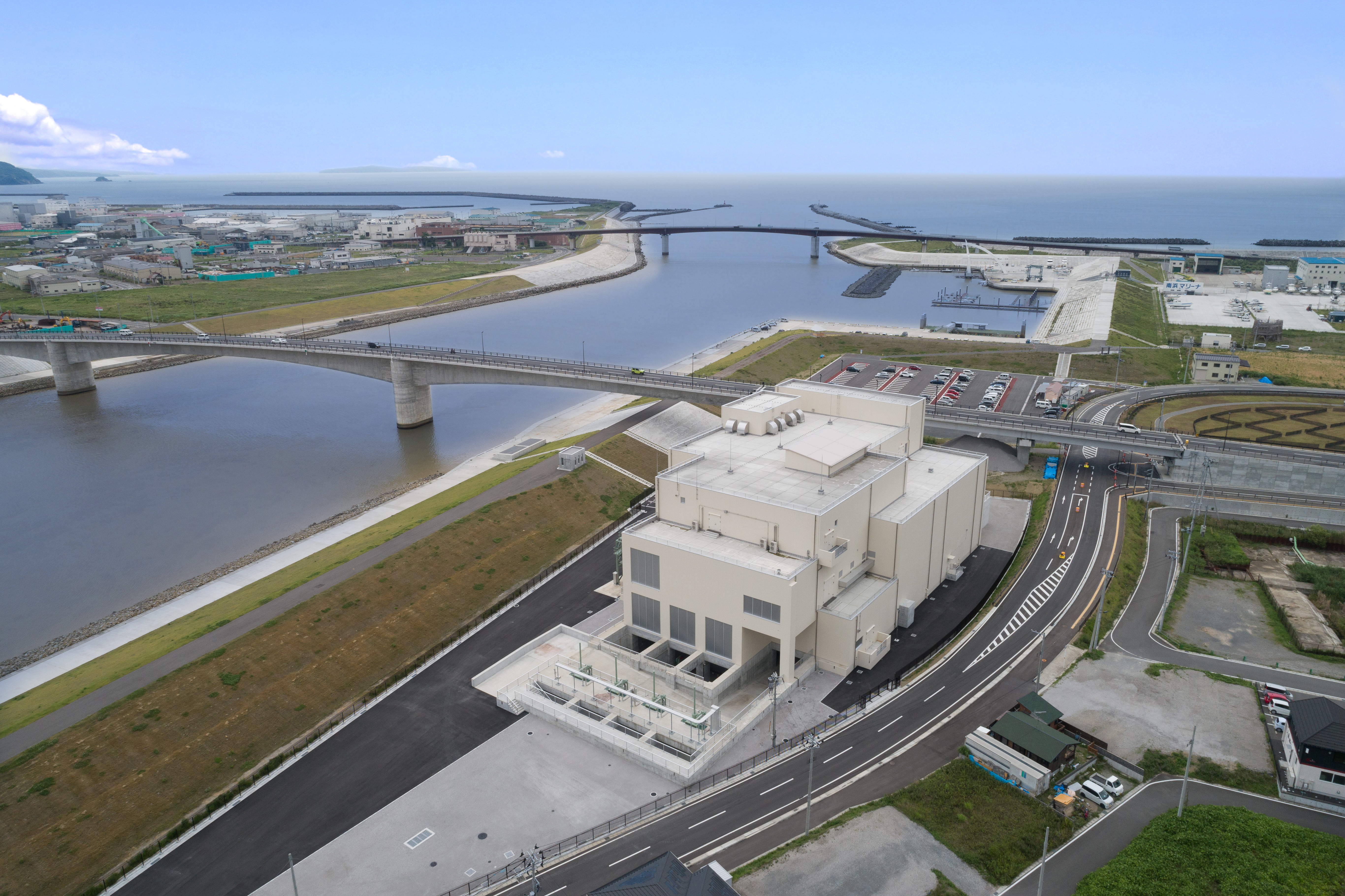
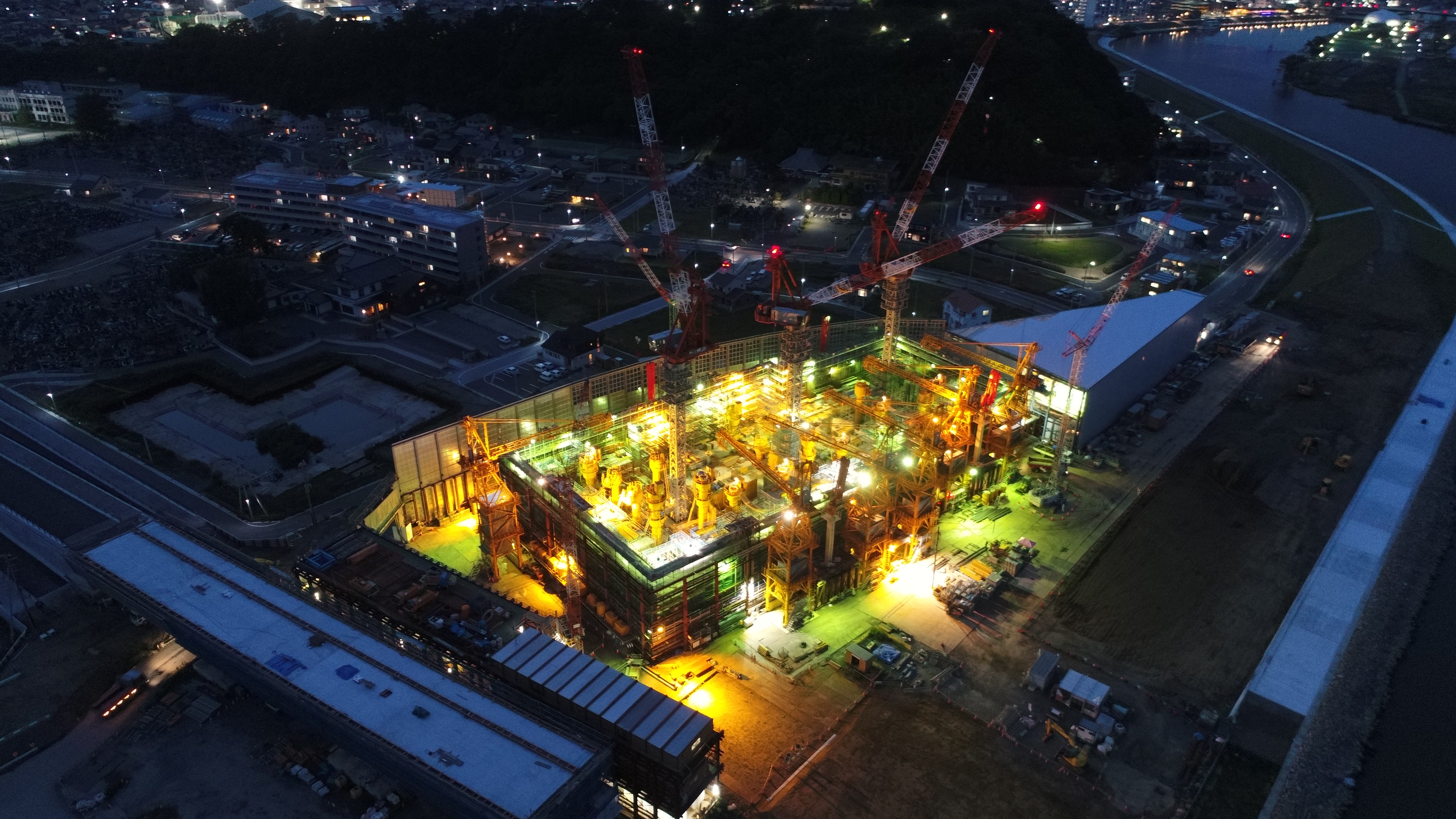
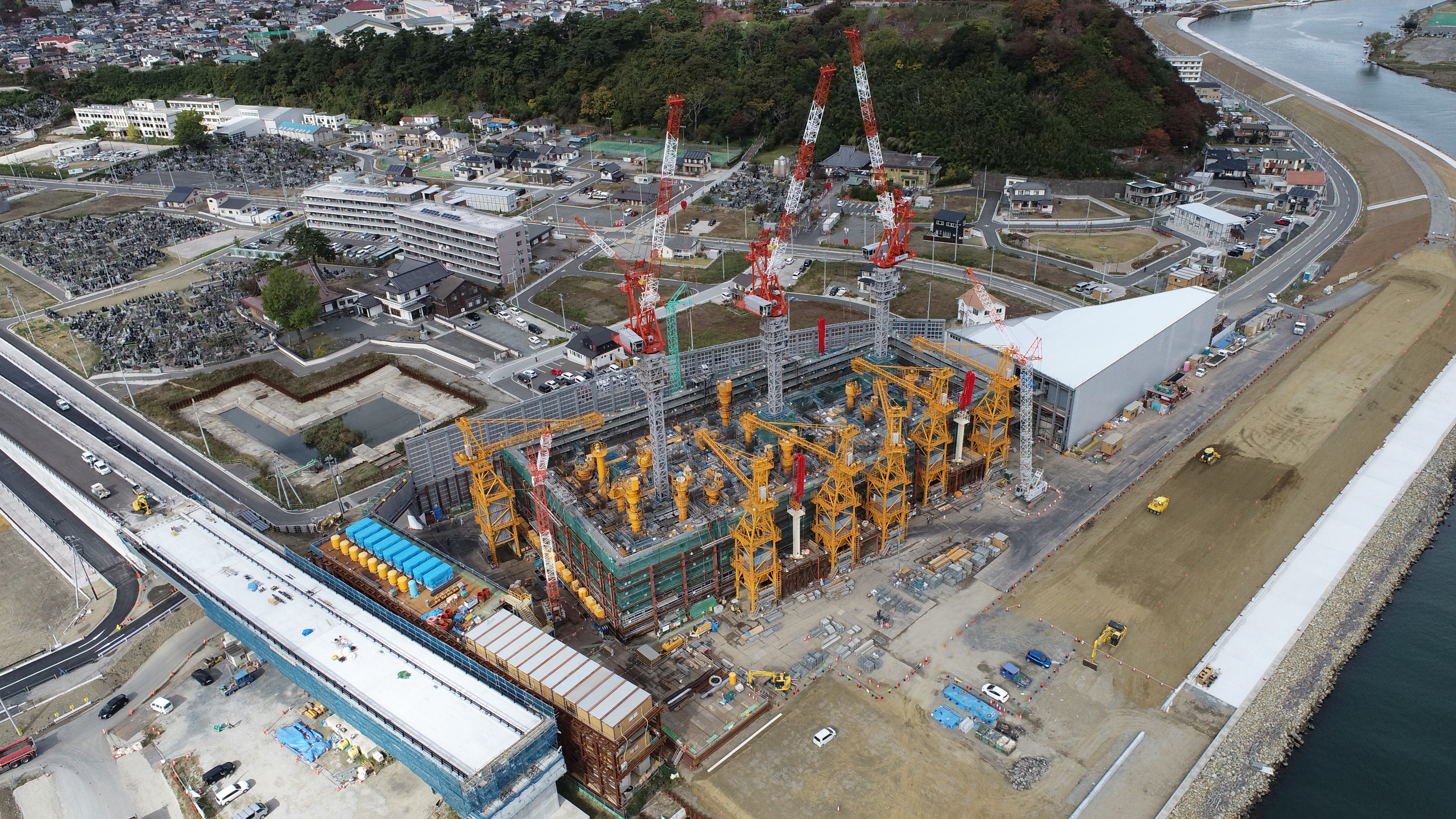
This project renewed 198 bridge spans (approx. 4.8 km) along the Chugoku Expressway, where steel girder corrosion and RC deck slab deterioration had become critical after over 50 years of service. To avoid lengthy traffic disruptions in this heavily trafficked urban corridor, the Shin-Meishin Expressway was utilized as a detour, enabling concentrated renewal through six full closures over two years. Innovative techniques include a jack-up method to minimize closure durations, rapid large-block installation overactive railways, and the first full-scale application of high-performance orthotropic steel bridge decks on Japanese road bridges. These technologies provide a new model for urban expressway bridge renewal.
4. Improvement of Hanshin Osaka Umeda Station and Structural Expansion Works of East-West Underground Passageway
- Hanshin Electric Railway Co.,Ltd.
- Hankyu Sekkei Consultant Co.,Ltd.
- Okumura Corp.
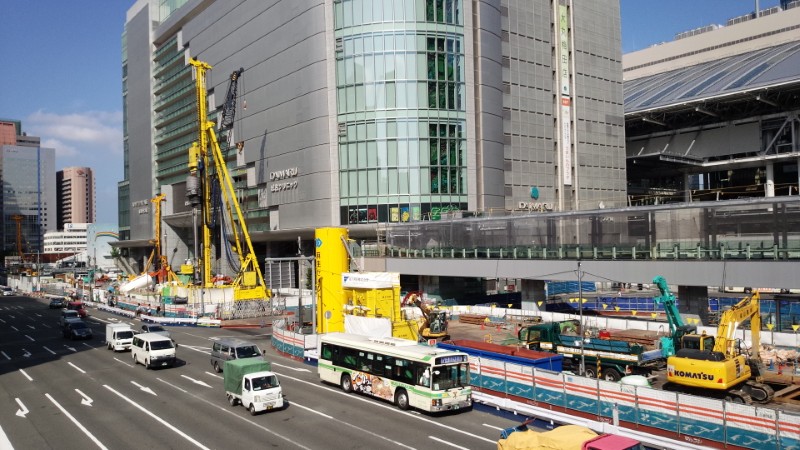
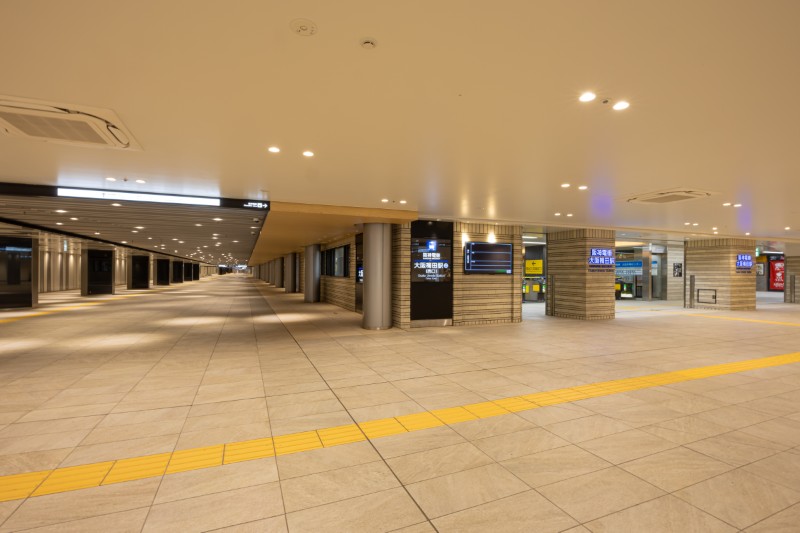
A large-scale open cut excavation was carried out to renovate the Hanshin Osaka–Umeda Station and widen the East–West Underground Passageway in the Osaka–Umeda district. The 3–5 m wide platform posed safety concerns, and the crank shaped passageway caused congestion due to poor visibility. Construction faced two major challenges: maintaining pedestrian flow and managing a high-pressure artesian aquifer. A dedicated east–west detour and an eight block north–south construction sequence enabled alternating work while allowing pedestrian movement. Abnormal groundwater inflow was controlled using a 38 m deep SMW retaining wall with base ground improvement. These measures enhanced safety, reduced congestion, and advanced engineering practice.
5. Green Car Introduction Project on the Chuo Rapid Line (Platform Extensions and Depot Arrangements to Enhance Passenger Service Quality in Western Tokyo)
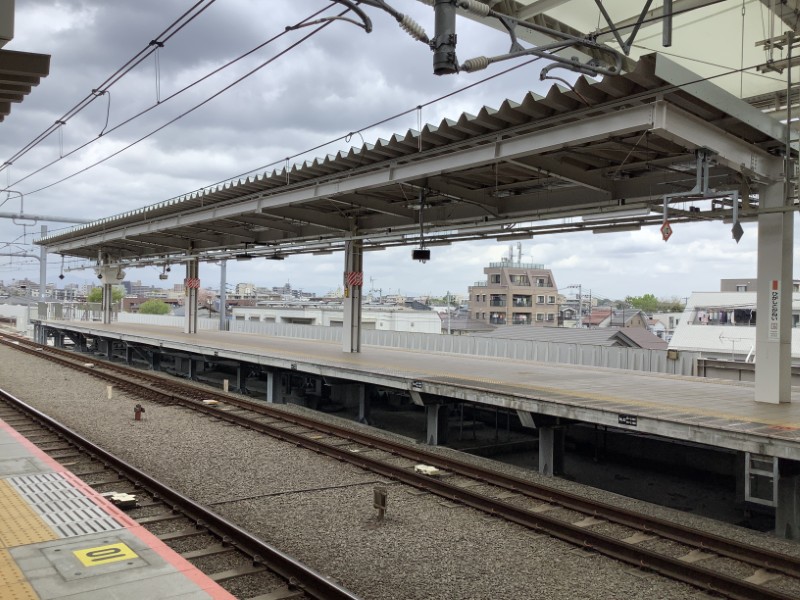
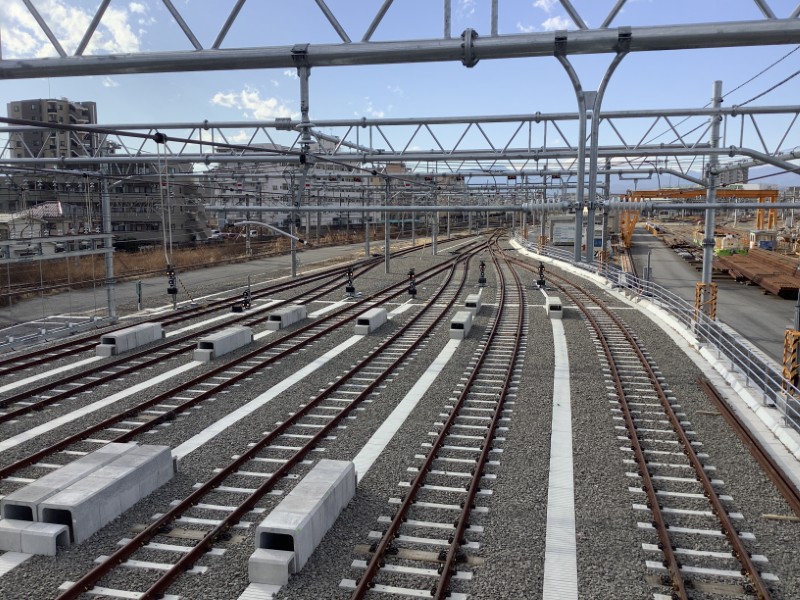
- East Japan Railway Company
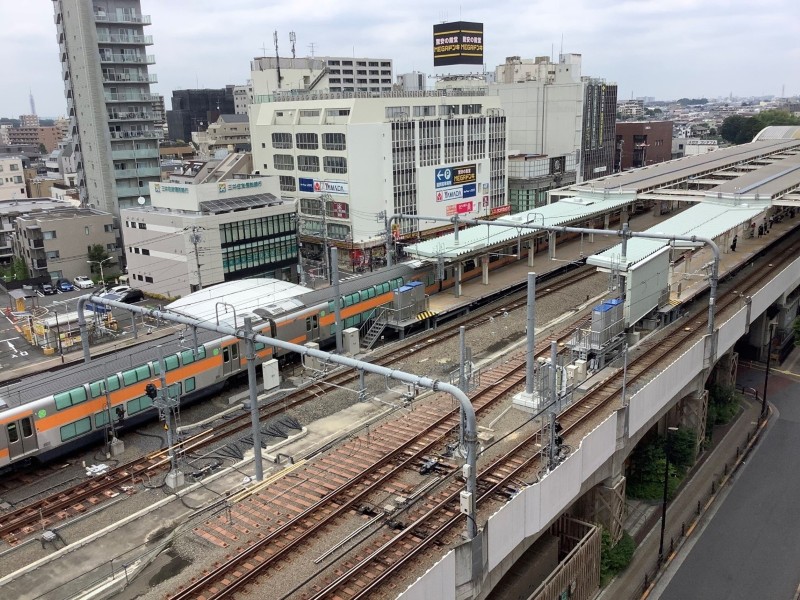
The Chuo Rapid Line Green Car Introduction Project aimed to alleviate congestion and improve passenger seating service qualities on the major Tokyo railway corridor. The project introduced twelve-car train sets with two additional Green Cars for all stations on the Chuo Rapid and Ome Lines. This unprecedented project also included simultaneous renovations at forty-four stations and six depots while railway operations on those lines. Under severe spatial and operational constraints in western Tokyo, this project could minimize construction scale and passenger impact by coordinating civil, electrical, rolling stock, and railway operation technologies. Early adoption of TASC (Train Automatic Stop-position Controller), innovative Construction methods, and depot reorganization reduced modifications and minimized land acquisition.
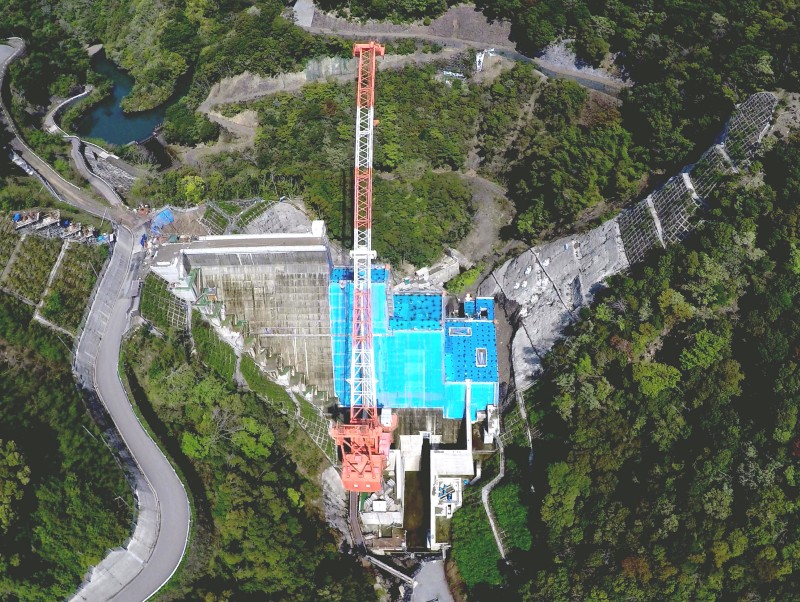
6. Wajiki Dam Construction Project: A 12-Year Achievement—Overcoming Unprecedented Challenges Through an Integrated Owner–Designer–Constructor Team
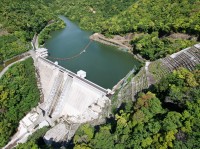
- Kochi Prefecture
- Taisei-Jotoku-Sugimoto-Yamamoto Joint Venture
- Yachiyo Engineering Co., Ltd.
Wajiki Dam is a 51 m-high gravity concrete dam on the Wajiki River in Geisei Village, Kochi Prefecture, developed for flood control and water supply. Planned in 1993, construction began in 2003 and was completed in 2025. In 2015, extensive unforeseen joint planes were found in the left-bank foundation rock, requiring major redesign and construction changes, including about 73,000 m³ of additional excavation and a long placement suspension. Based on 3D FEM thermal-stress analysis, insulation curing, pre-cooling, and heat-retention curing were applied. Construction joints were treated by water-jetting, reinforced with rebar, and equipped with horizontal waterstops. Productivity and safety were improved through optimized layouts, precasting, and DX, delivering high quality and schedule gains.
Outstanding Civil Engineering Achievement Award