2025 Environment Award(環境賞)
1. Depth-selective In-situ VOC Remediation Technology Using Novel Neutral Fenton Reagents
- Kajima Corp
Contributors of this project (Japanese)
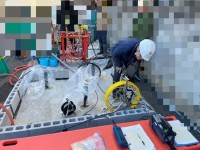
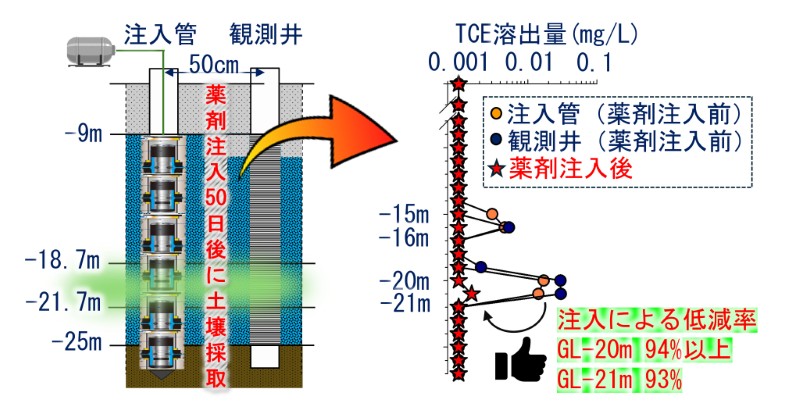
Remediation of VOC contamination in densely populated urban areas is a significant challenge, primarily due to excavation difficulties. Conventional well-based neutral Fenton methods face drawbacks such as short reagent effectiveness, limited remediation coverage near wells, and challenges in delivering reagents to low-permeability ground—all of which hinder remediation efficiency and increase costs. In this research, we developed a novel neutral Fenton reagent with lasting effectiveness that is over five times longer than state-of-the-art reagents, enabling efficient remediation with fewer wells. Furthermore, the double-packer method selectively injects reagents at contaminated depths via sleeve valves. Cost and CO2 emission analyses revealed that the in-situ remediation technology reduces costs by over 50% and CO2 emissions by 43%, showing its potential for environmental conservation and innovative remediation practices.
2. Development of Soil Radioactivity Lebel Sorting Technology and Operation of It Inside Interim Storage Facility
- SHIMIZU Corp.,
Contributors of this project
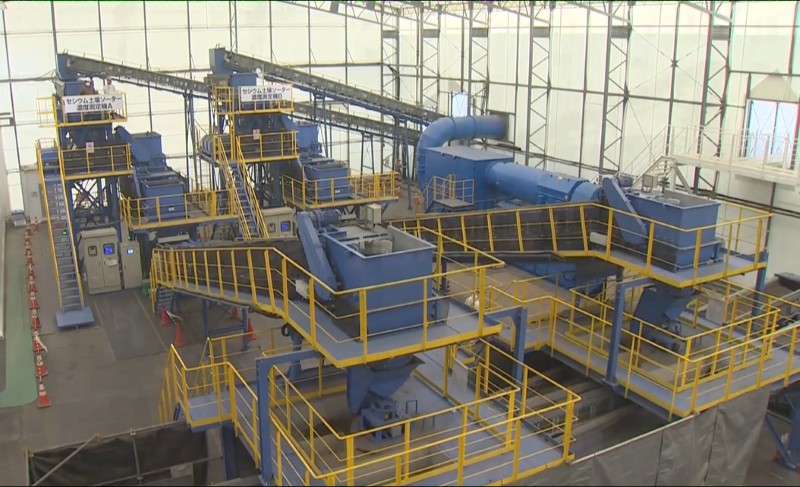
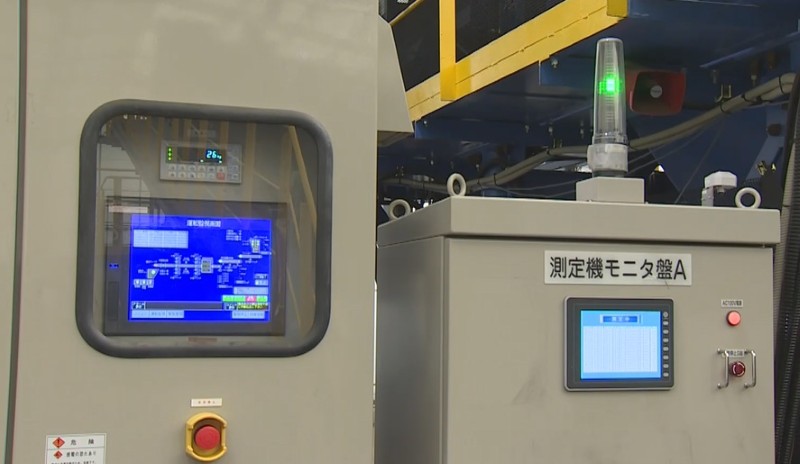
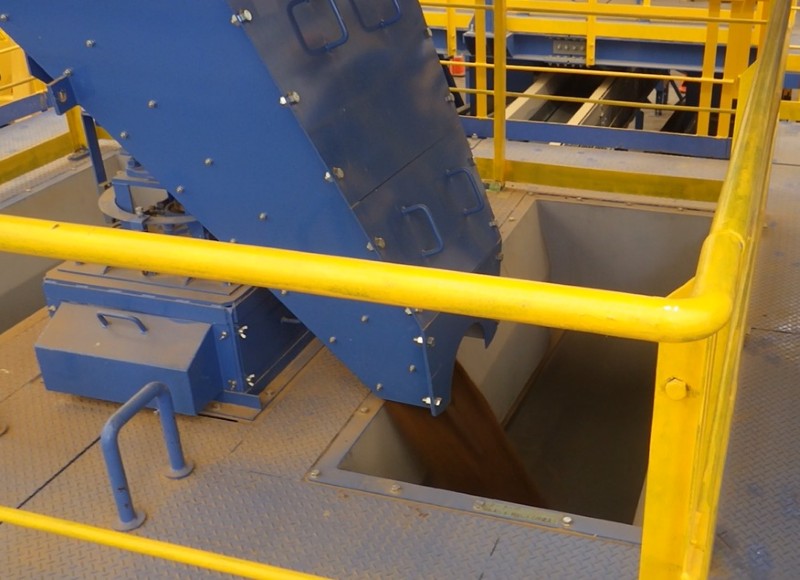
Approximately 14 million cubic meters of radioactively contaminated soil, generated by decontamination work to remove radioactive materials released into the environment by the Fukushima Daiichi Nuclear Power Plant accident, have been classified into low-concentration soil (8,000 Bq/kg or less) and high-concentration soil (exceeding 8,000 Bq/kg). These are stored in soil storage facilities within the interim storage facility. Key technical elements for sorting these soils are 'high-speed, large-volume processing' and 'high-precision radioactivity measurement.' We have developed a batch-type radioactivity level sorter equipped with these features. Using this sorter, we have achieved a proven record of sorting approximately 1.2 million tons of soil with an accuracy of ±10%.
3. Backfill Grouting Materials that Accelerate Decarbonization in the Construction Industry —Effective Utilization of By-products from Biomass Power Generation
- Obayashi Corp.
- TAKK Co., Ltd
Contributors of this project
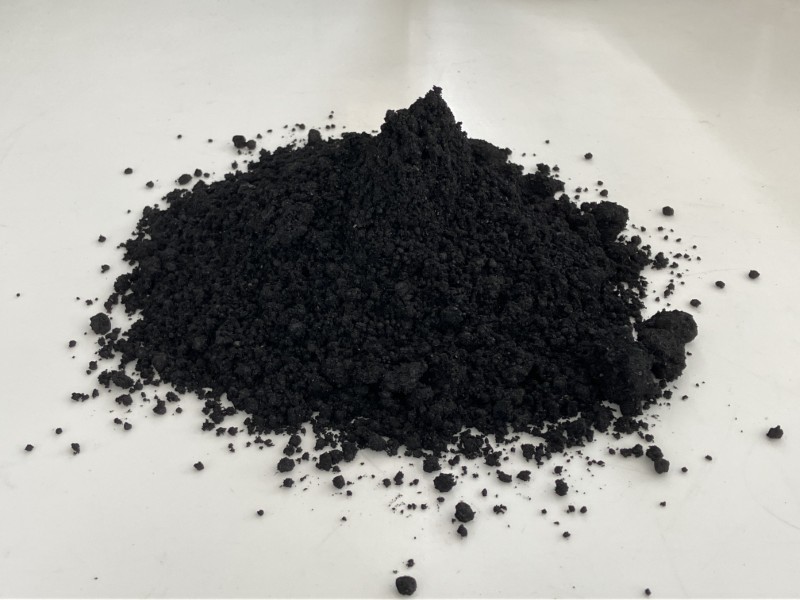
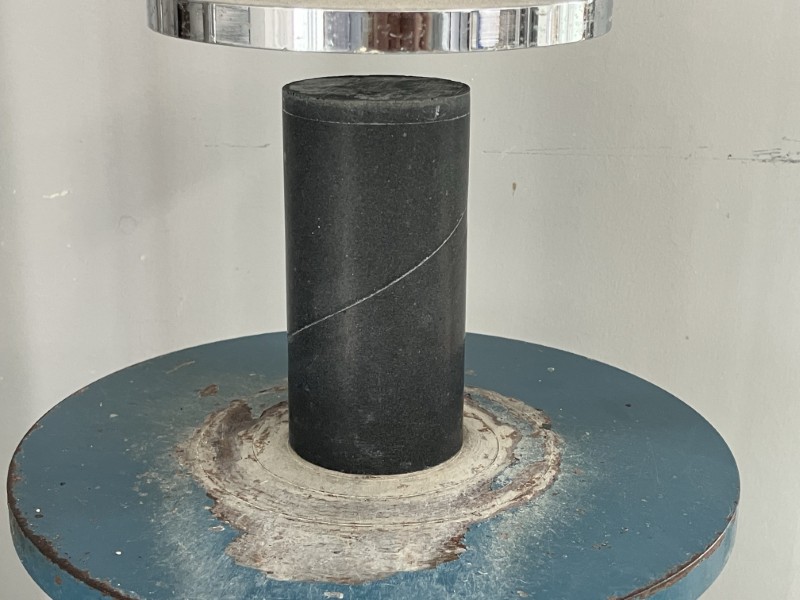
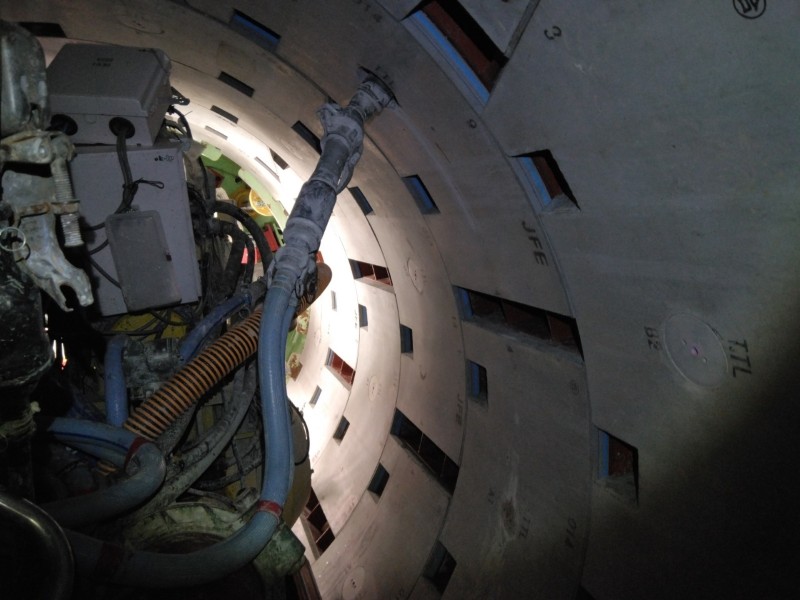
With the global push toward carbon neutrality, efforts to decarbonize the construction industry are accelerating. This technology achieves carbon neutrality by utilizing wood charcoal, a by-product of biomass power generation, as a backfill grouting material for shield tunneling, while fully satisfying the performance requirements of conventional materials. By adopting a premixing manufacturing method that combines biochar with bentonite-based additives in advance, conventional workability and quality are maintained, and the material has been successfully applied in actual construction projects. This technology is expected to see wider application as an effective solution to growing domestic and international decarbonization demands.
4. A Blue Carbon Creation and Coastal Seaweed Bed Restoration Project Utilizing Seedling Production Technologies for Macroalgae
- Kajima Corp
Contributors of this project (Japanese)
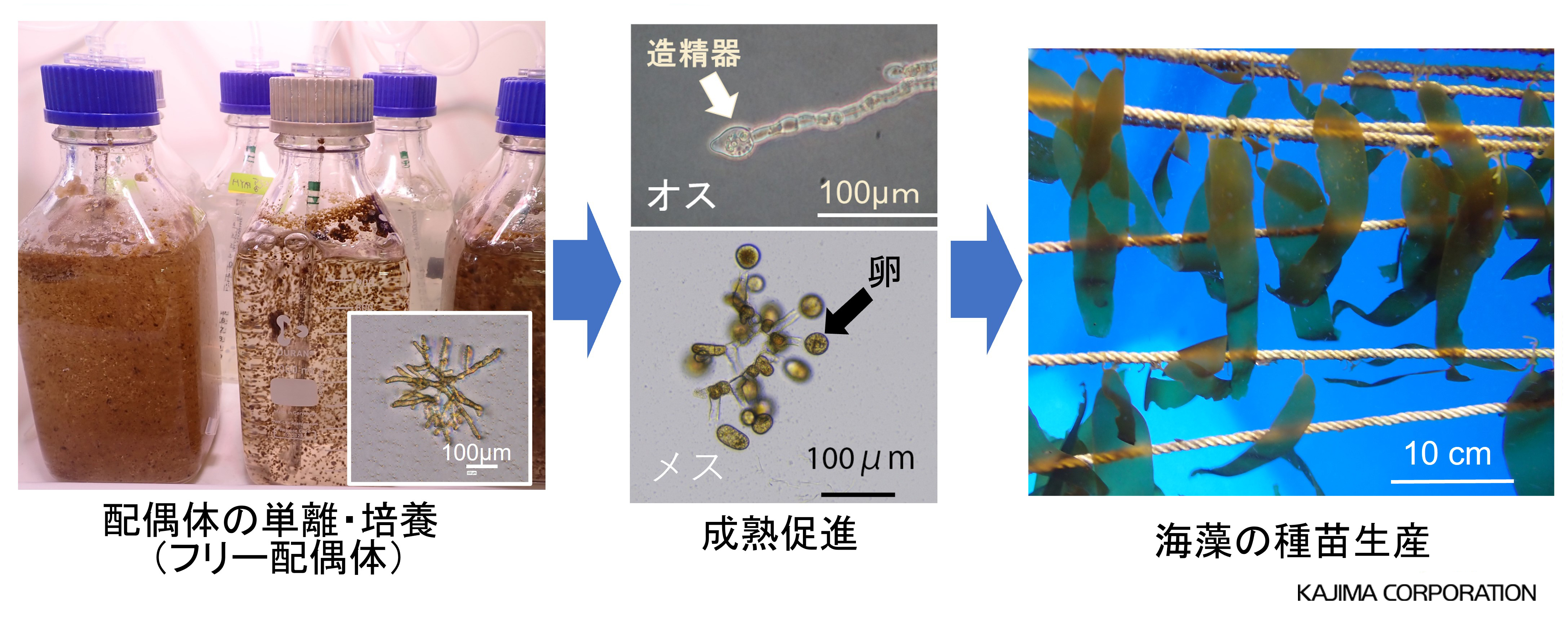
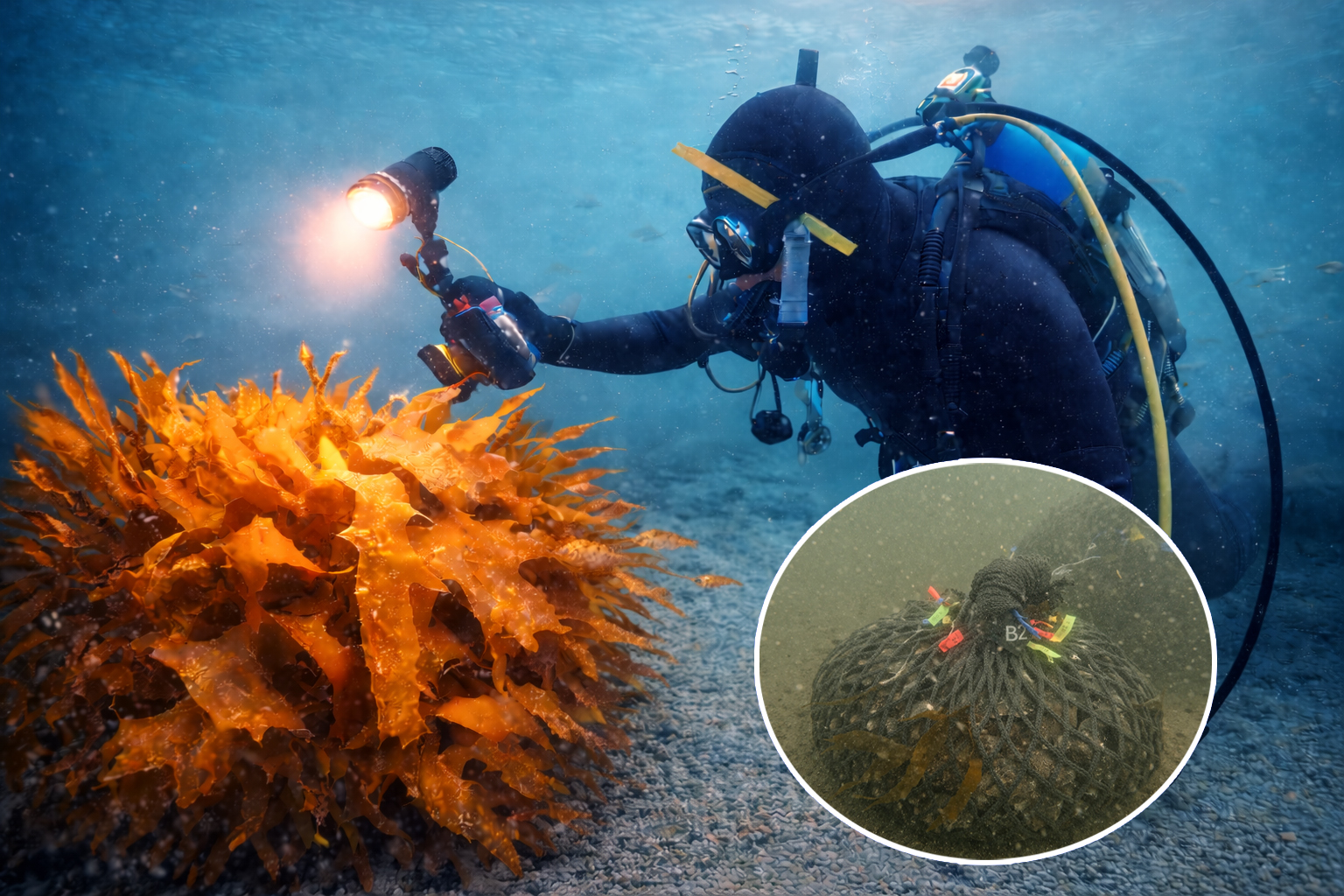
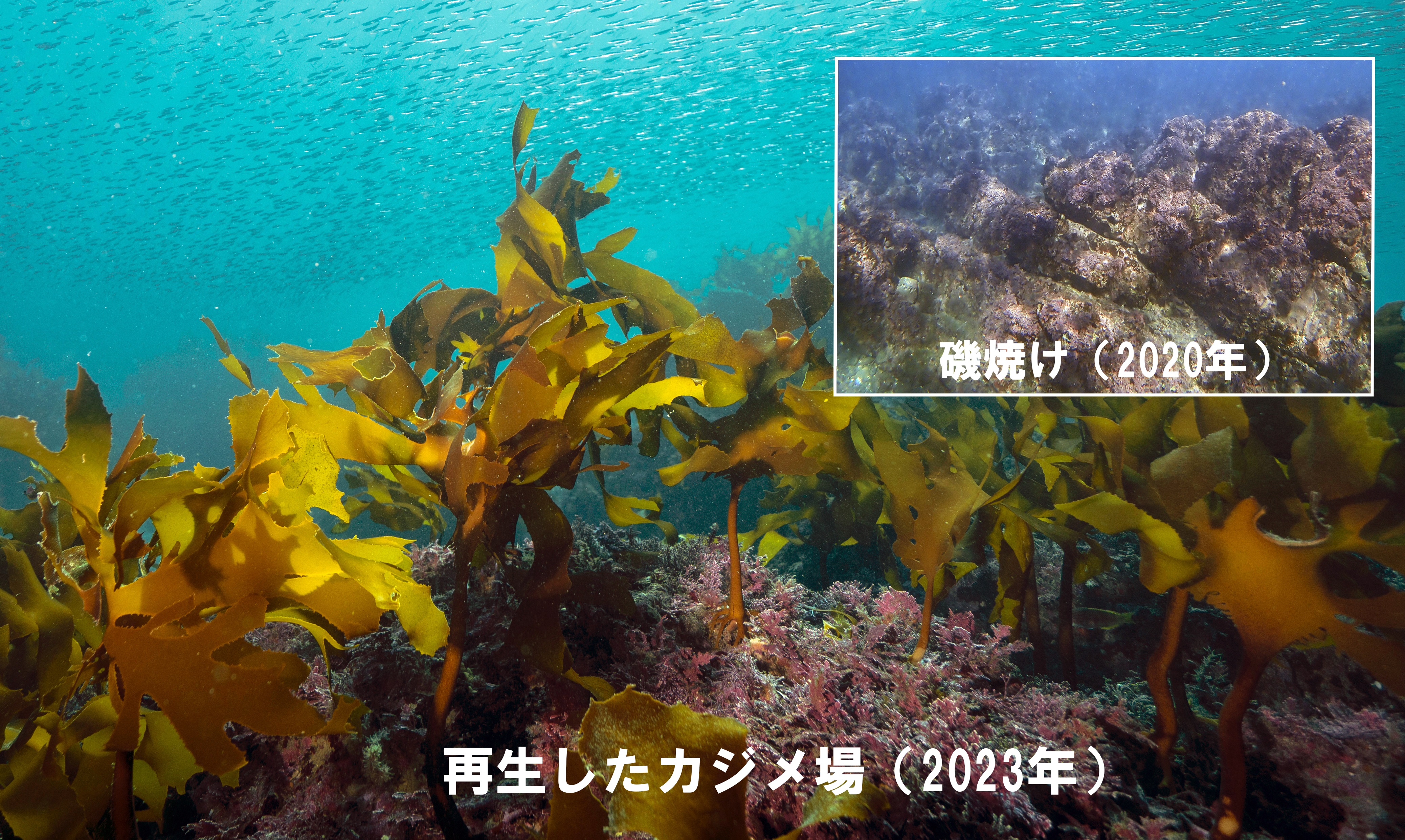
This project addressed the issue of the loss of seaweed beds by applying the developed onshore seedling production and transplantation technologies to restore region-specific seaweed communities. In Hayama Town, Kanagawa Prefecture, a regional model was implemented in which local stakeholders collaborated to restore seaweed beds while establishing a positive cycle for the local economy through blue carbon generation, together with mechanisms for education and public awareness.
5. Implementation of Environmentally Friendly Concrete in Power Utility Shield Tunnels to Significantly Reduce CO₂ Emissions and Effectively Utilize Industrial By-products
- Taisei Corp.
Contributors of this project (Japanese)
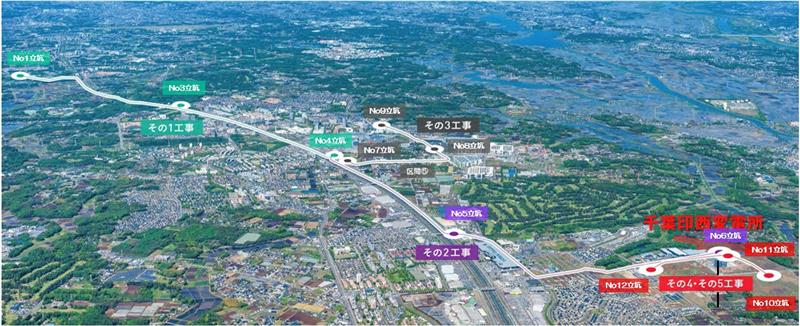
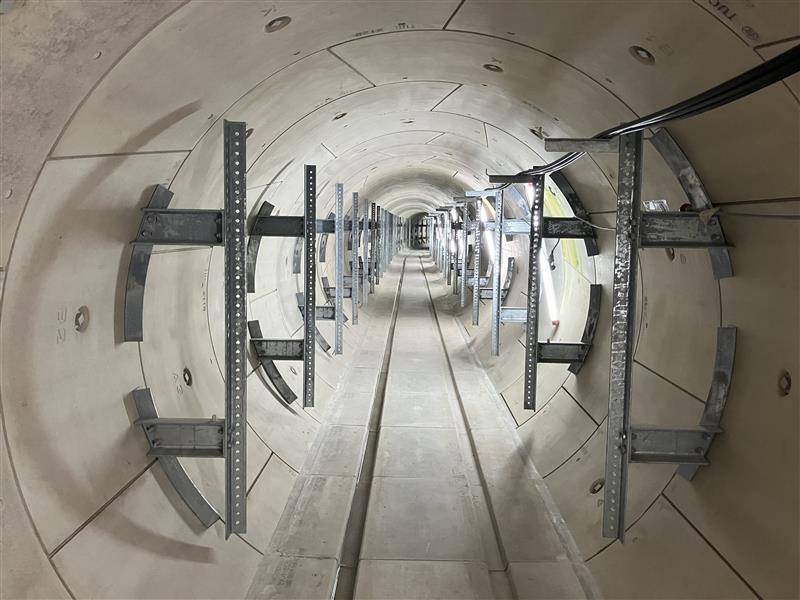
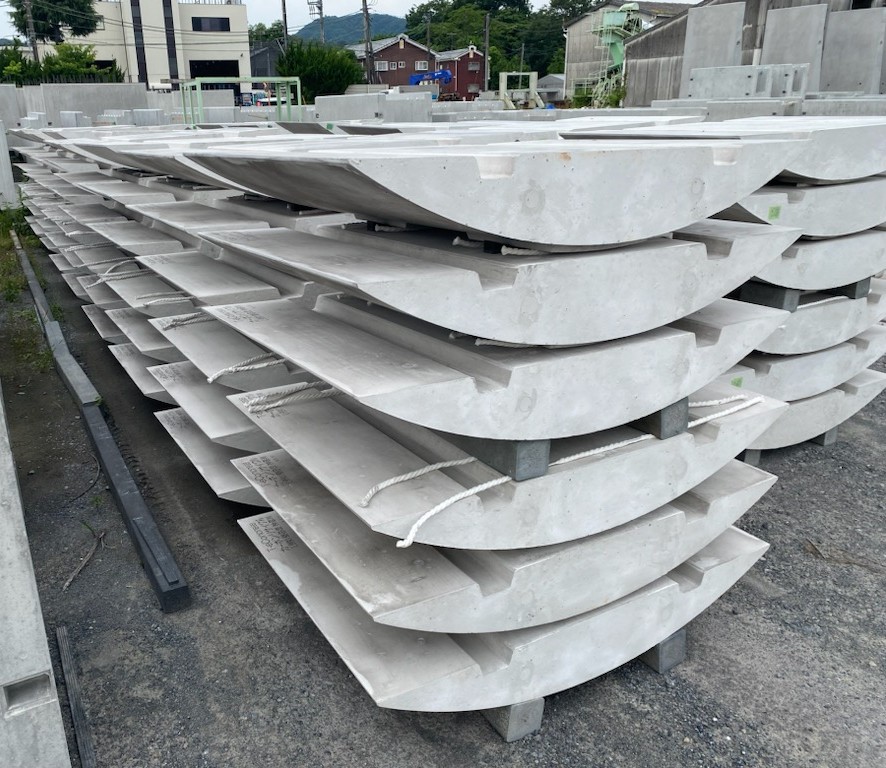
In the concrete section of construction sites, actively using concrete admixtures with a lower CO₂ emission intensity than ordinary cement can contribute to reducing CO₂ emissions. In this project, 1,589 m³ of environmentally friendly concrete was applied, resulting in a reduction of 379 tons of CO₂. This represents a significant achievement for a single urban civil engineering project, as it has achieved a substantial reduction in CO2 emissions from concrete works and the effective utilization of industrial by-products. This technology holds promise for future projects.