2025 Technique Award(技術賞)
[Group-1]
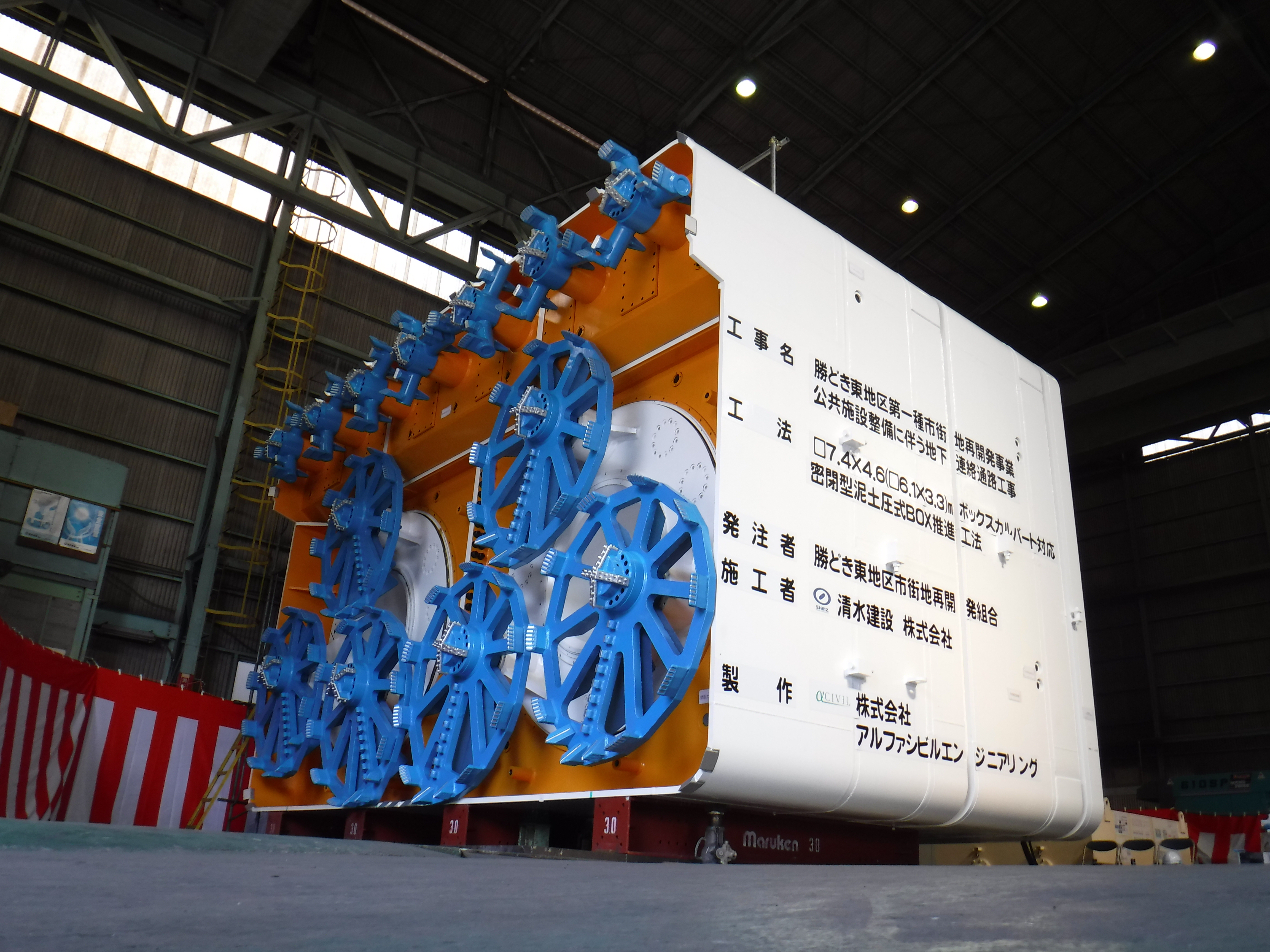
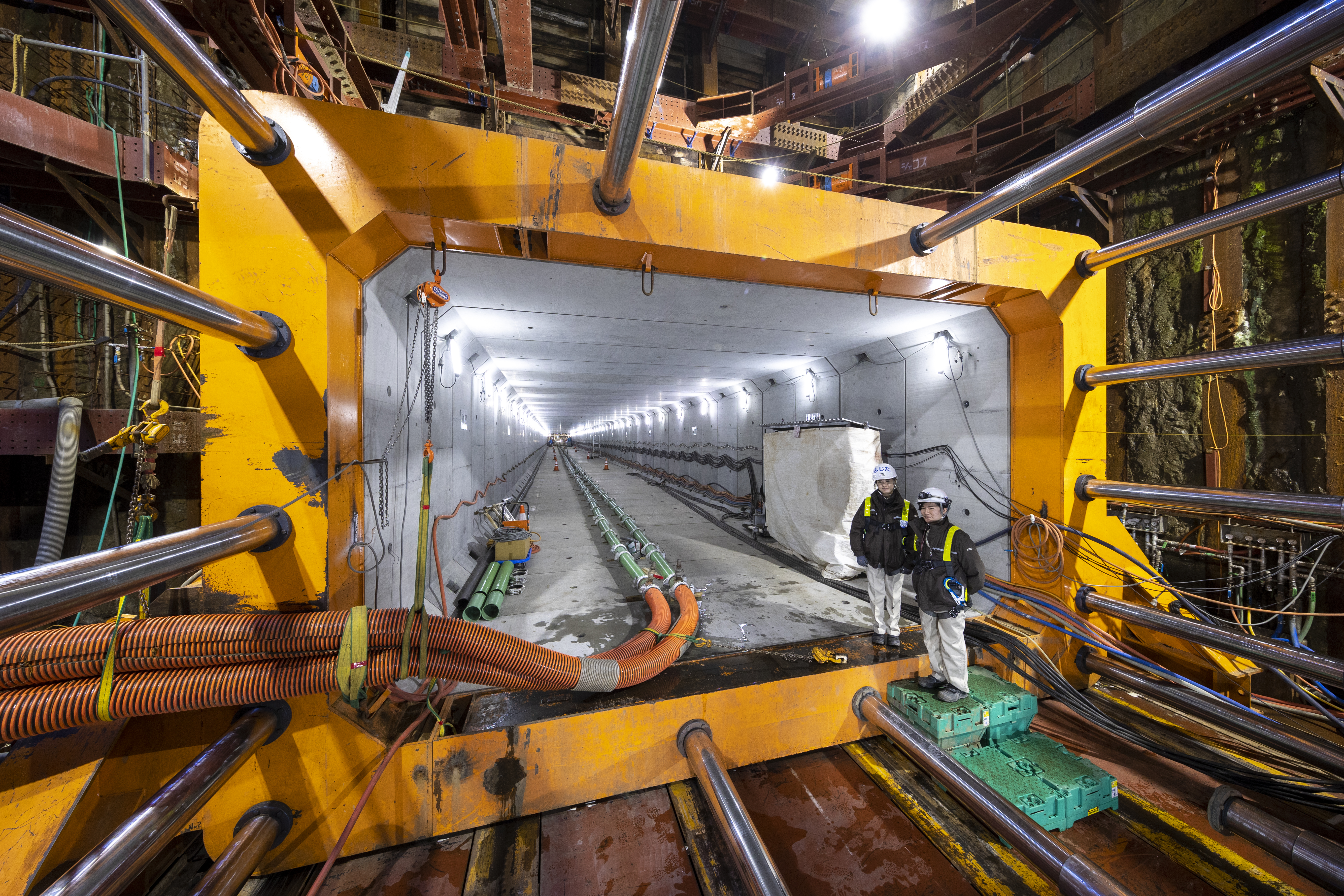
1. The Largest Cross-Sectional Rectangular Pipe Jacking in the Underground of the Metropolis in Japan.
- SHIMIZU Corp.
Kachidoki East District Underground Passage was constructed as a pedestrian passage between the high-rise apartment and the Kachidoki Subway Station as part of a redevelopment project. The closed-type rectangular pipe jacking method was adopted to secure an internal space for pedestrian passage due to strict restrictions and was safely constructed with a passage width of 7.45m and a height of 4.61, which is an unprecedented scale. A rectangular pipe jacking machine and excavation control system were developed and applied, and based on skilled operators' experience, data was accumulated to aim for tunneling automation. This has not only improved construction quality but also enhanced excavation techniques, contributing significantly to tunneling technology. This achievement was recognized as worthy of a technical award.
2. Bulk Erection of Railway Girders on an Operational Line Using a Railway Girder Erection Machine (Civil Engineering Works for the Continuous Grade Separation Project on the Seibu Railway Shinjuku Line Between Nakai Station and Nogata station—Section 1)
- Seibu Railway Co., Ltd.,
- Railway Headquarters Construction Department Continuous grade separation office
- Kajima-Tekken-Toda-Goyo Construction Joint Venture
- Meiwa Industries Co., Ltd. h
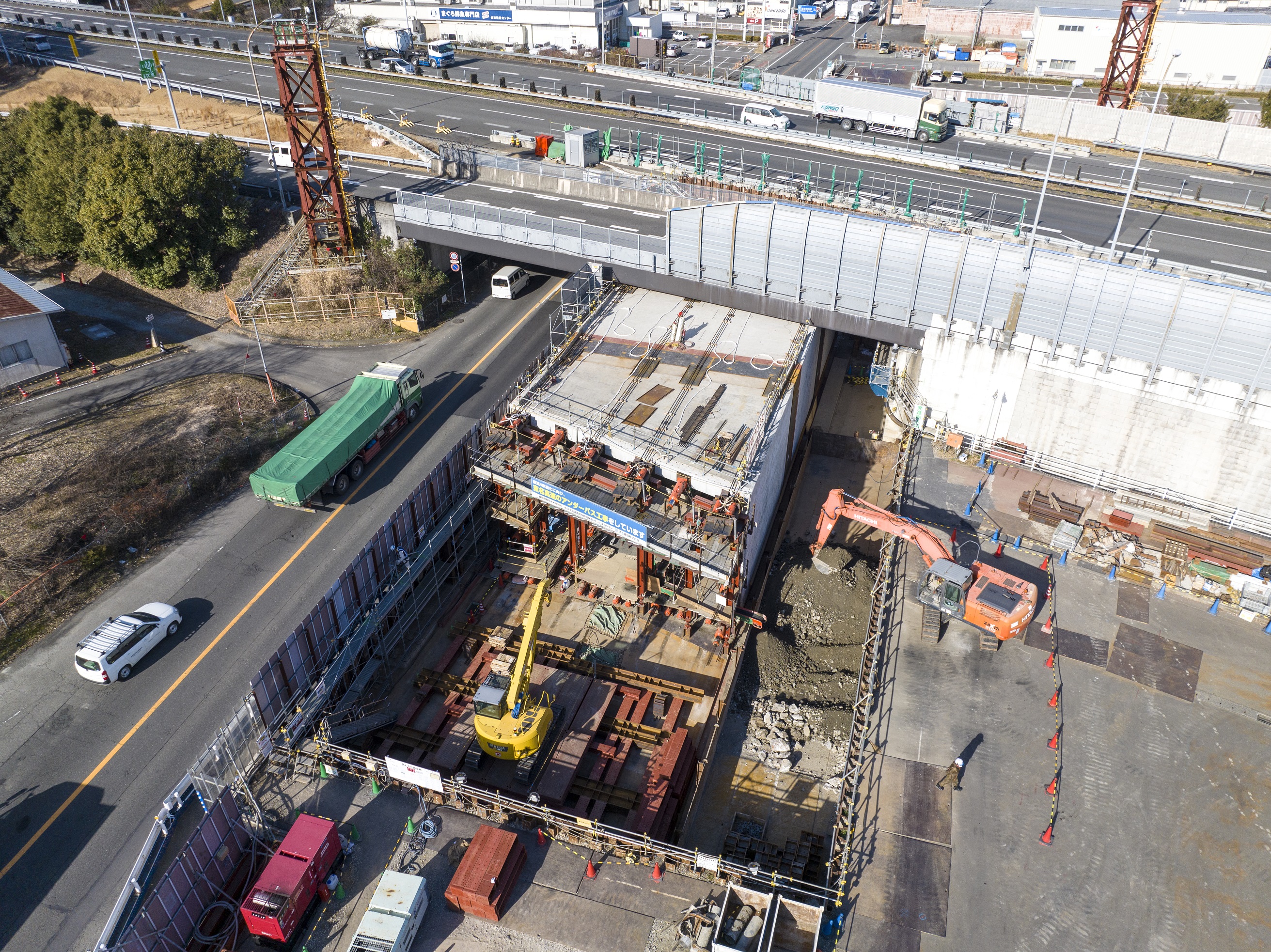
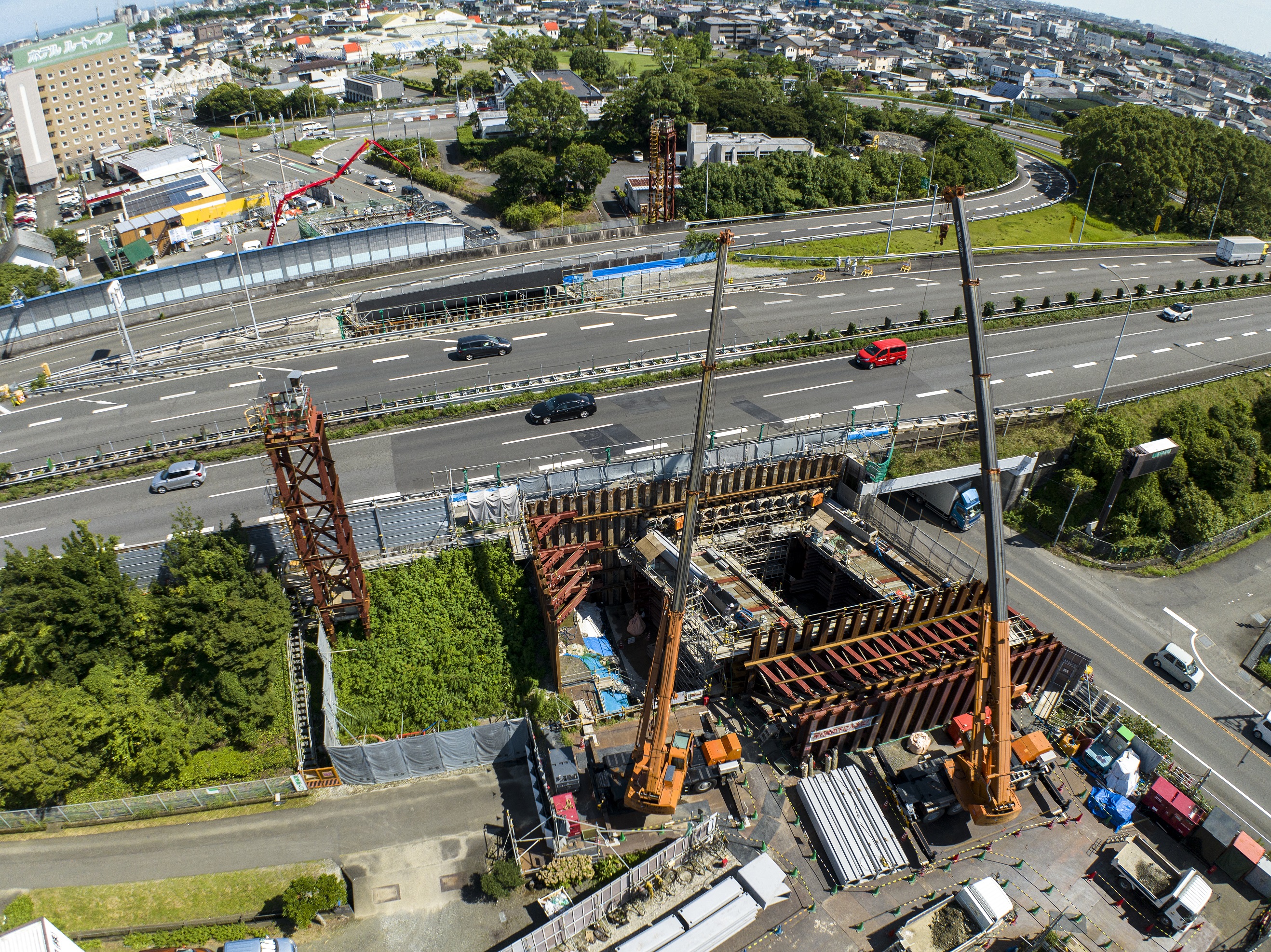
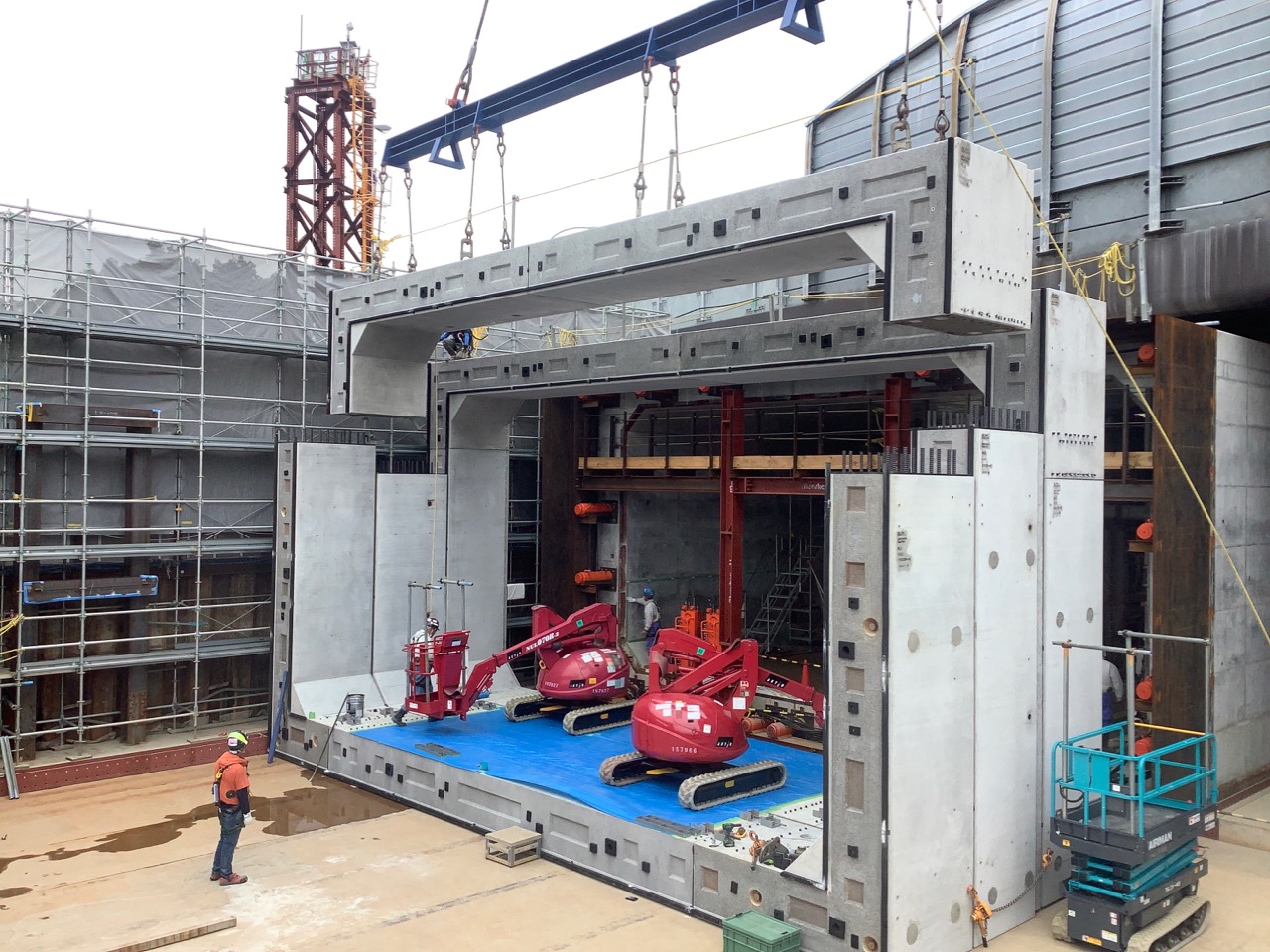
The Seibu Railway Shinjuku Line continuous grade separation project is an initiative to place the Seibu Railway Shinjuku Line underground along the approximately 2.4-kilometer. Of this, the approximately 180-meter section was planned to be excavated directly below the operational line, which would be temporarily supported by railway girders. Therefore, a railway girder erection machine capable of transporting and erecting railway girders with a single unit was developed. The dedicated erector enables the erection of girders weighing up to 20 tons, allowing work under overhead power lines. This technology is highly effective, and was recognized as deserving of a technology award. .
3. Planning and Construction of a Large-Scale Labyrinth-Type Spillway for the Sengozawa Dam Redevelopment Project

- Fukushima Prefecture
- Japan Dam Engineering Center
- Nippon Koei Co., Ltd.,
- Specific Construction Joint Venture
- SHIMIZU CORPORATION
- Asunaro Aoki Construction Co., Ltd.,
- AOI Corporation
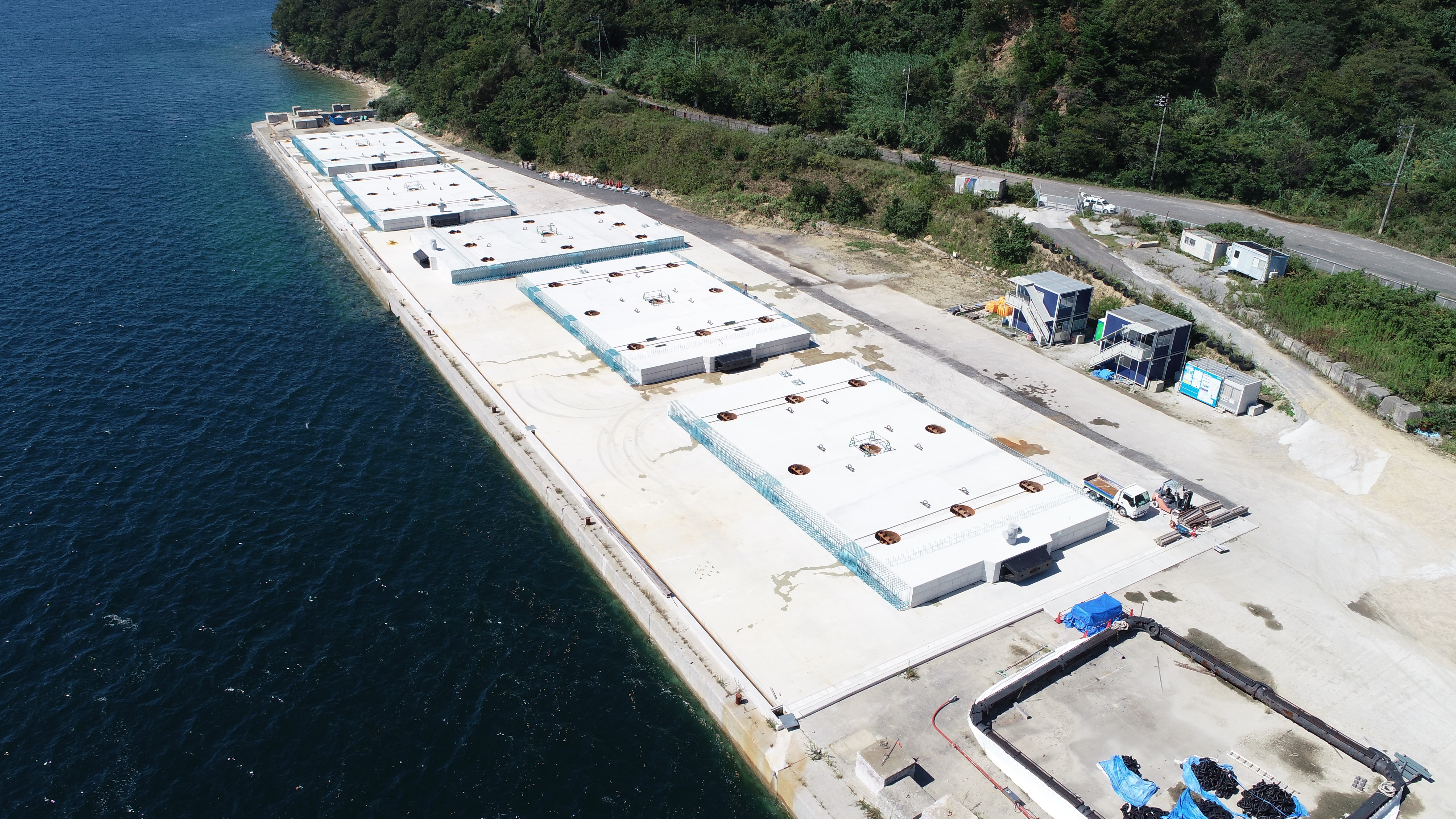
The Sengozawa Dam Redevelopment Project involves converting an irrigation-only dam into a multipurpose dam by utilizing its unused capacity and adding new flood control functions. To minimize terrain alteration, increase the dam’s insufficient discharge capacity, and eliminate the need for gates, a labyrinth-type spillway was adopted to maximize the length of the overflow crest. The design—featuring a large-scale labyrinth weir with a radial configuration and an orifice at its tip—is uniquely innovative, even on a global scale. For the complex structural construction, we utilized 3D-printed models and 4D-CIM to ensure quality while strictly adhering to the construction schedule, thereby achieving a zero-accident record throughout the entire project.
4.Challenge to the World’s Greatest Depth Using the Pneumatic Caisson Method –
The Kamioyamada Emergency Exit of the Linear Chuo Shinkansen
- Central Japan Railway Company Japan Railway Construction
- Transport and Technology Agency
- Toda Corporation
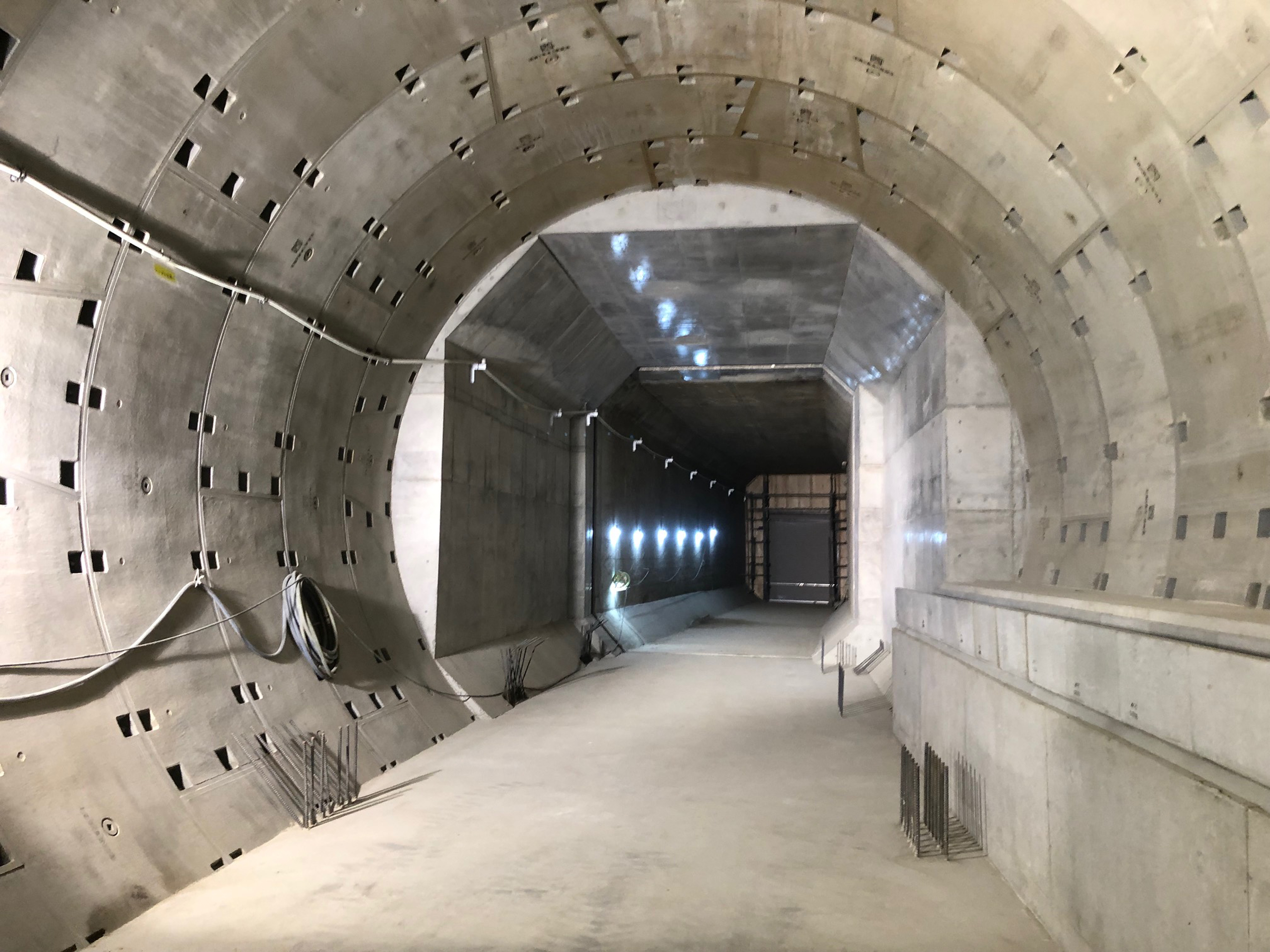
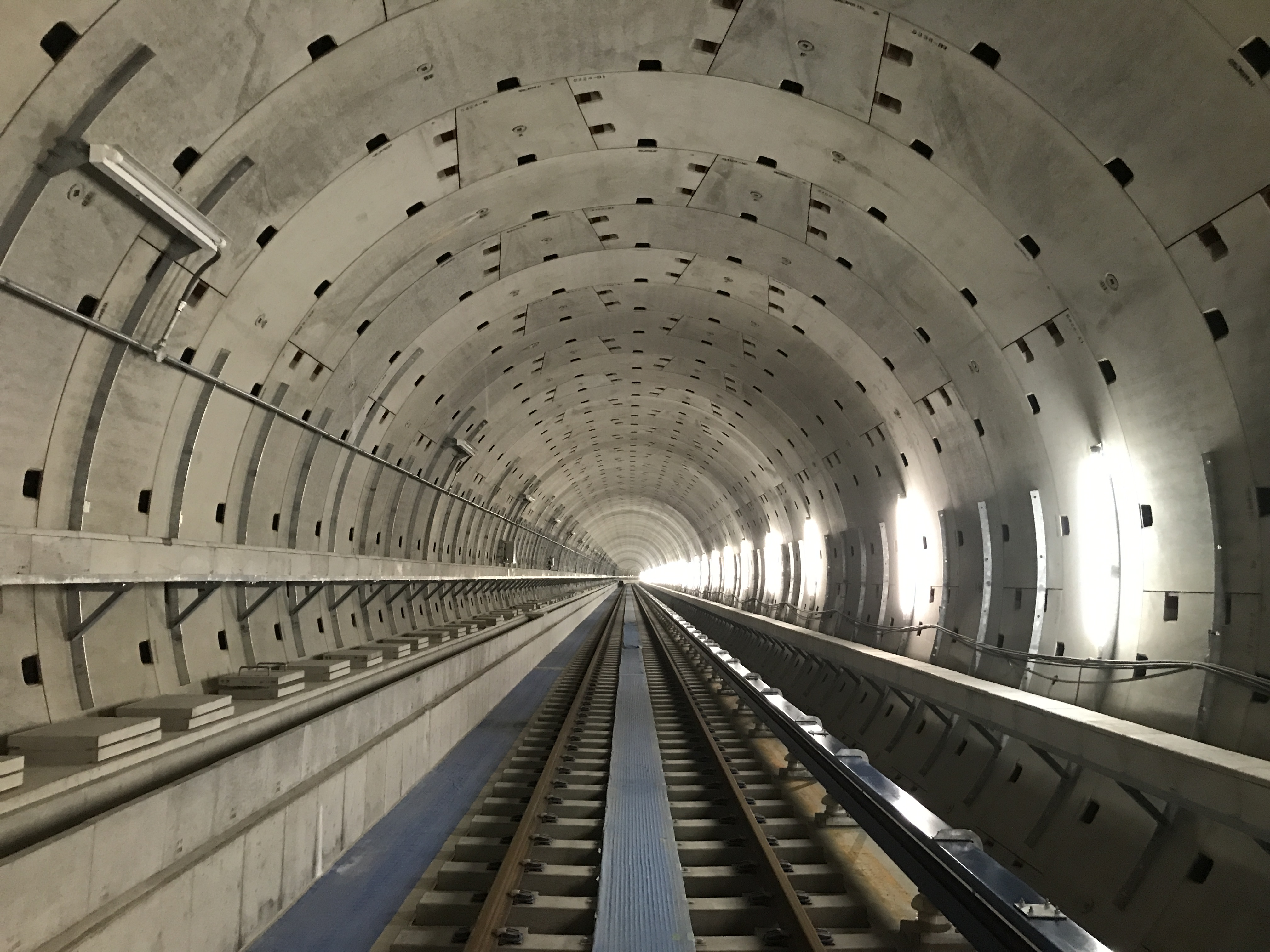
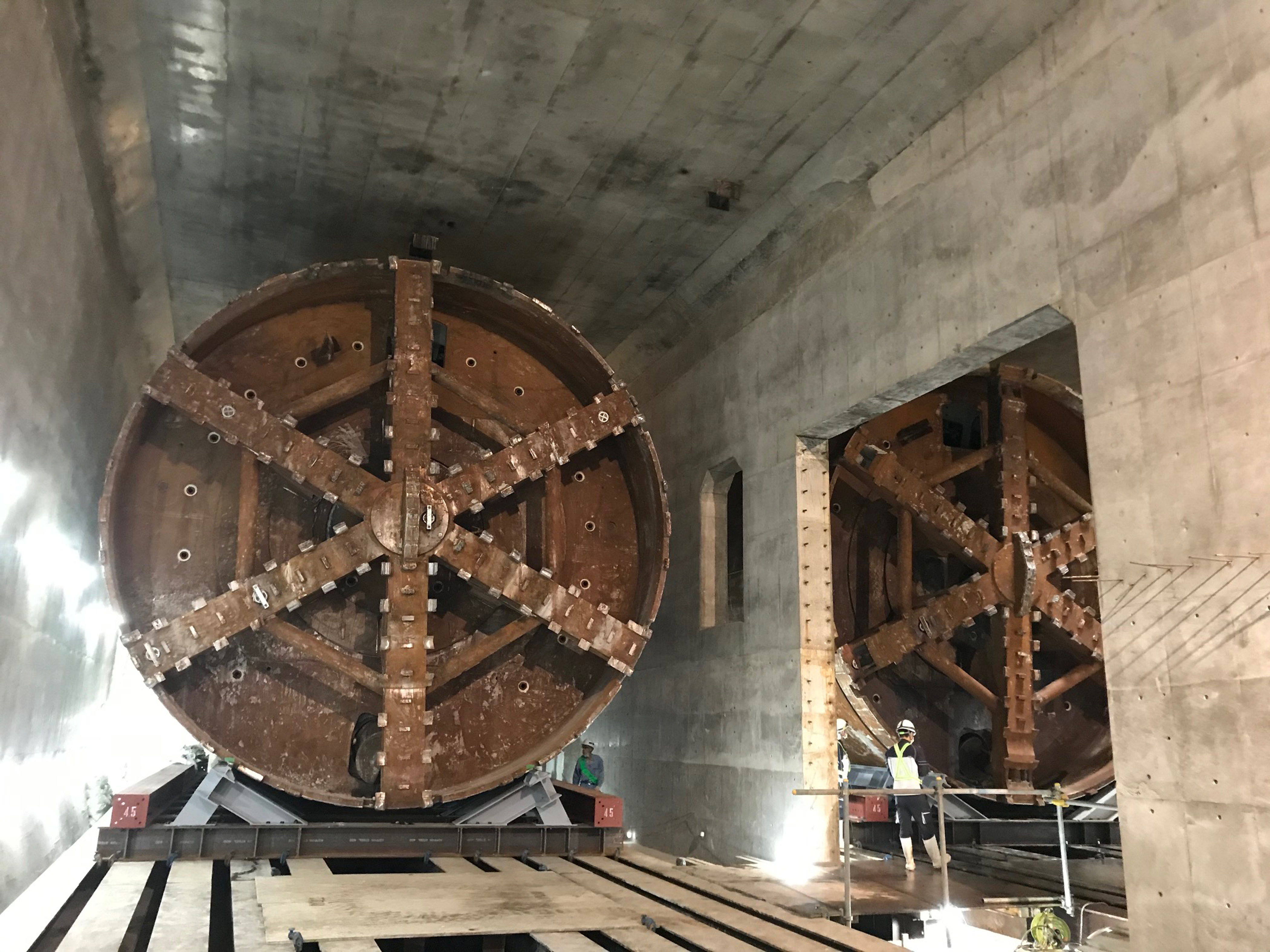
This project constructed a deep and large-diameter shaft for the Chuo Shinkansen Kami-Oyamada Emergency Exit in Tokyo, serving as a tunnel launch base during construction and as ventilation and evacuation facilities in operation. Using the pneumatic caisson method, a shaft with a 42m-outer diameter and a 110m-depth, that is the deepest in the world for this method, was successfully built. Key challenges included heterogeneous ground conditions, high water pressure, and strict alignment accuracy. These were overcome through advanced information-based construction with real-time automated monitoring and remote-controlled unmanned excavation. In addition, continuous casting with ultra-delayed concrete significantly improved watertightness. This project demonstrates advanced reliability in Japanese civil engineering and represents a significant innovation in deep underground space utilization.
5. Introduction of DX in the Kawakami Dam Construction Project: Integrated Use of CIM for Design, Construction, and Maintenance
- Incorporated Administrative Agency
- Japan Water Agency
- Obayashi–Sato–Nippon Kokudo Special Construction Joint Venture
- Yachiyo Engineering Co.,Ltd.,
- Nishida Tekko Corp.,
- Hokoku Kogyo Co.,Ltd.,
- TS Corp.
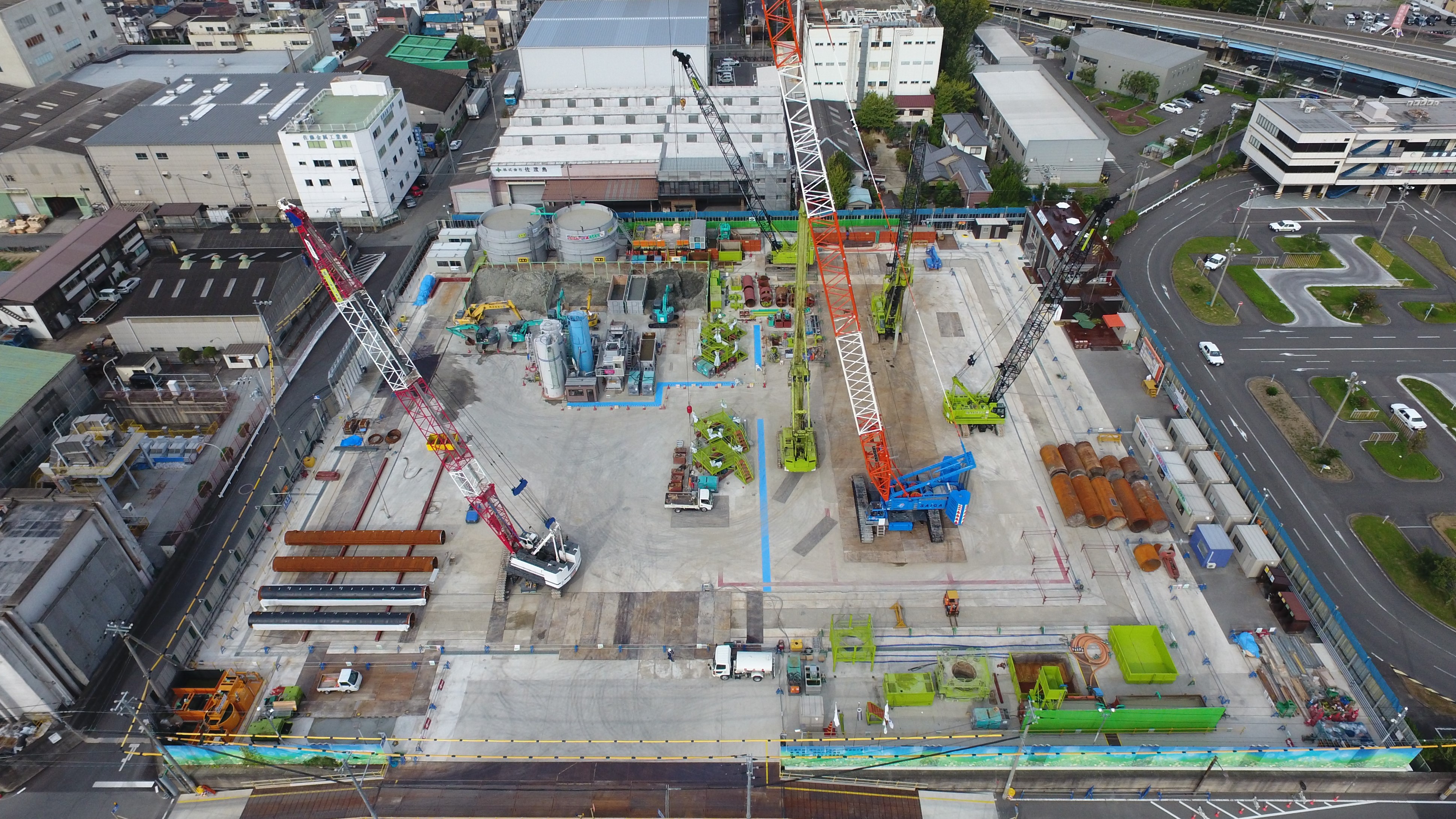
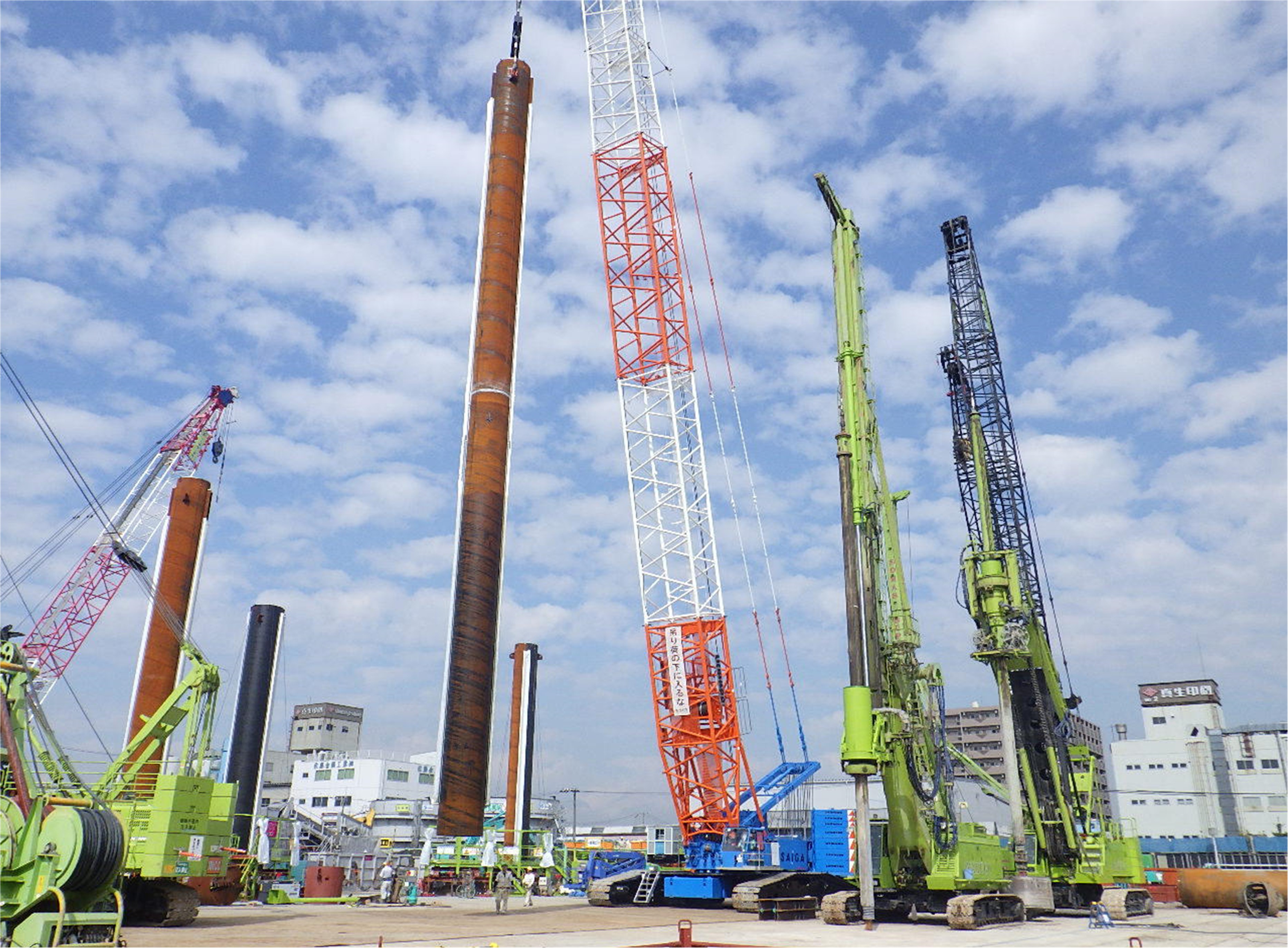
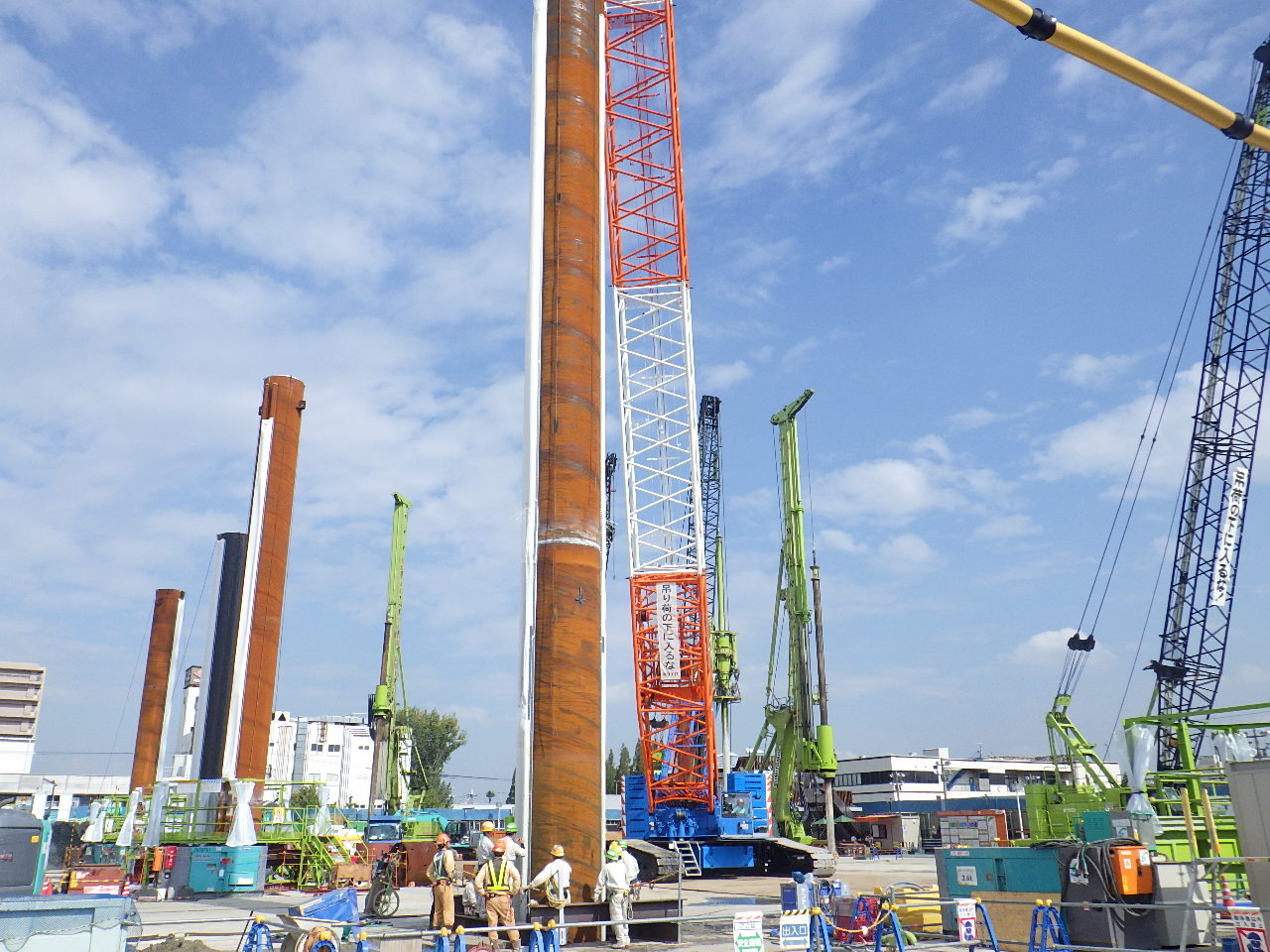
The Kawakami Dam Construction Project introduced Digital Transformation (DX) through the integrated use of CIM (Construction Information Modeling/Management) across the design, construction, and maintenance phases. This approach addressed challenges such as early completion requirements, labor shortages, work-style reform, and long-term safety management. Ahead of national BIM/CIM guidelines, project requirements were shared among all stakeholders from the initial stage. Design data created with multiple CAD systems were integrated under centralized CIM management. A digital twin was used to manage schedule, quality, and safety, together with the first full-scale application of Cyber Physical Systems in a domestic dam project. As a result, the dam was completed safely and on schedule, and project data were smoothly transferred to maintenance operations.
6. PC Box Girder Bridge Removal Technology above a Major Intersection (Over-the-Bridge Removal Method)
- Hanshin Expressway Company Limited
- Taisei Corporation Kansai Branch
- Fuji P.S Corporation Kansai Branch
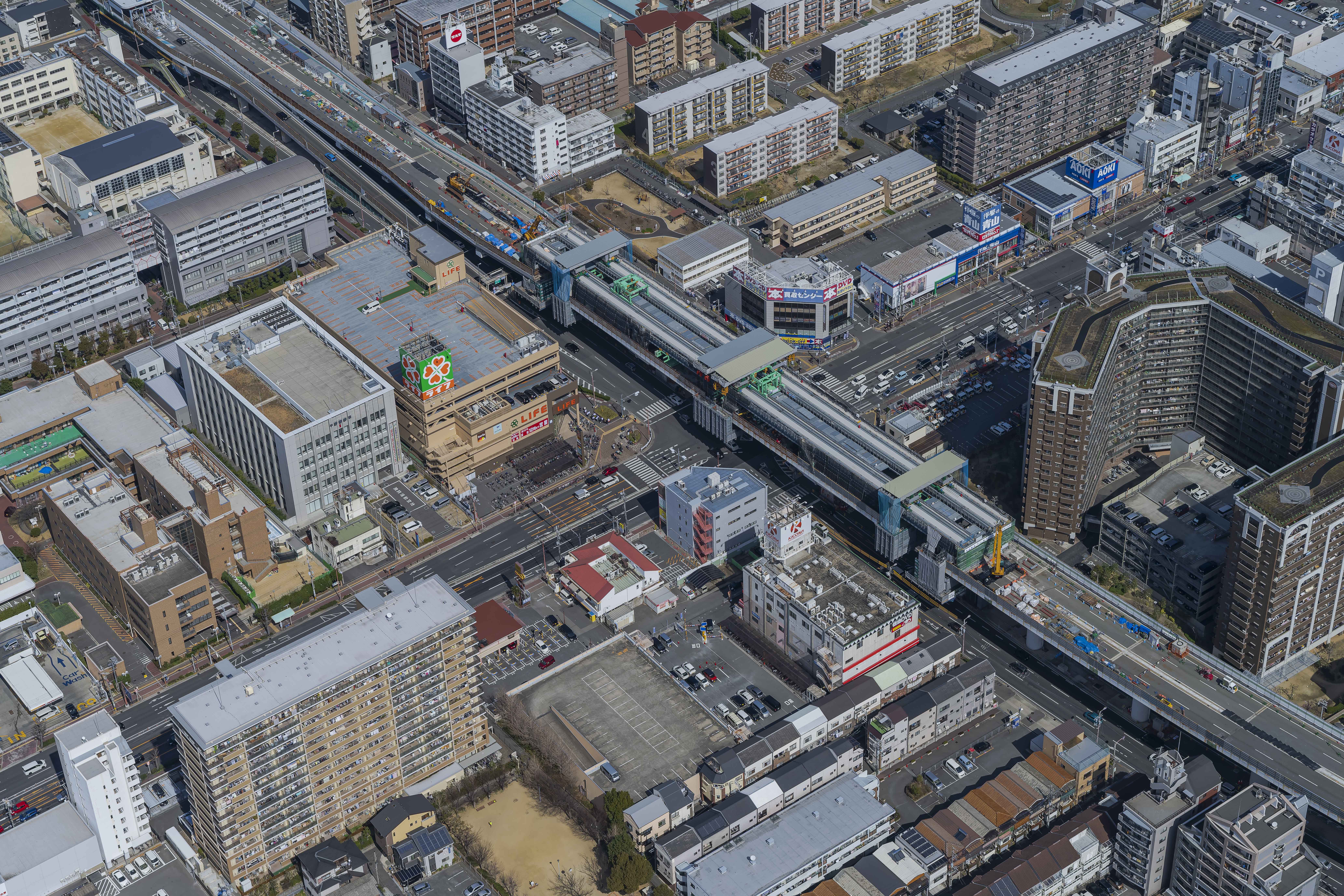
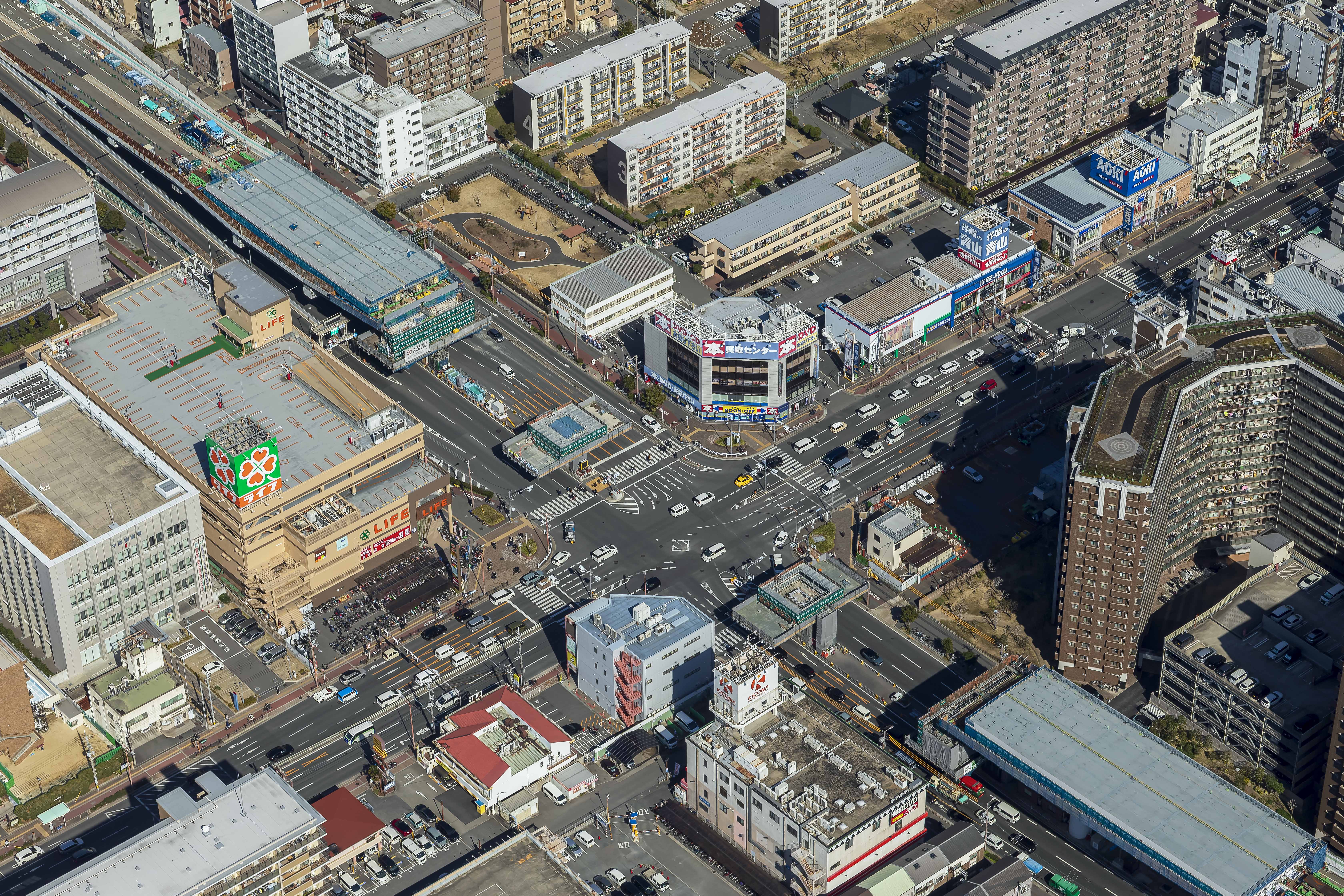
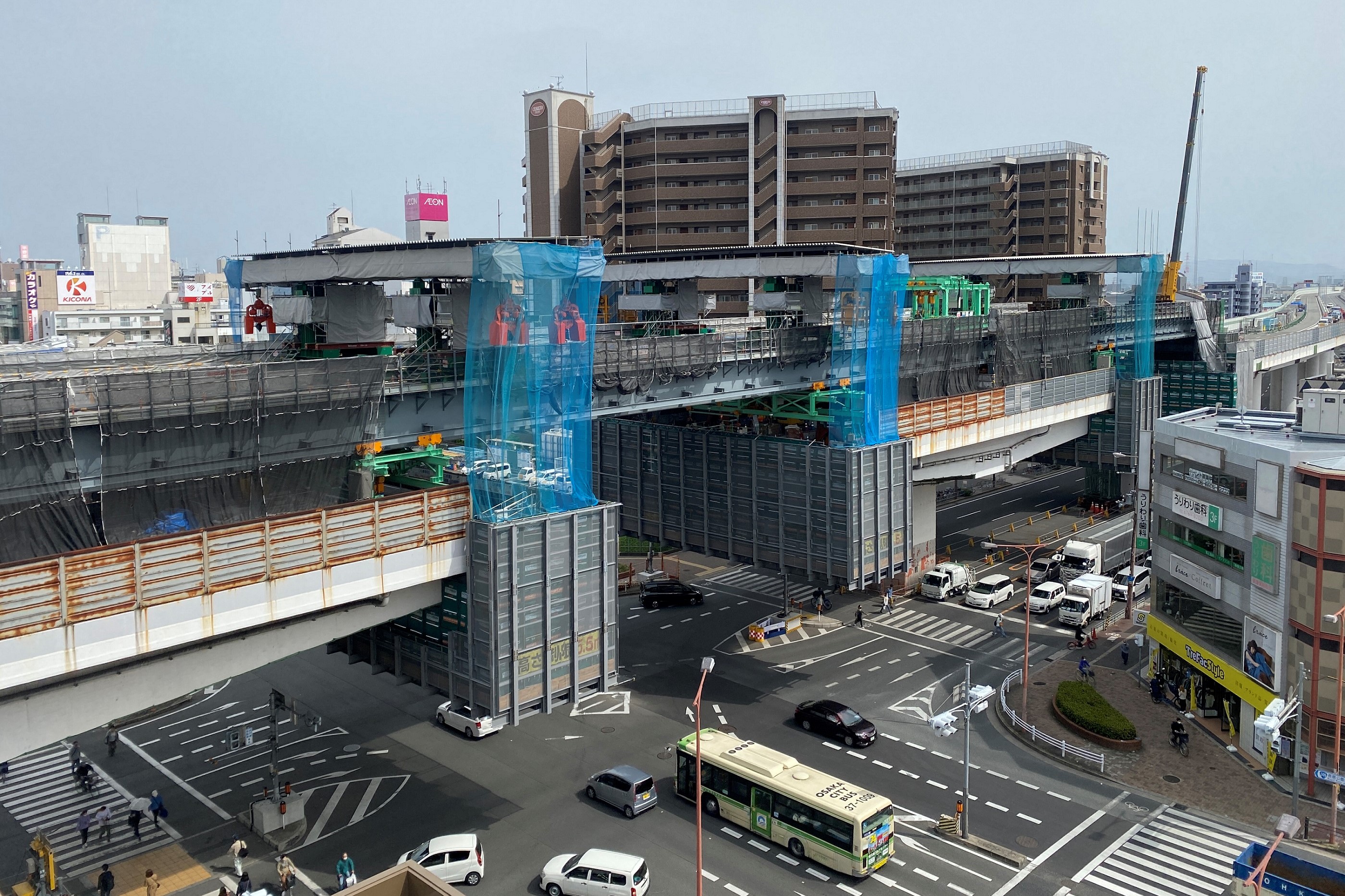
The Kire-Uriwari Bridge is a PC 3-span continuous hinged box girder bridge. Due to degradation from aging, it has been decided to remove the PC box girder and construct a new continuous bridge in its place.
The most challenging aspect of this project is the intersection located underneath the bridge, which experiences a daily volume of 70,000 vehicles and a significant number of pedestrians. Additionally, it is situated in close proximity to large commercial facilities and a subway station. Consequently, there was a need for a new method that would allow work to be carried out without obstructing traffic.
We innovated the removal technique “Over-the-Bridge Removal Method” which enabled the major processes to be accomplished in the air. With this method, we were able to remove approximately 5,000 tons of PC box girders safely within a brief period of five months.
7. U-turn construction of a large-section shield tunnel exceeding 15m diameter.
- East Nippon Expressway Co.,Ltd. Kanto branch Yokohama construction work office.
- TAISEI Corp.
This project constructs a 1.3km super large shield tunnel with a 15.0m diameter as part of the Yokohama Circular South Line. Using a single machine, two parallel tunnels will be constructed using a U-turn method. This process involves reaching the rotation shaft, withdrawing and rotating, and resuming construction. Selection and planning of the movement and rotation methods are crucial, given that it is the largest in the country. The methods employed in this project not only contribute to similar future projects but also demonstrate the adoption of FFU in soil retaining walls through the development of cuttable anchors. These advancements will enhance productivity in various civil engineering projects in the future, warranting praise.
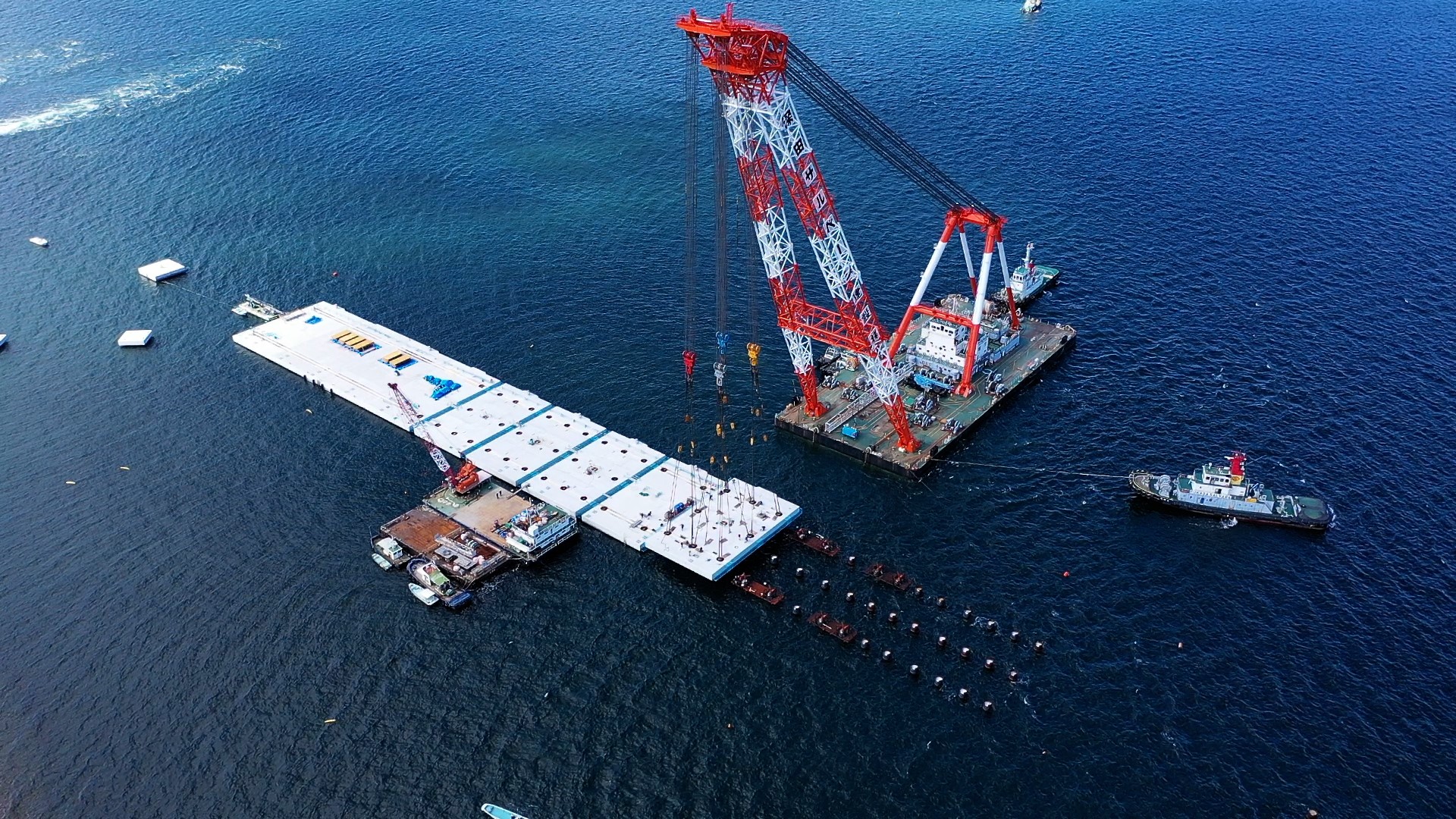
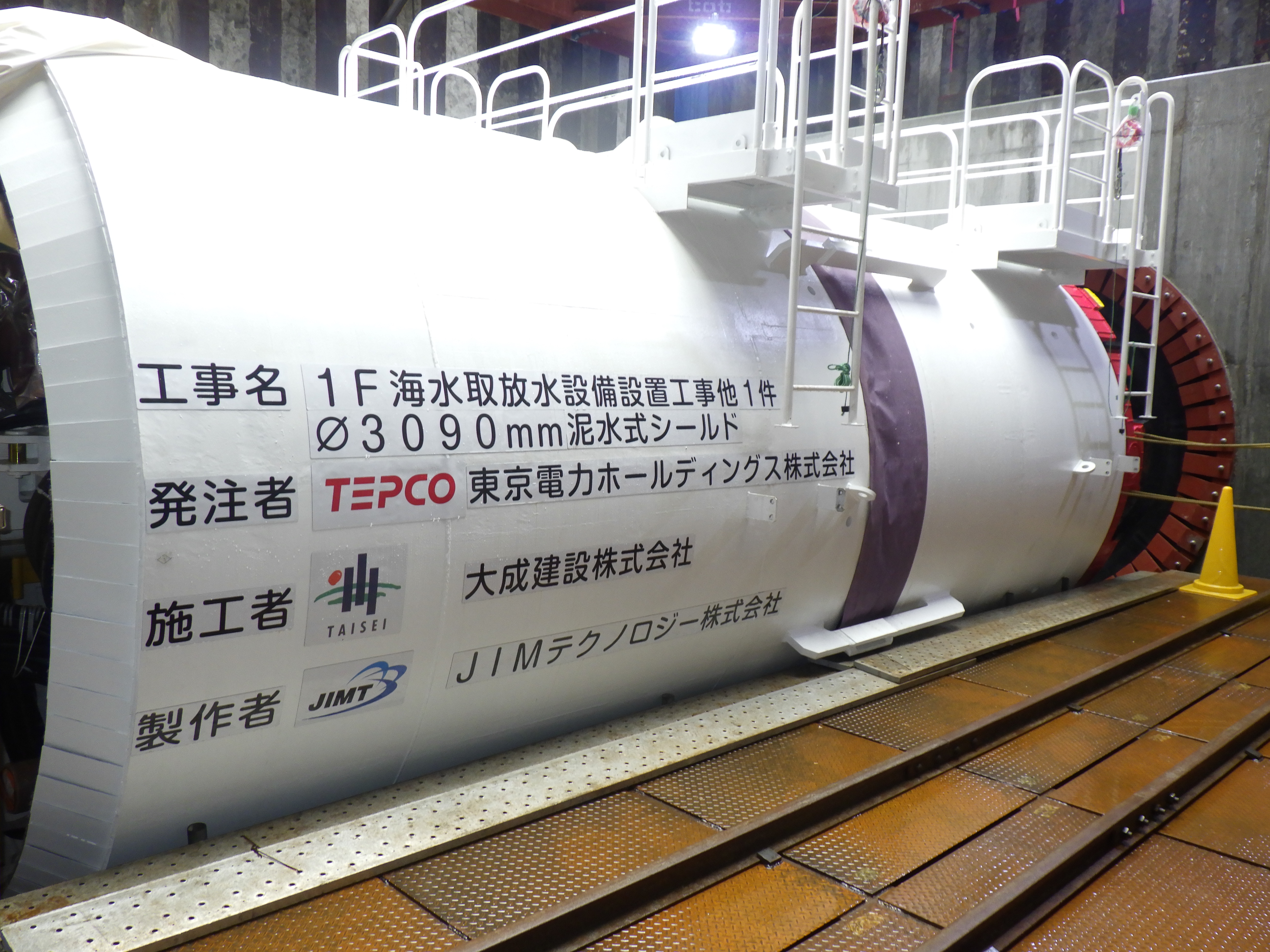
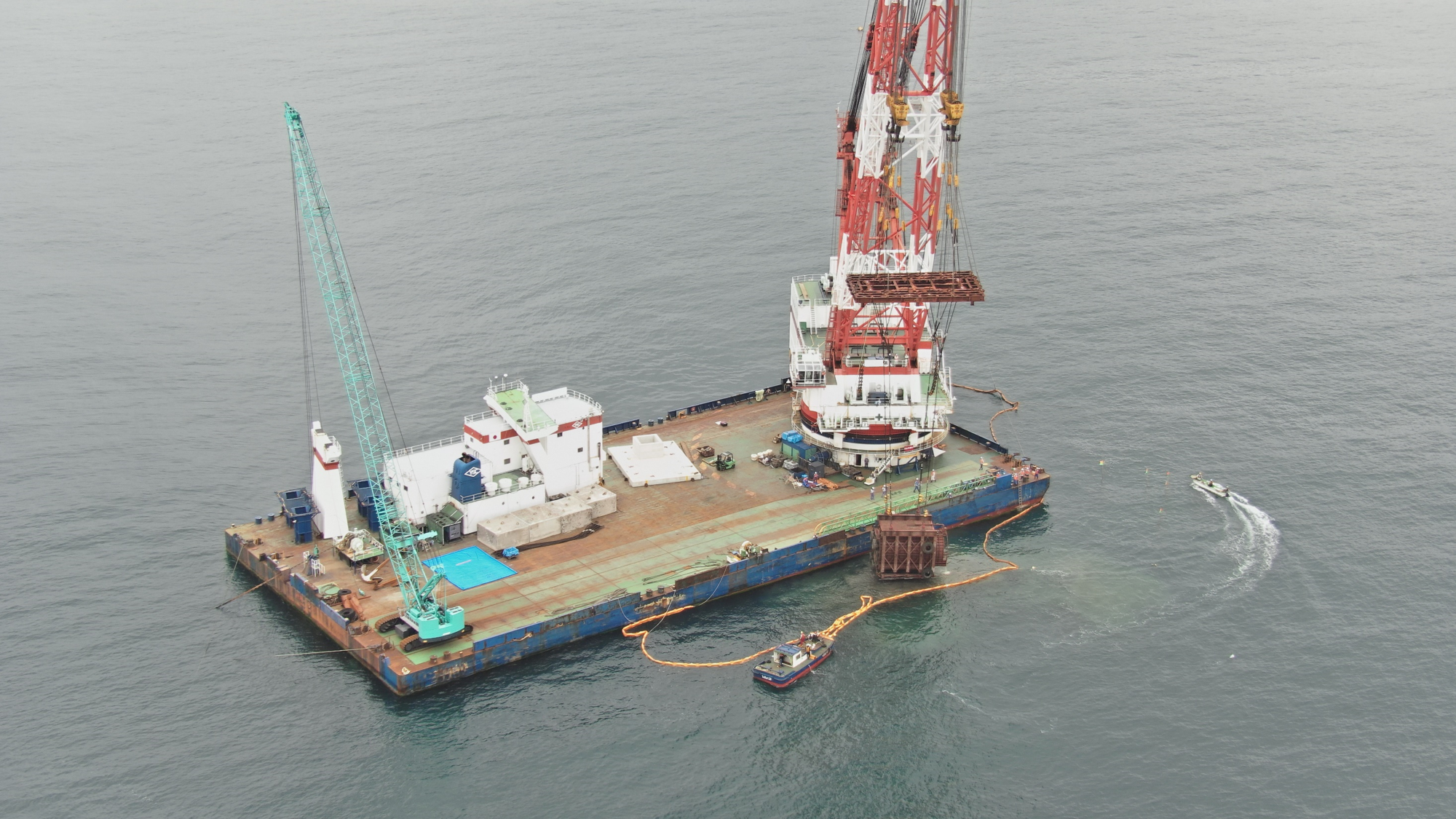
8. Completion of undersea shield tunnel and other water discharge facilities that accommodated construction conditions with many work restrictions (the project that installed ALPS Treated Water Dilution/Discharge Facility of Fukushima Daiichi NPS)

- Tokyo Electric Power Company Holdings, Inc.
- Taisei Corp.
In the project, a significant reduction in construction period was required under the following work restrictions:
1) It had to be carried out under severe sea conditions.
2) An unprecedented method was required to process the reach of a shield tunnel under the deep seabed and offshore.
3) Work efficiency was extremely low due to radiation control restrictions.
Therefore, we implemented the following advanced measures to the construction process and structures:
a) A precast caisson for water outlet with a cylindrical bulkhead
b) Special underwater non-separable mortars
c) Earthquake-resistant precast structure and factory-made reinforcing bars
Through the implementations, we succeeded in shortening the overall work process by approximately nine months from the original plan.
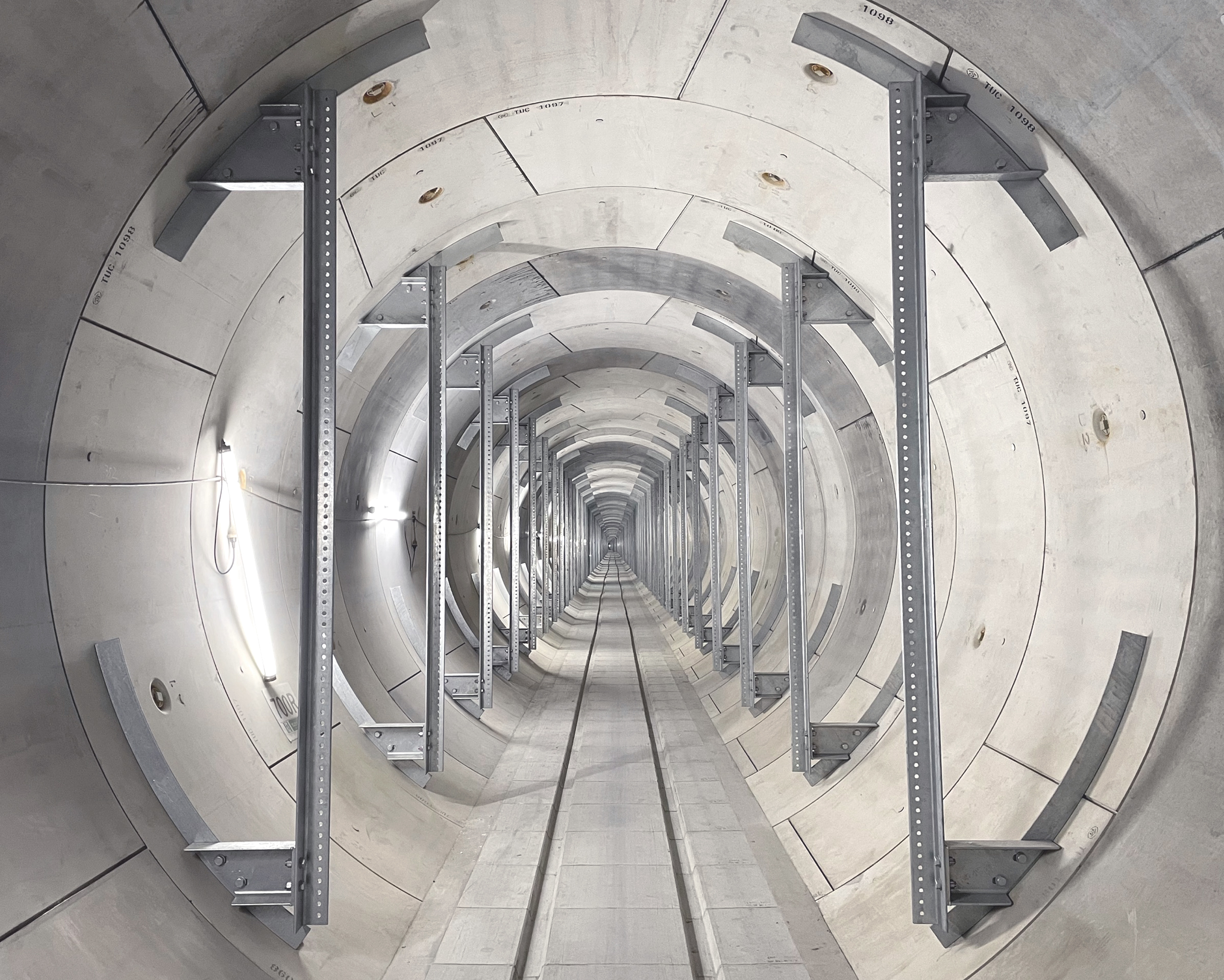
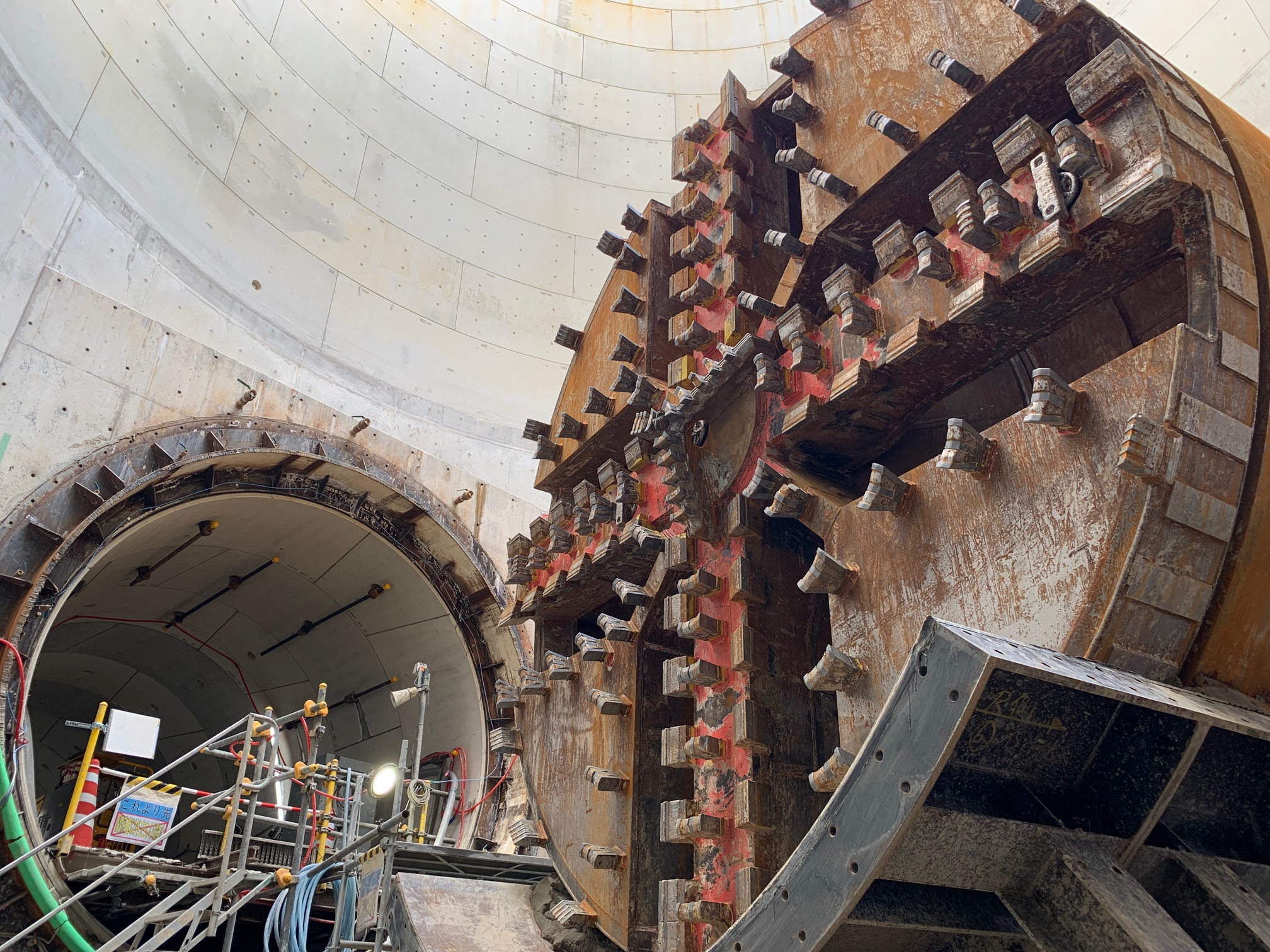
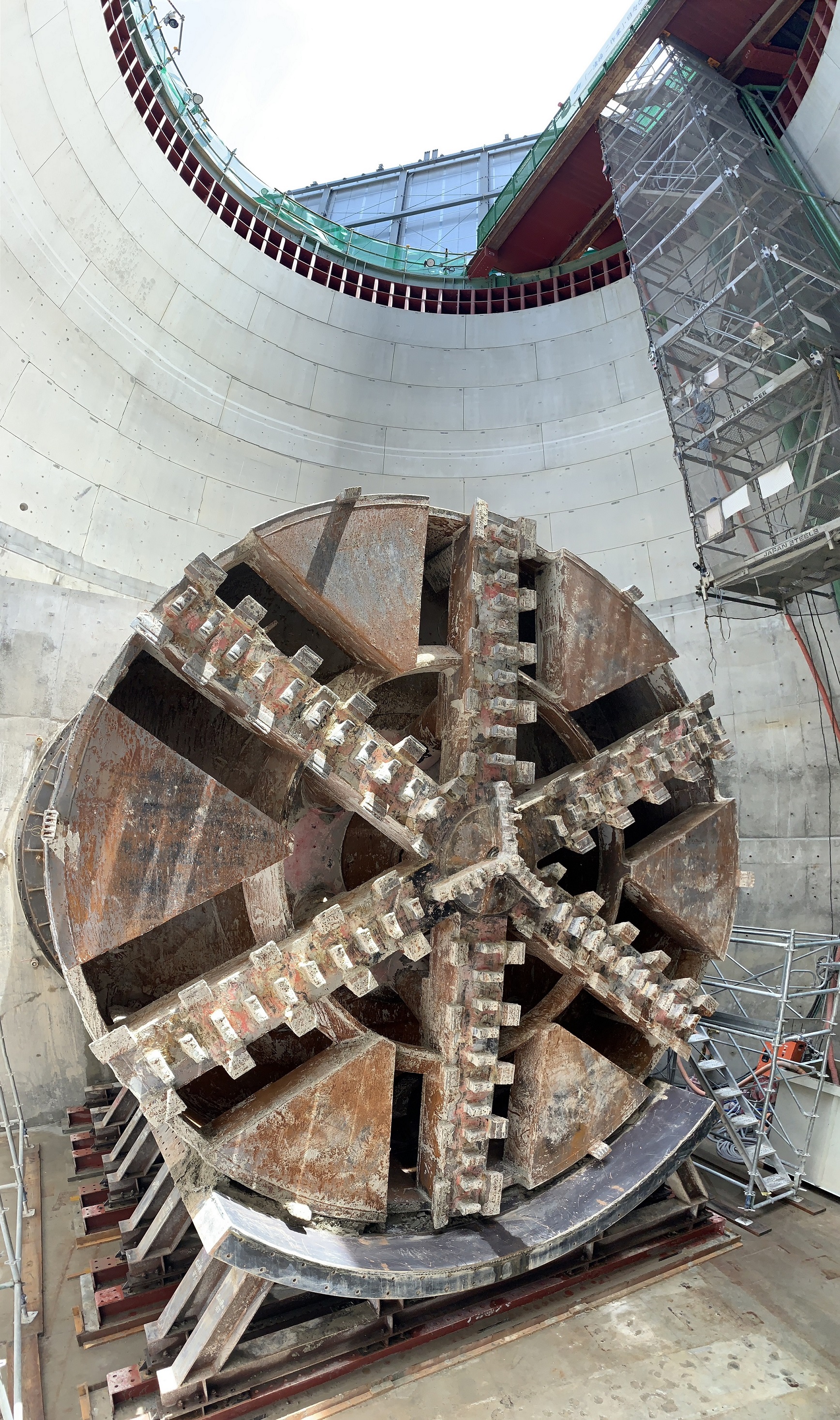
9. Construction of a shield tunnel in collapsible sandy soil within an extremely short period.
- Transmission & Substations Construction Center Transmission Department TEPCO Power Grid,Inc.
- Joint Venture of Taisei Corp., Sato Kogyo Co.,Ltd, Daiho Corp.
Constructing electrical power cable tunnels (length: 12.1km, inner diameter: 3.3m-4.8m) in collapsible sandy soil, achieved halving the program. Ensuring stability at cutter-face with high-speed construction, slurry earth pressure compound shield method was adopted. Excavated rapidly using slurry while switching to earth pressure when detected collapse signs, resulting in an average excavation speed of 67mm/min and a maximum progress of 663m/month, meeting the deadline. Above data was used as quantitative management indicators for the subsequent construction and confirming its usefulness. Shortening the program also employed: 1)RC Urban Ring method for shafts, 2)KECOM segment method for ventilation holes, and 3)precast products for shaft top plates and invert. Reduced CO2 emissions by 264 tons by using "T-e/Concrete (zero cement type)" for inverts.
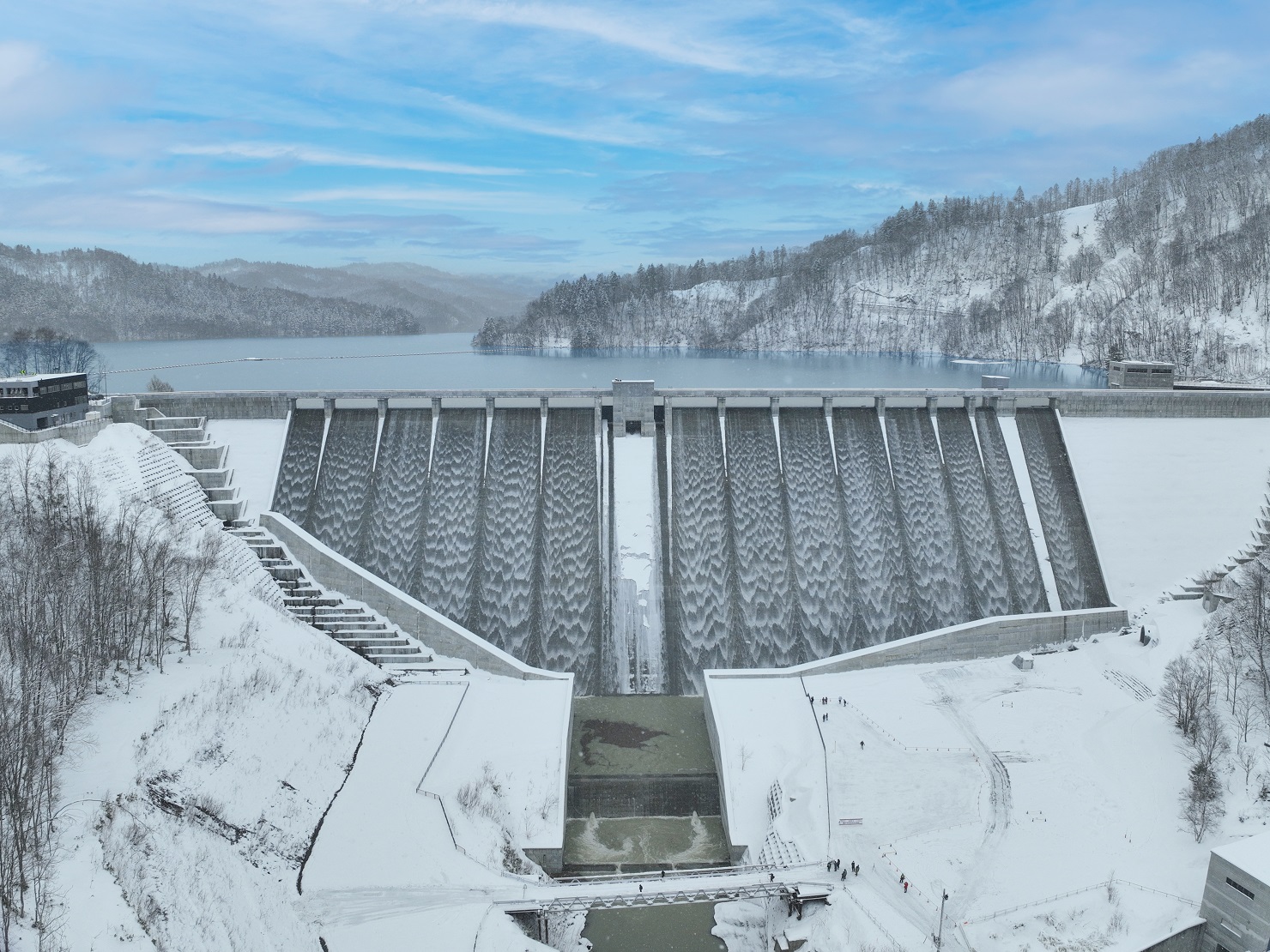
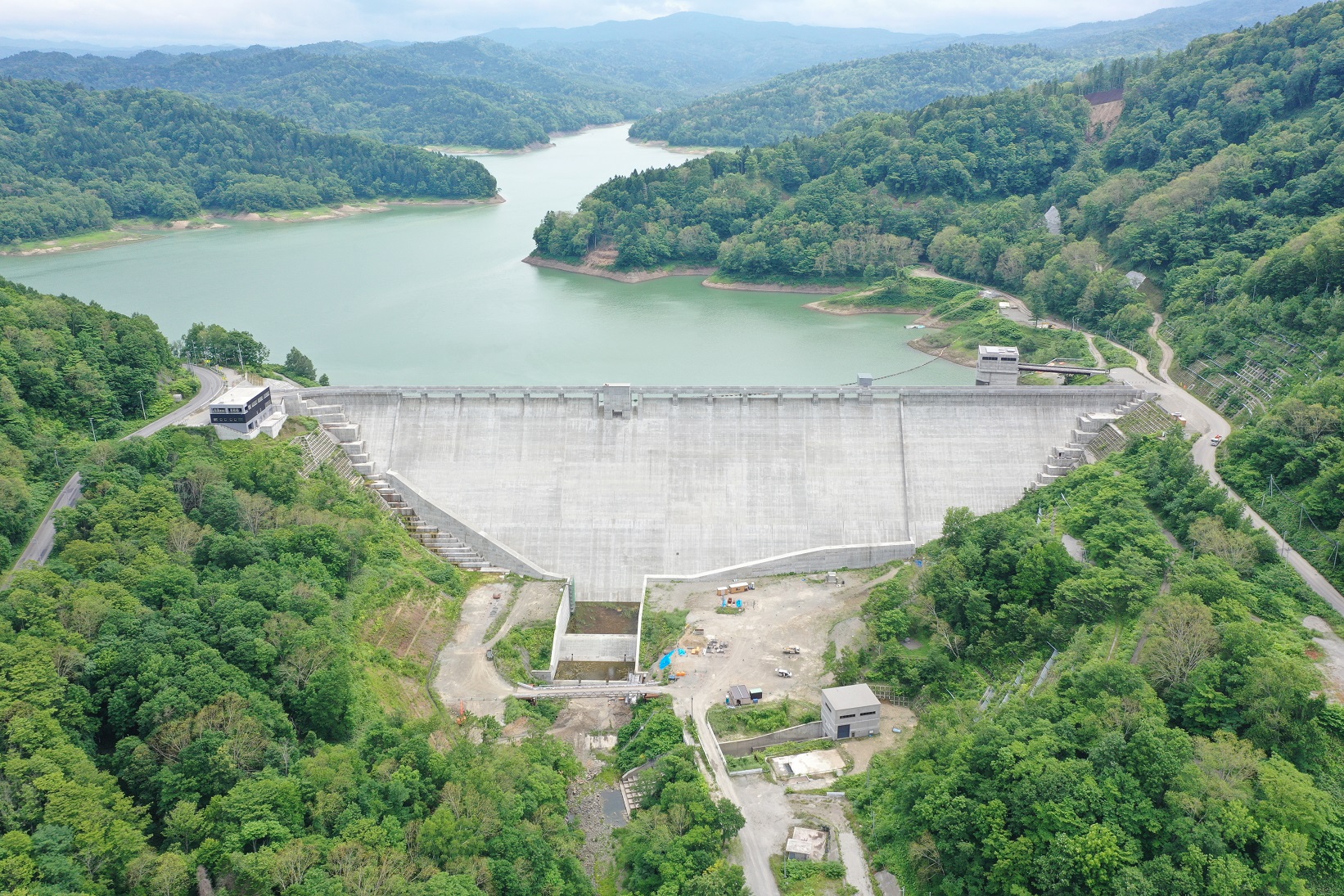
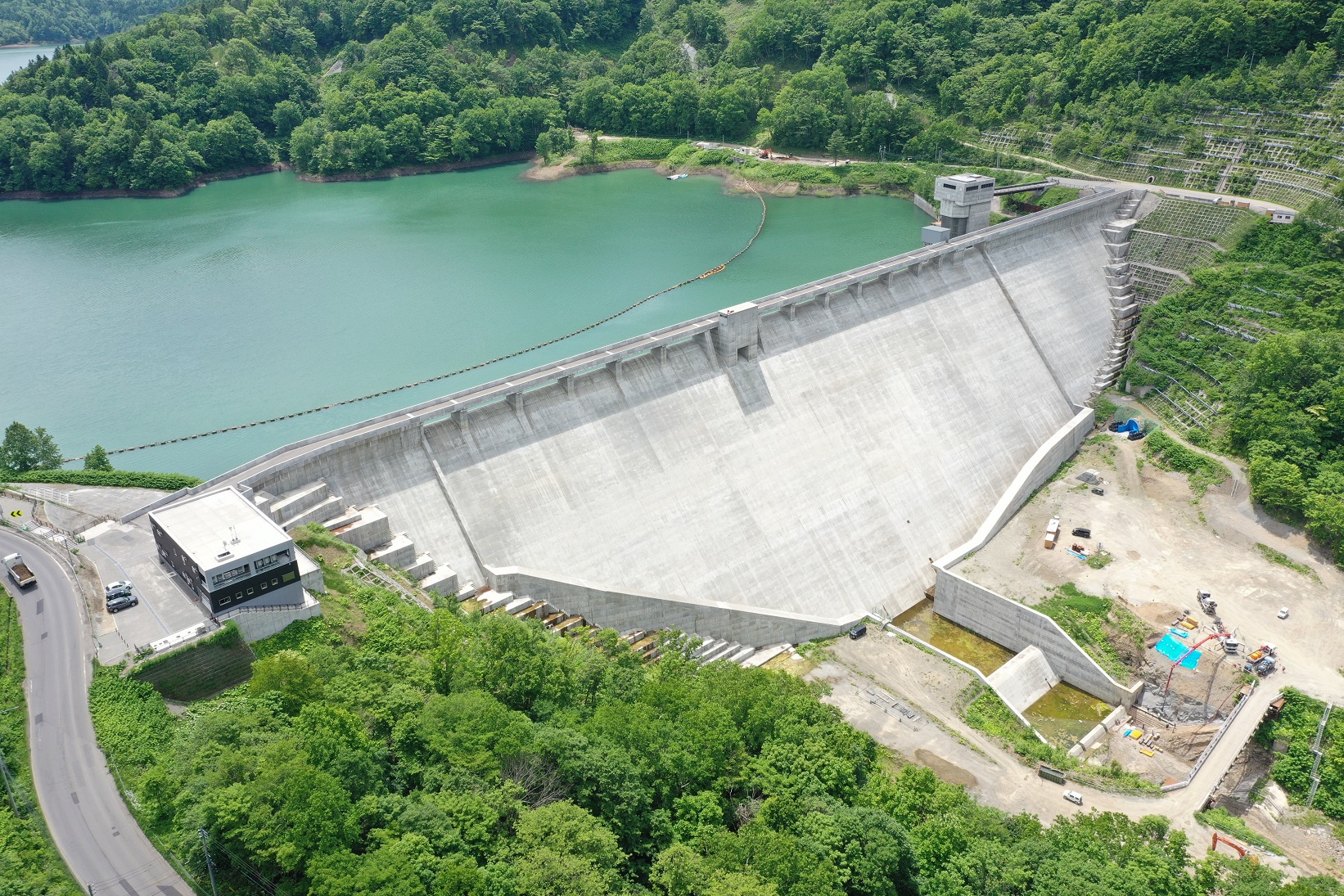
10. Technology of Redeveloping Concrete Dam by Coaxial Raising in Snowy and Cold Region-The Shin-Katsurazawa Dam construction-
- Ikushunbetsugawa-River Dam Project Office,Sapporo Development and Construction Department, Hokkaido Regional Development Bureau, MLIT
- Kajima-Iwata Chizaki-Ito Joint Venture for The Shin-Katsurazawa Dam construction
The Shin-Katsurazawa Dam is a redevelopment dam that is raised on the same dam axis as the existing embankment under the severe weather conditions of a snowy and cold climate.
In this construction, the impact on the existing dam due to vibrations etc. was minimized by using a "wedge-shaped special chisel cracking method". In addition, for the first time in civil engineering, vacuum insulation was used in the curing of the overwintered surface to integrate the new and old concrete.
The results of this work are highly regarded as a significant contribution to the development of the field of dam rehabilitation.
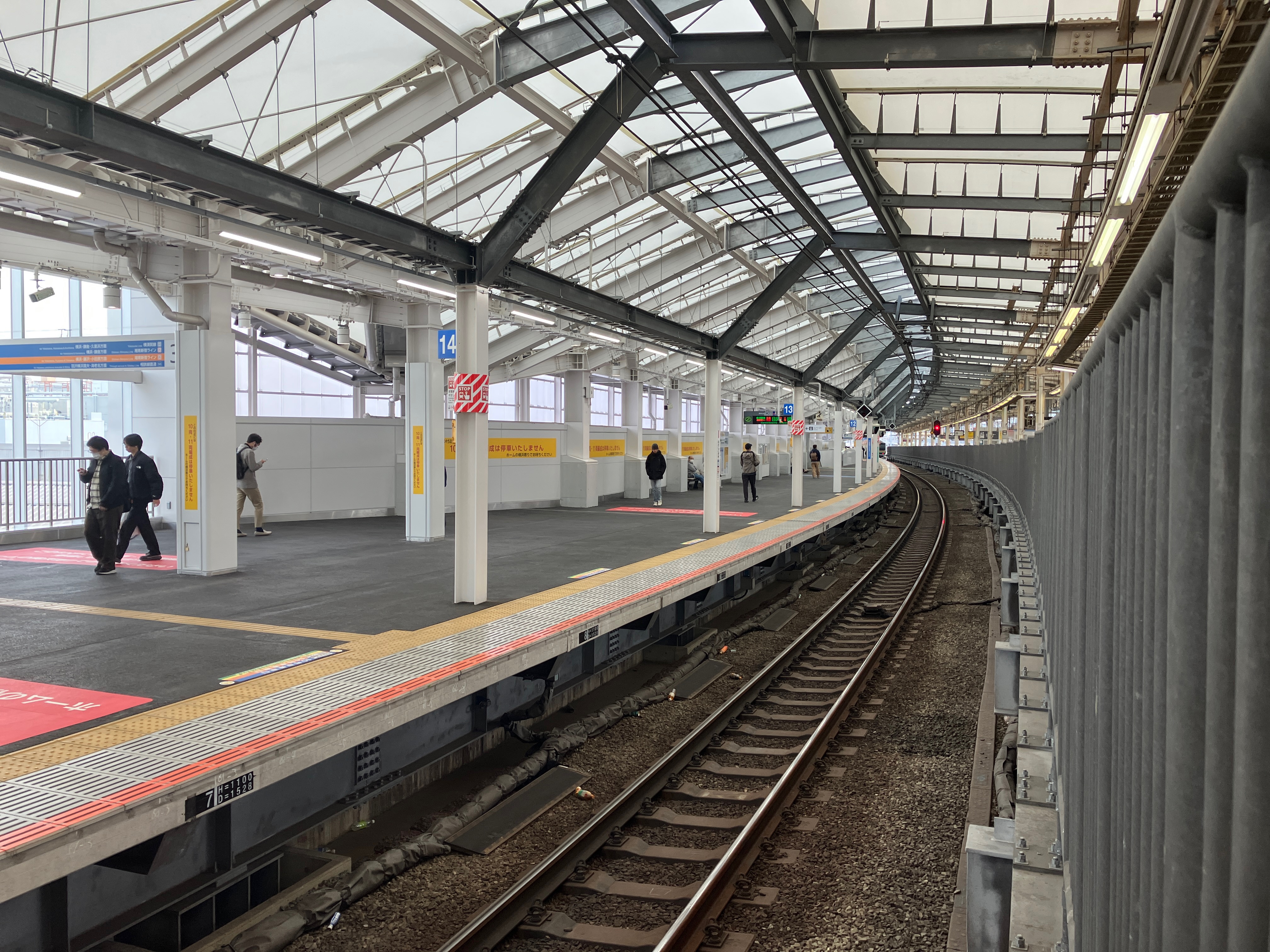
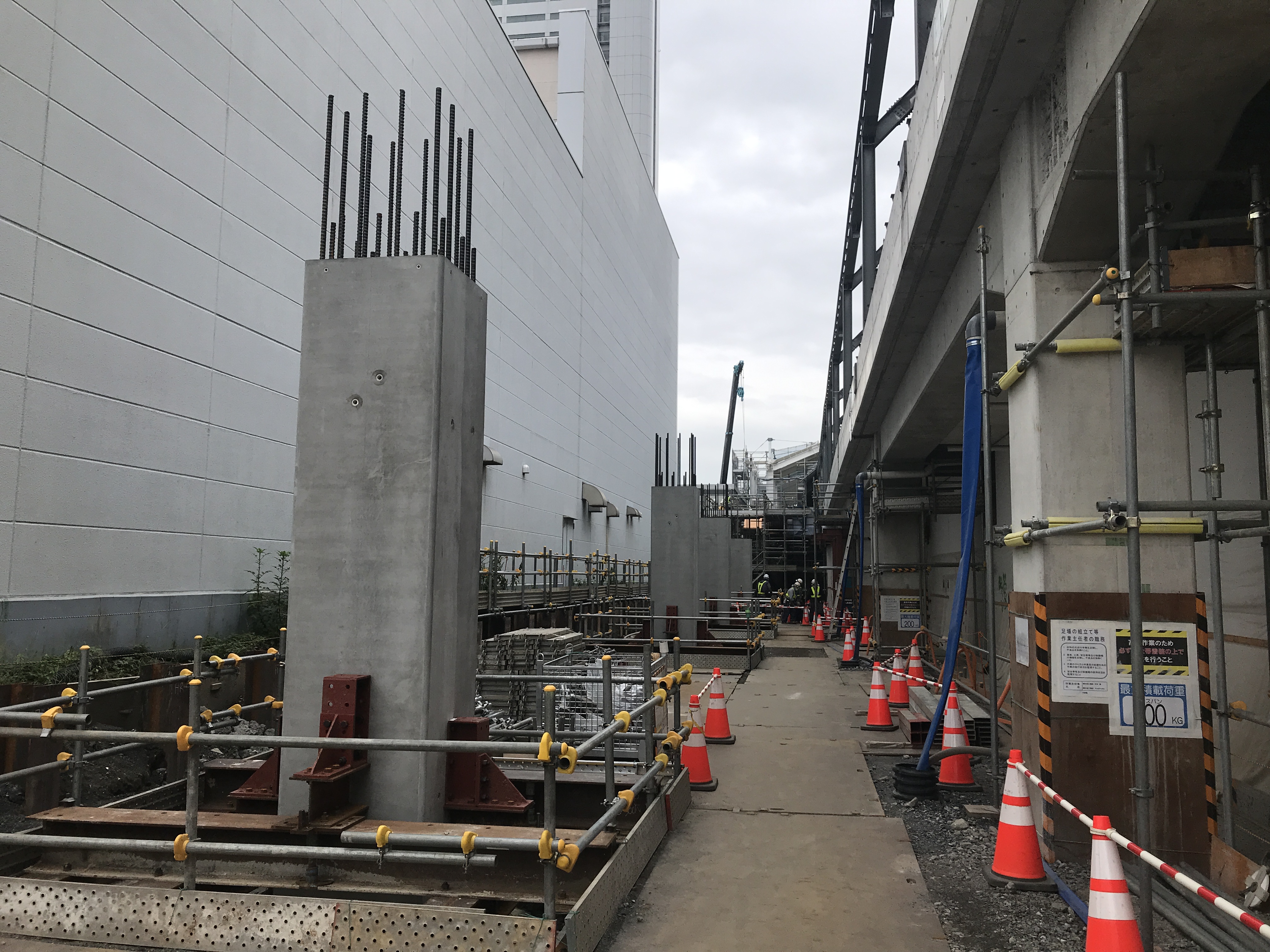
11.Early start of services of new platform constructed using smart project management
(Musashi-Kosugi Station Yokosuka Line 2 side-platforms for 2 tracks)
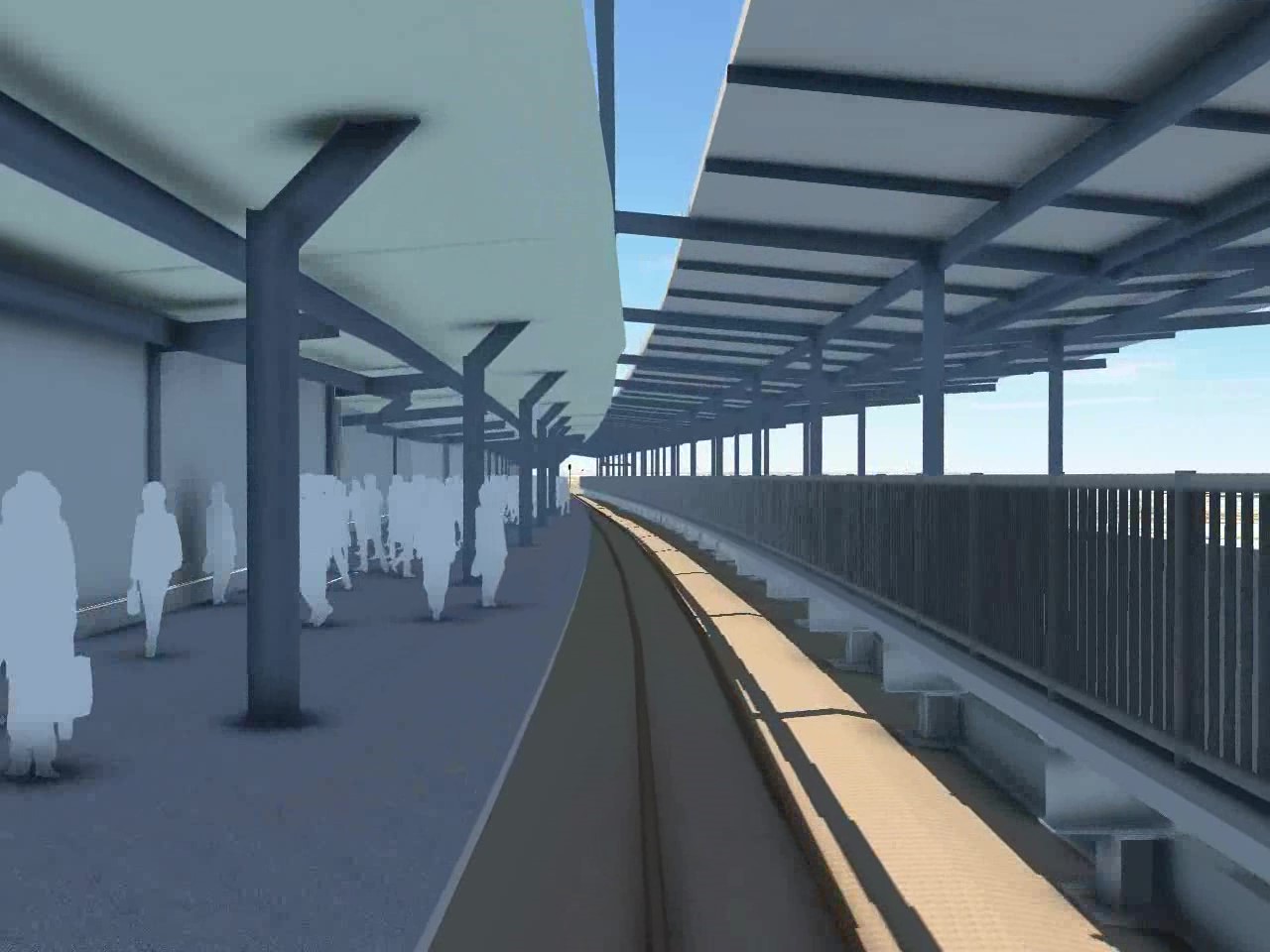
- East Japan Railway Company, Tokyo Metropolitan Area Construction Project Management Office
- OBAYASHI CORP.
- Joint Venture for Yokosuka Line Musashi-Kosugi Station for 2 side-platforms construction for 2 tracks
The Yokosuka Line platform at Musashi-Kosugi Station used to be extremely crowded and required urgent countermeasures.
Conventional planning and construction methods require a long period of time to build a new platform.
Thanks to various efforts such as use of 3D model at design and construction stages to achieve quick consensus among parties, use of ECI (Early Contractor Involvement) contract for efficient construction planning and use of precast concrete columns, the new platform construction was completed in a short period of time.
These efforts were pioneering examples in railway civil engineering and recognized to be worthy of a technical award.
[Group-2]
1. Madhumati Bridge Construction Works under the Cross Border Road Network Improvement Project - Infrastructure Development Project Contributing to the Growth of Wide-area Transportation Networks in Bangladesh
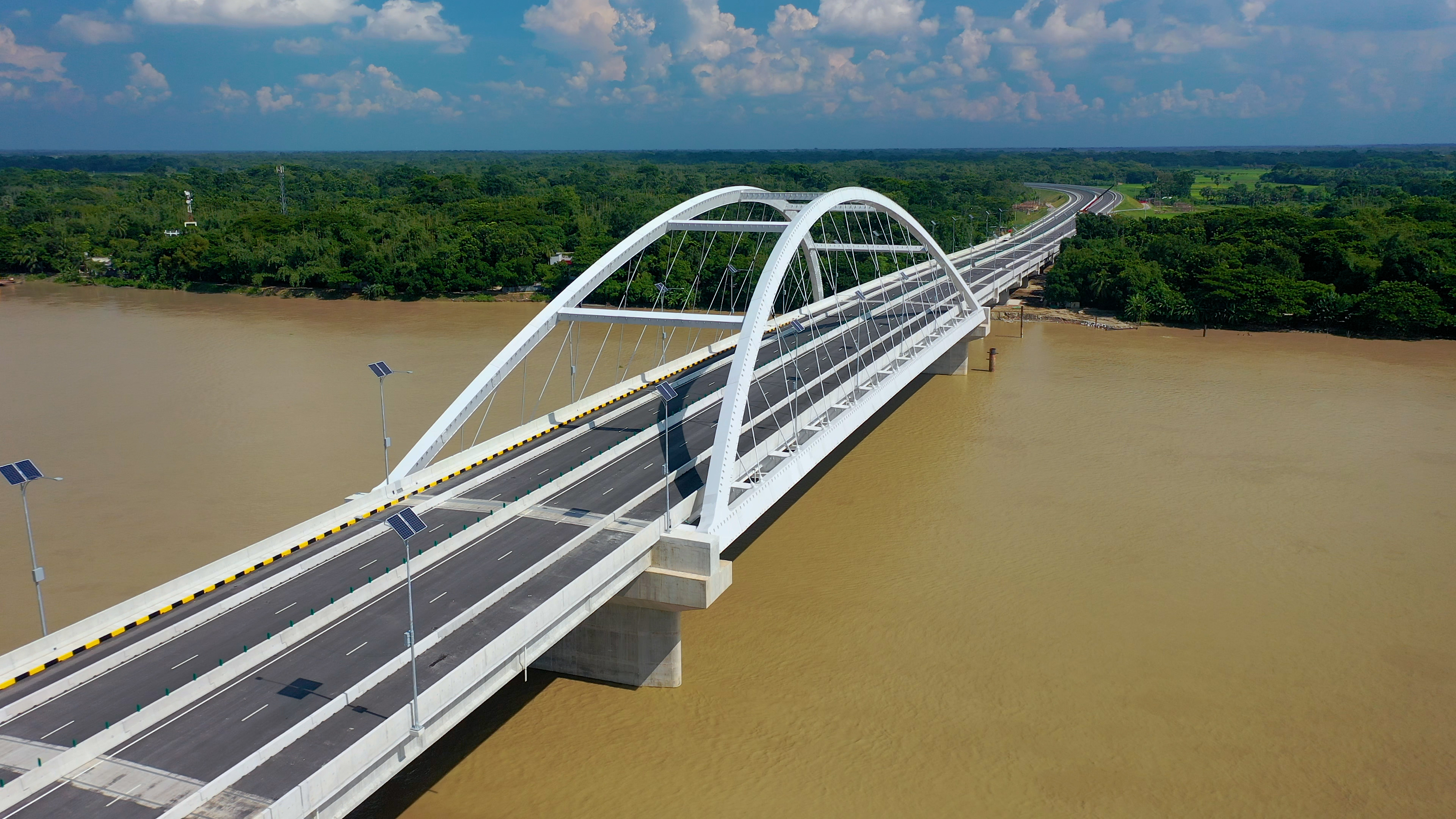
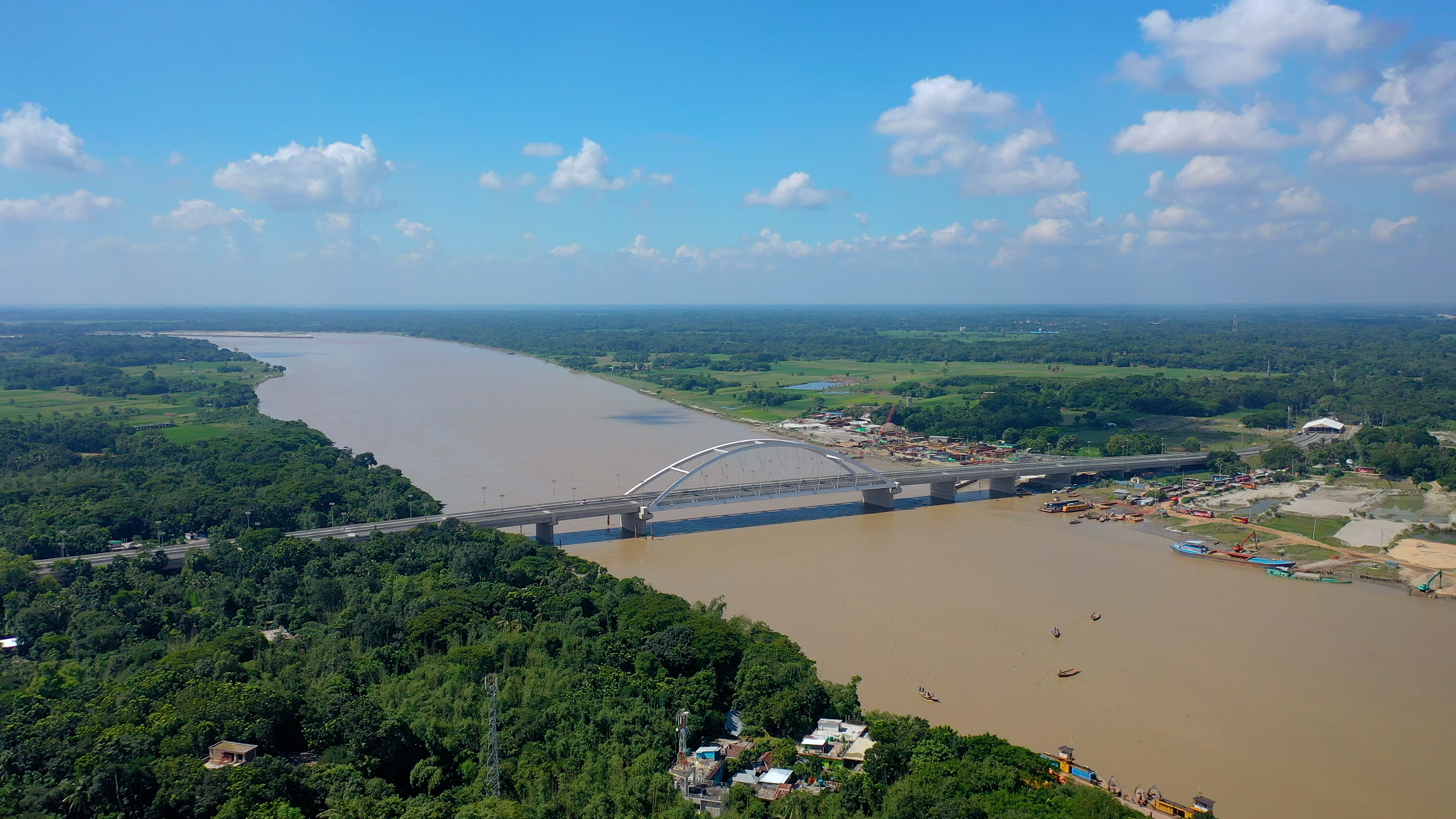
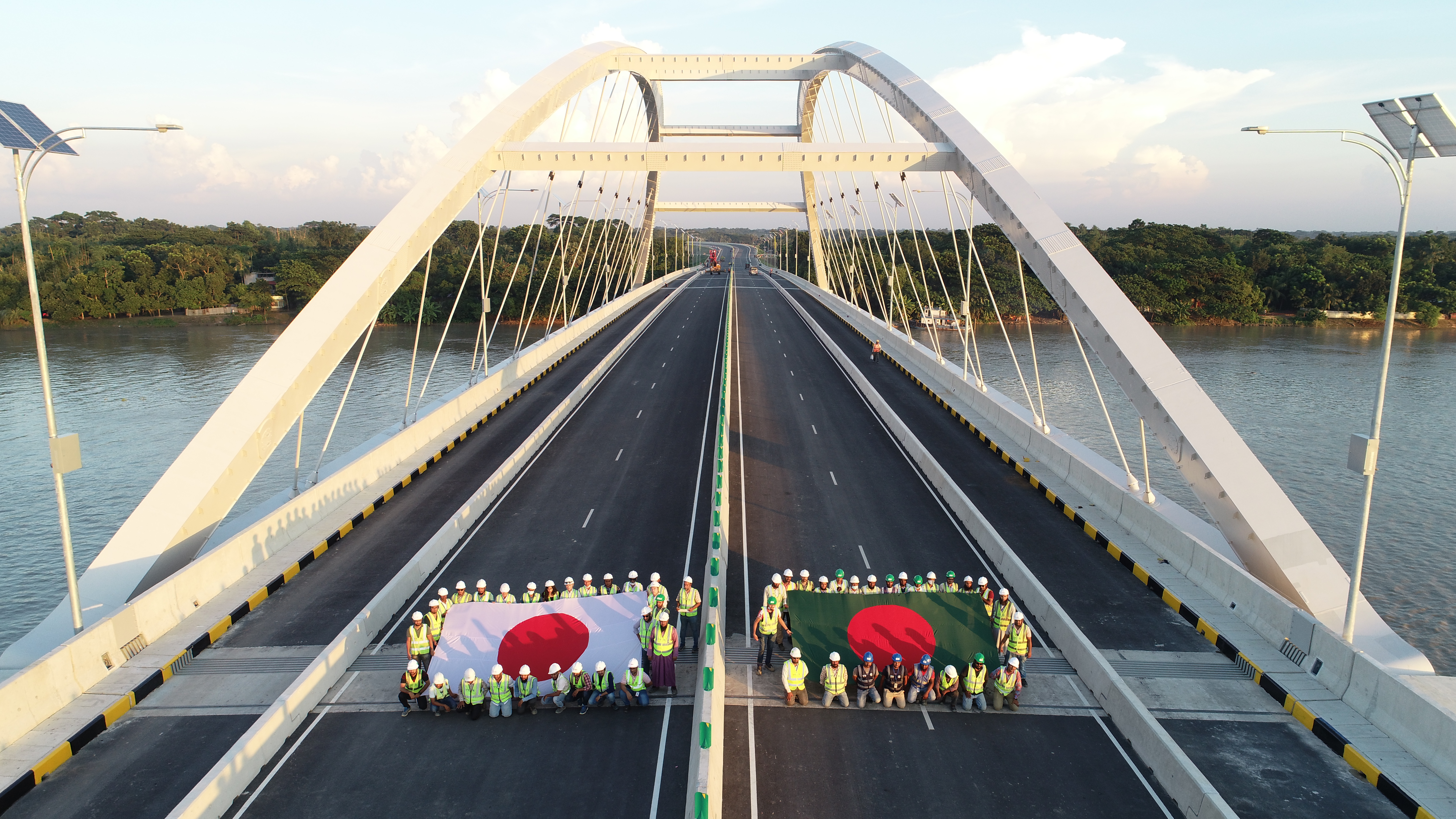
- People's Republic of Bangladesh, Road Transport and Highways Division, Roads and Highways Department
- Oriental Consultants Global Co., Ltd.
- Oriental Consultants Co., Ltd.
- PADECO Co., Ltd.
- TEKKEN Corp.
- Yokogawa Bridge Corp.
- Abdul Monem Ltd.
The Cross Border Road Network Improvement Project aims to improve economic stability and development in the South Asian region by enhancing Bangladesh's international arterial highway network. The project includes the Madhumati Bridge, a 6-lane, 690 m-long bridge that spans the Madhumati River, a tributary of the Ganges River in Bangladesh. This bridge, first-of-its-kind in Bangladesh, adopts the steel Nielsen Lohse type superstructure, renowned for its effectiveness in Japan. It eliminates the missing link on the Benapole-Dhaka section of Asian Highway 1, strengthening regional connectivity. Despite delays due to land acquisition, COVID-19 supply chain disruptions, and heavy monsoon rains, faster superstructure erection methods and strict quality control management enabled the bridge opening three months after Padma Bridge, reducing travel times and boosting economic and social development. This high-quality infrastructure project exemplifies technical competence including utilization of Japanese technology, and social impact, meriting a technical award.
2.Bridge renewal project of the Chuo Expressway between Nakatsugawa IC and Sonohara IC
- Central Nippon Expressway Co.,Ltd. Nagoya branch
- Obayashi Corp.
- Joint venture of Obayashi Corp. and JFE engineering Corp.
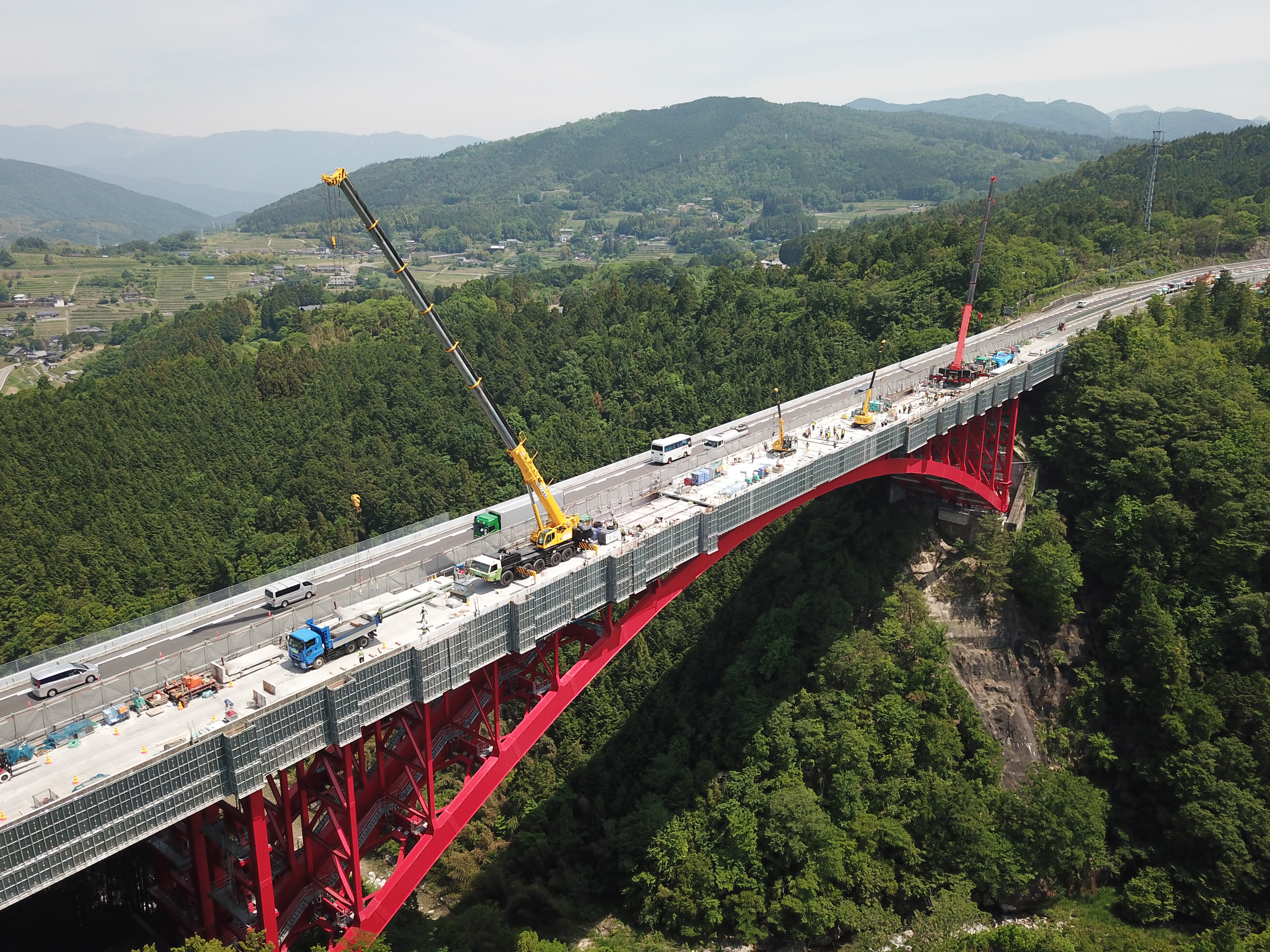
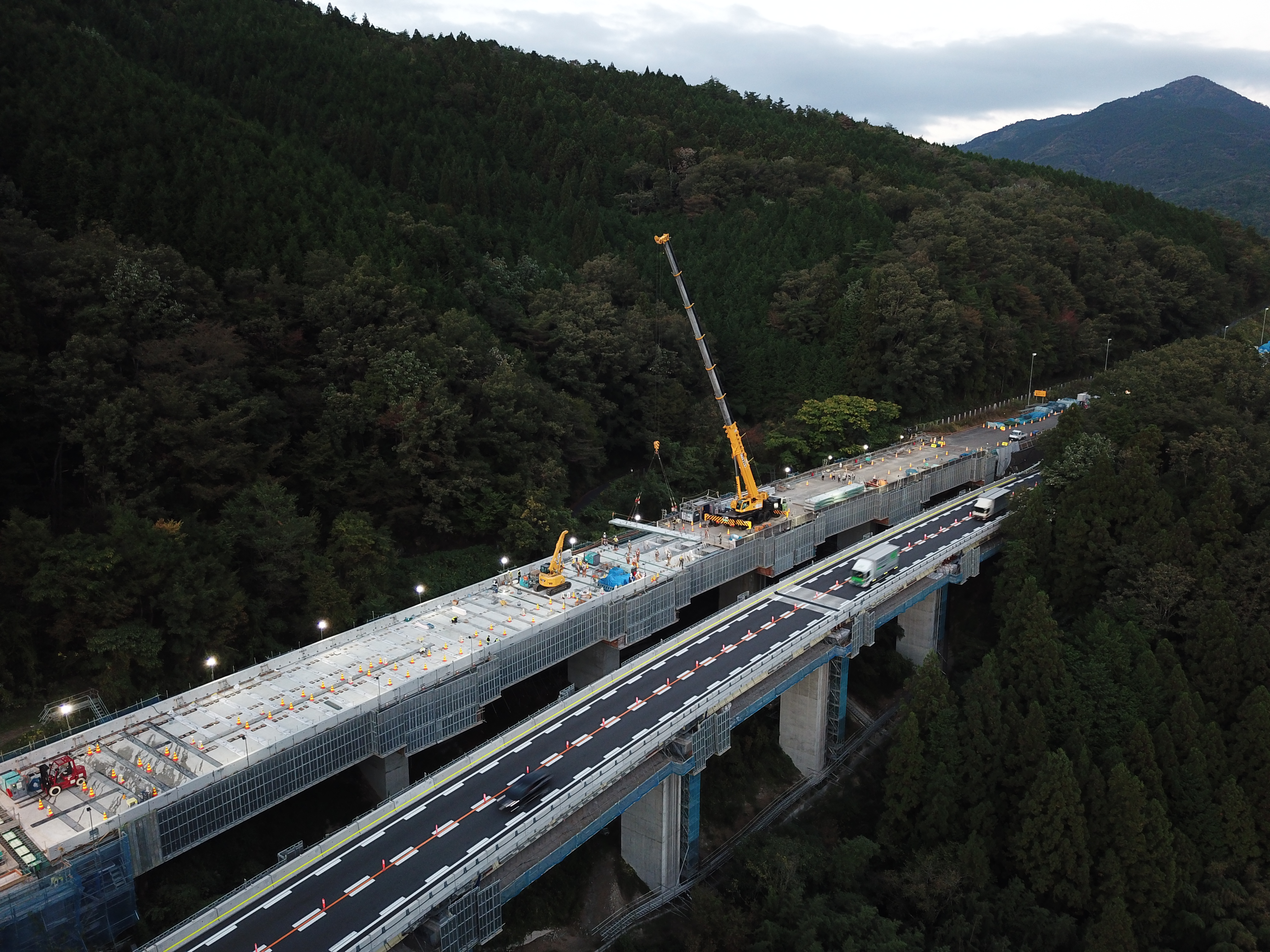
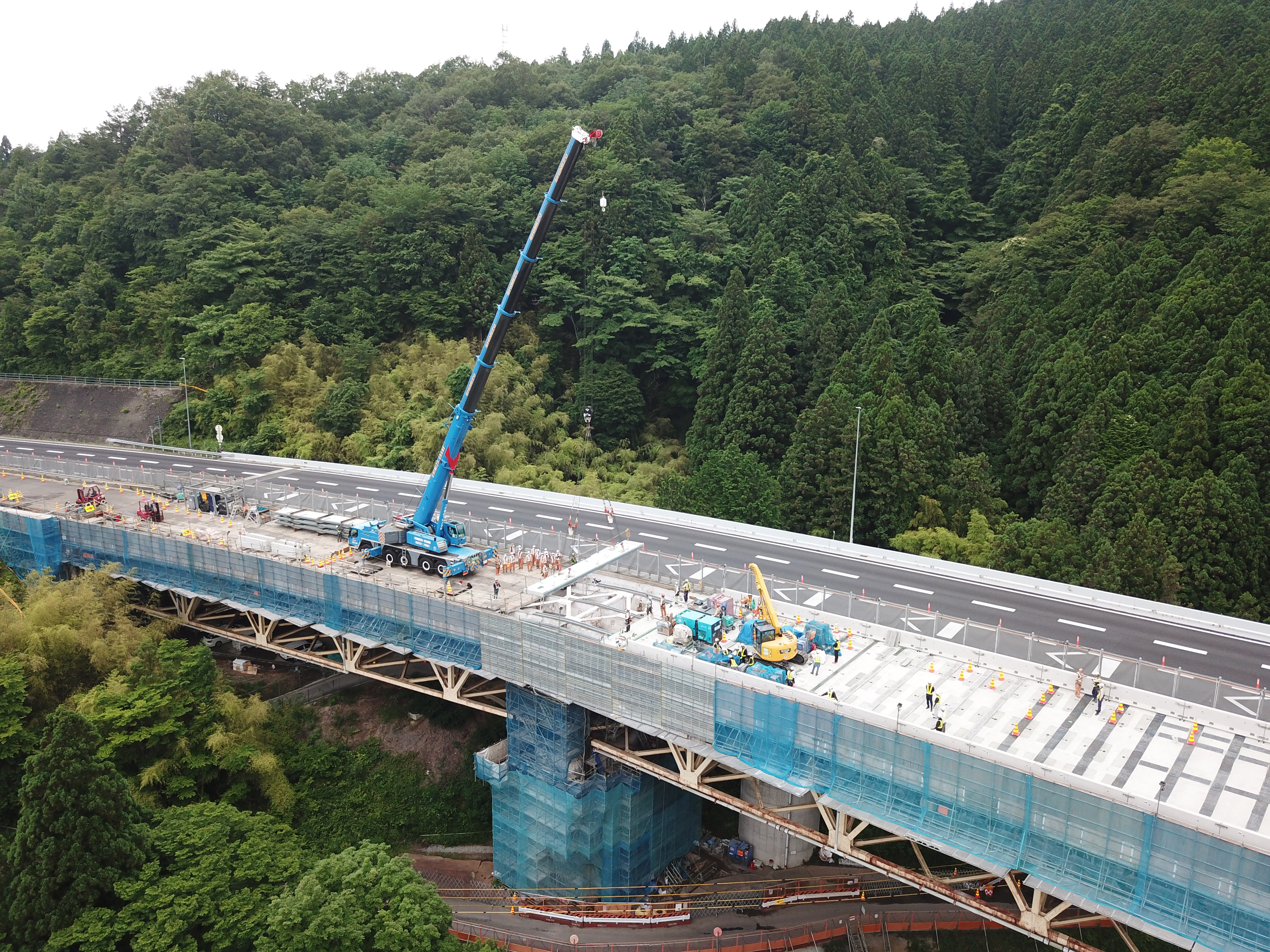
This project is a bridge renewal project for a total of 8 bridges located in the mountainous areas of the Chuo Expressway. After approximately 50 years of use, the deteriorated bridge decks due to the increased of heavy vehicle traffic and the use of the anti-freezing agents were to be replaced.
In consideration of the social impact due to traffic restrictions with a total length of 4 km, the optimal construction sequence and combination with applying precast concrete techniques were set, and the renewal work for a total length of about 1.5 km was completed in 6 years.
3. Construction of Aigawa Dam
(A suburban dam that is in harmony with people and the natural environment)
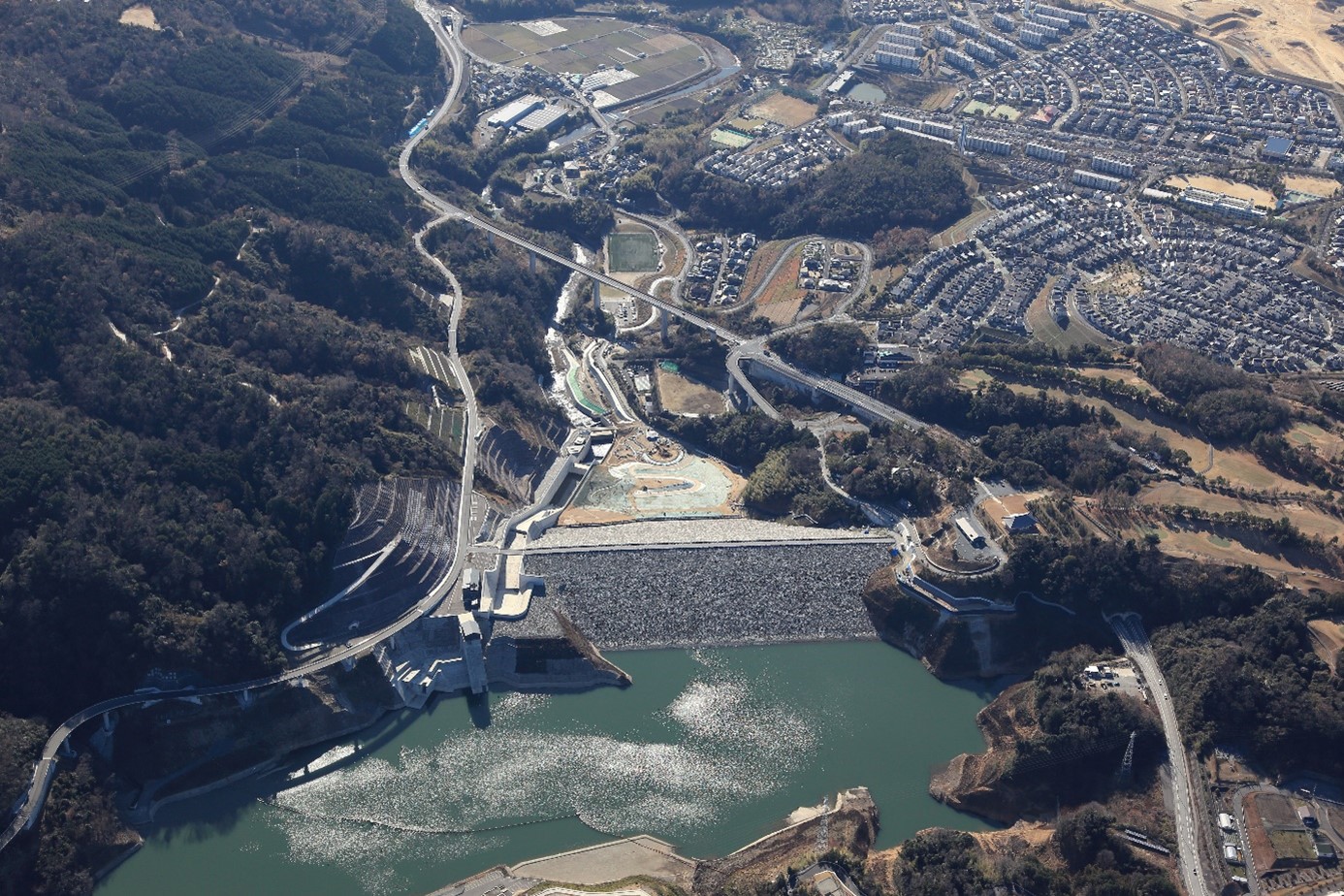
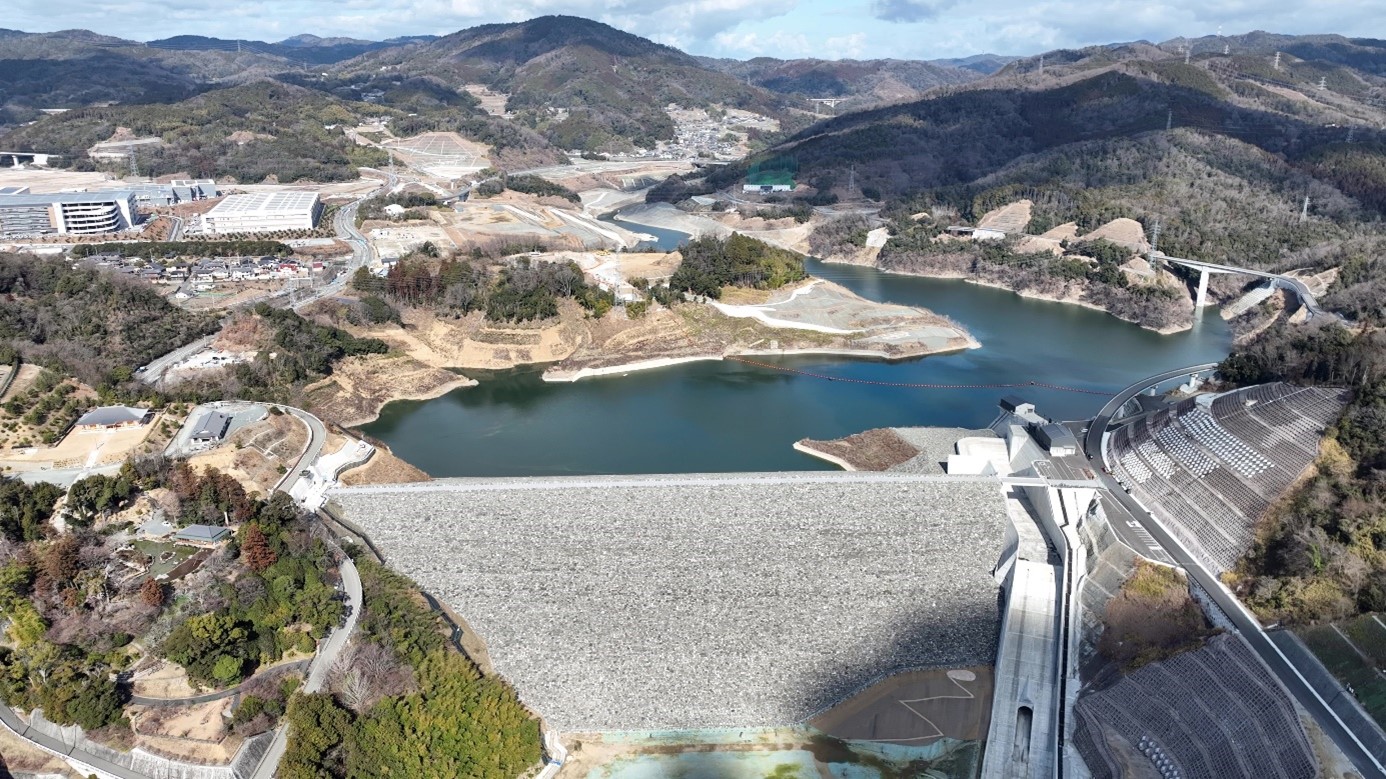
- Osaka Prefecture Awigawa Dam Construction Office
- Obayashi Co., Maeda Construction Industry, Okumura Co., Japan National Land Development Specific Construction Works Joint Venture
- NEWJEC,inc.
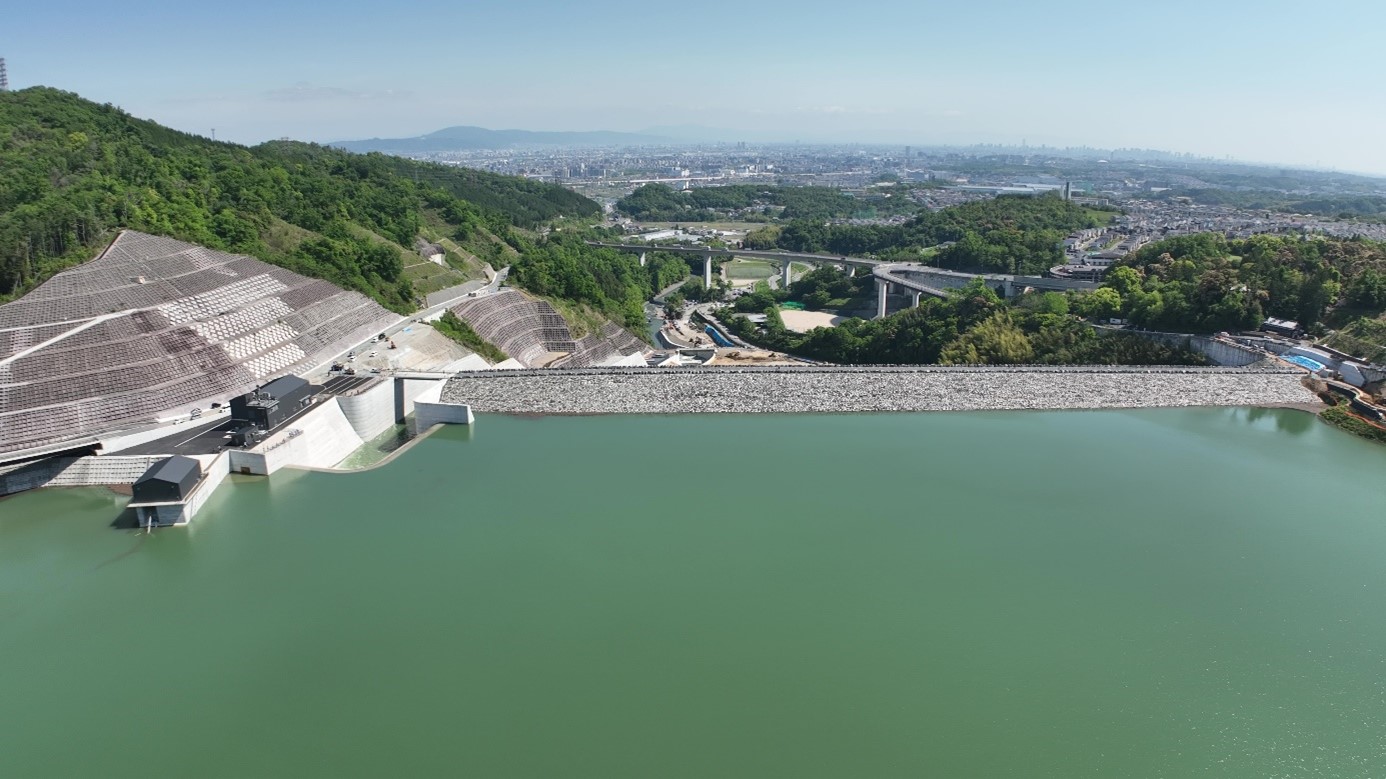
The Aigawa Dam, located in Ibaraki City in northern Osaka Prefecture, has extremely high flood control effects and is located near the city center, with many residents living around the dam.
On the other hand, since the site is located in a blessed natural environment with rare animals and plants living there, new knowledge and experience were utilized from the planning stage, and development was carried out in harmony with people and the natural environment for the future.
As a result, it was recognized as a representative example of next-generation dam projects for suburban areas, and was recognized as worthy of a technical award.
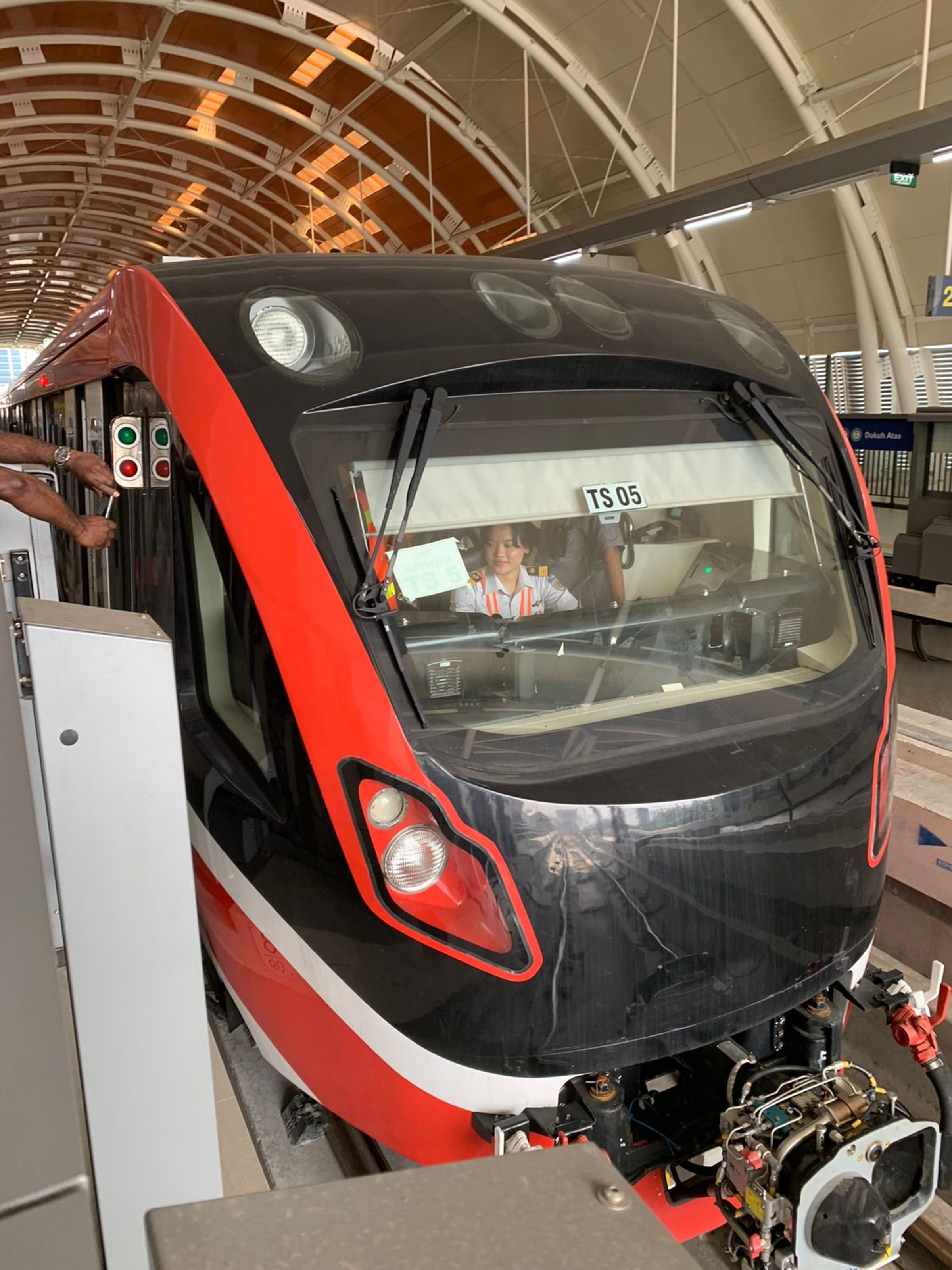
4. Consultancy Services for Supervision of Construction for Rail Transit (LRT) Integrated in Jakarta, Bogor, Depok and Bekasi
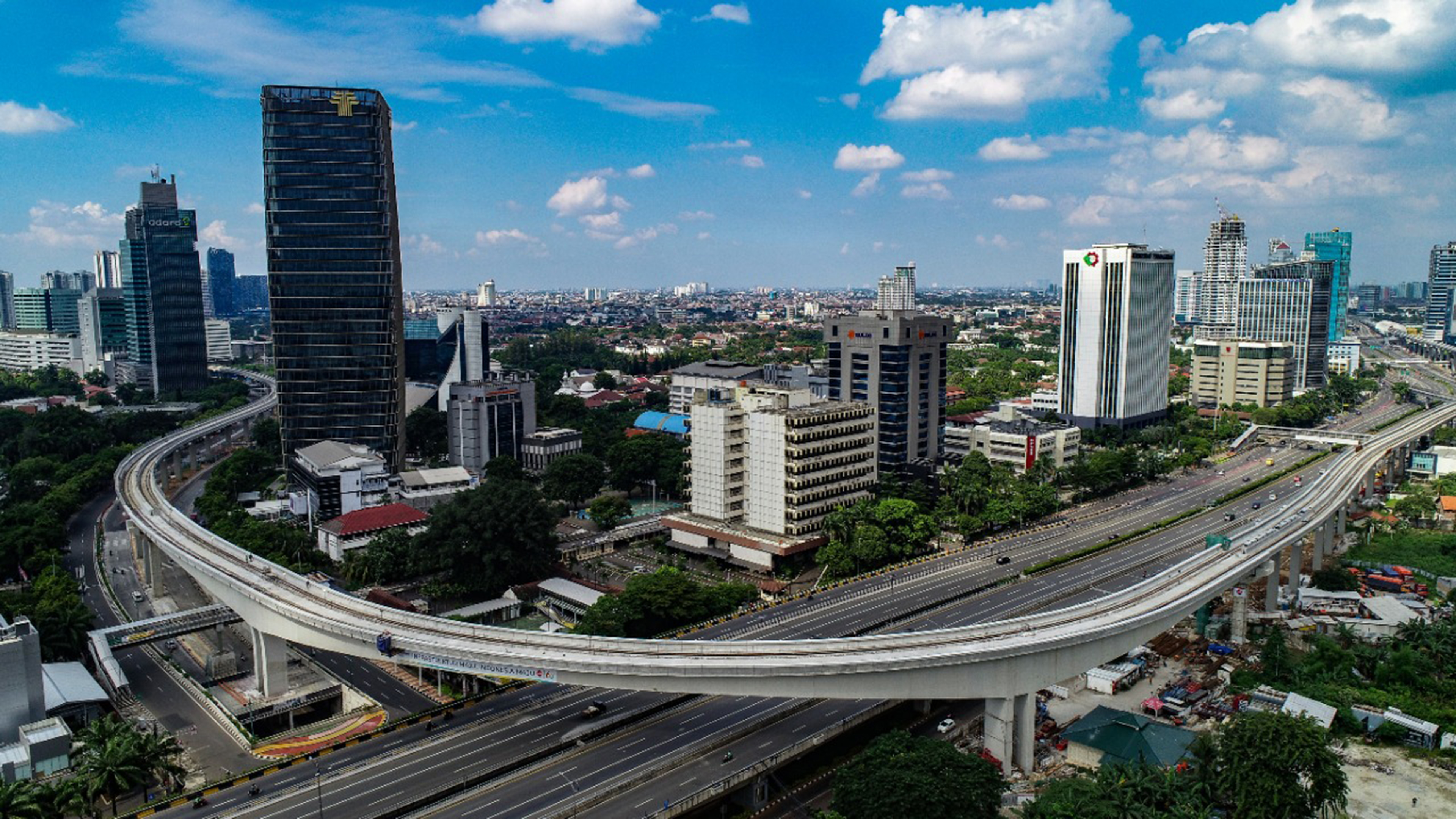
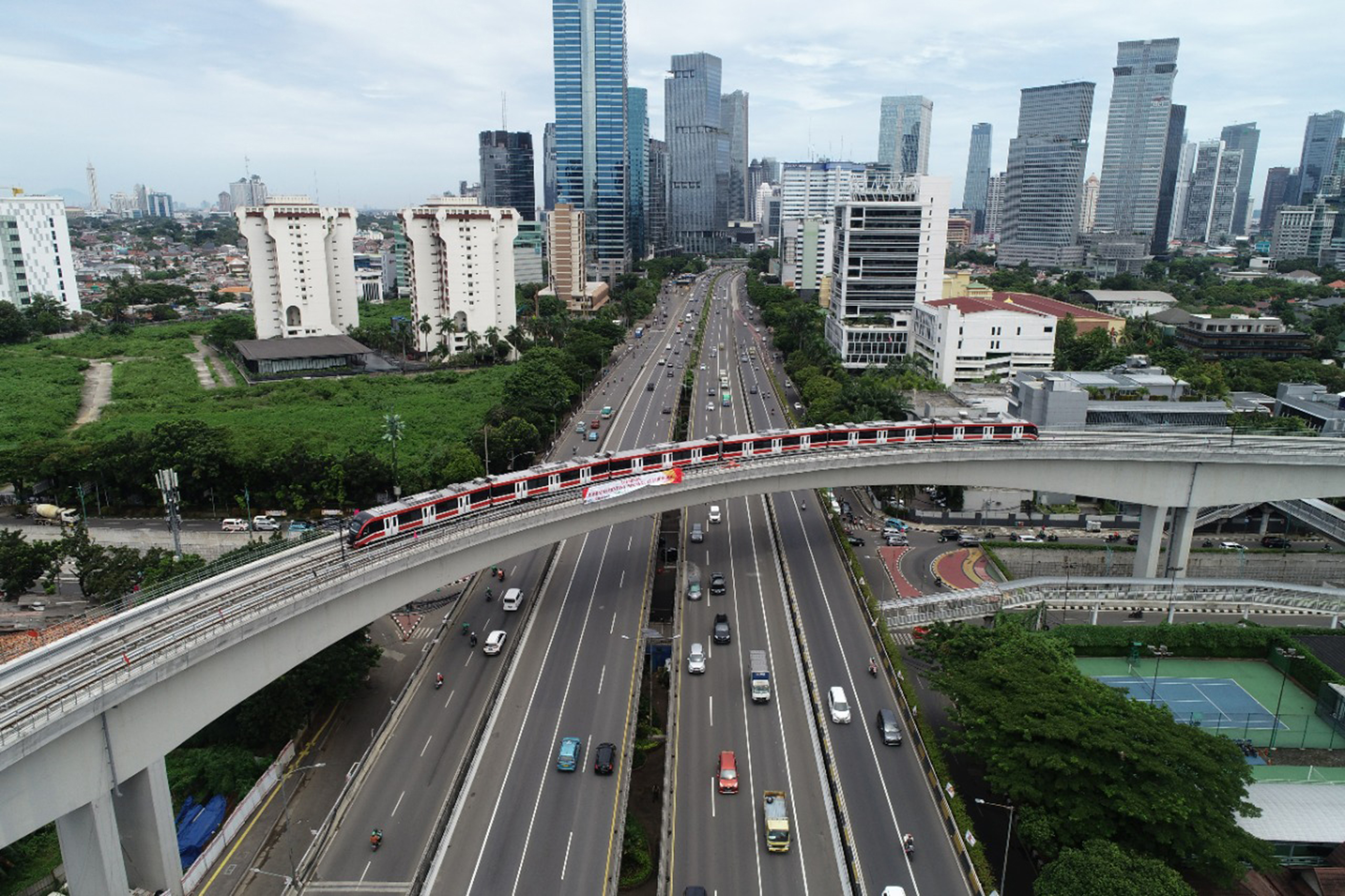
- General of Railways of the Ministry of Transportation of the Republic of Indonesia
- Oriental Consultants Global Co., Ltd.
In order to alleviate the traffic problems in Jakarta, Indonesia, the construction of the Jabodebek LRT, a lightweight rail transportation system, was started since September, 2015. This railway line consists of 3 lines, a total length of 44.41 km, with 17 stations. Including the total of 10 long span bridges, Kuningan Bridge has a maximum span of 148 m and it is the longest span in the world for a railway line. Except for the long span bridges, the precast U-shaped girders (30 m long) are installed , and LRB are used between the piers and the girders. In addition, a clamping device (CD) to control the displacement of the track in the event of an earthquake and an early earthquake warning system (SDAS) to control the train operation system have been introduced at the same time. There is no example in the world of the introduction of LRB, CD and SDAS in this scale in any railway bridges. The vehicle operation system is the country's first automated driving control level of GoA3 was adopted.
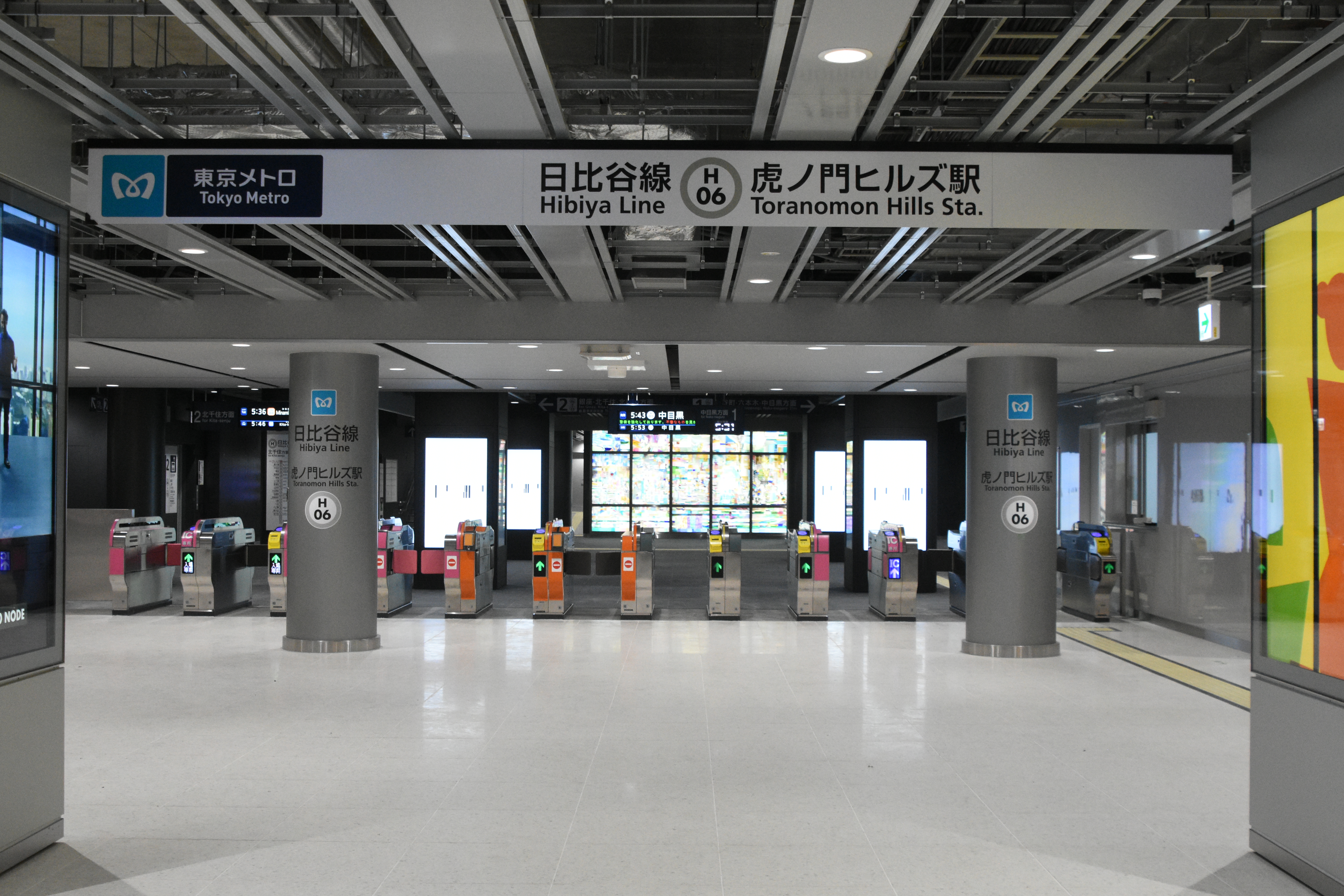
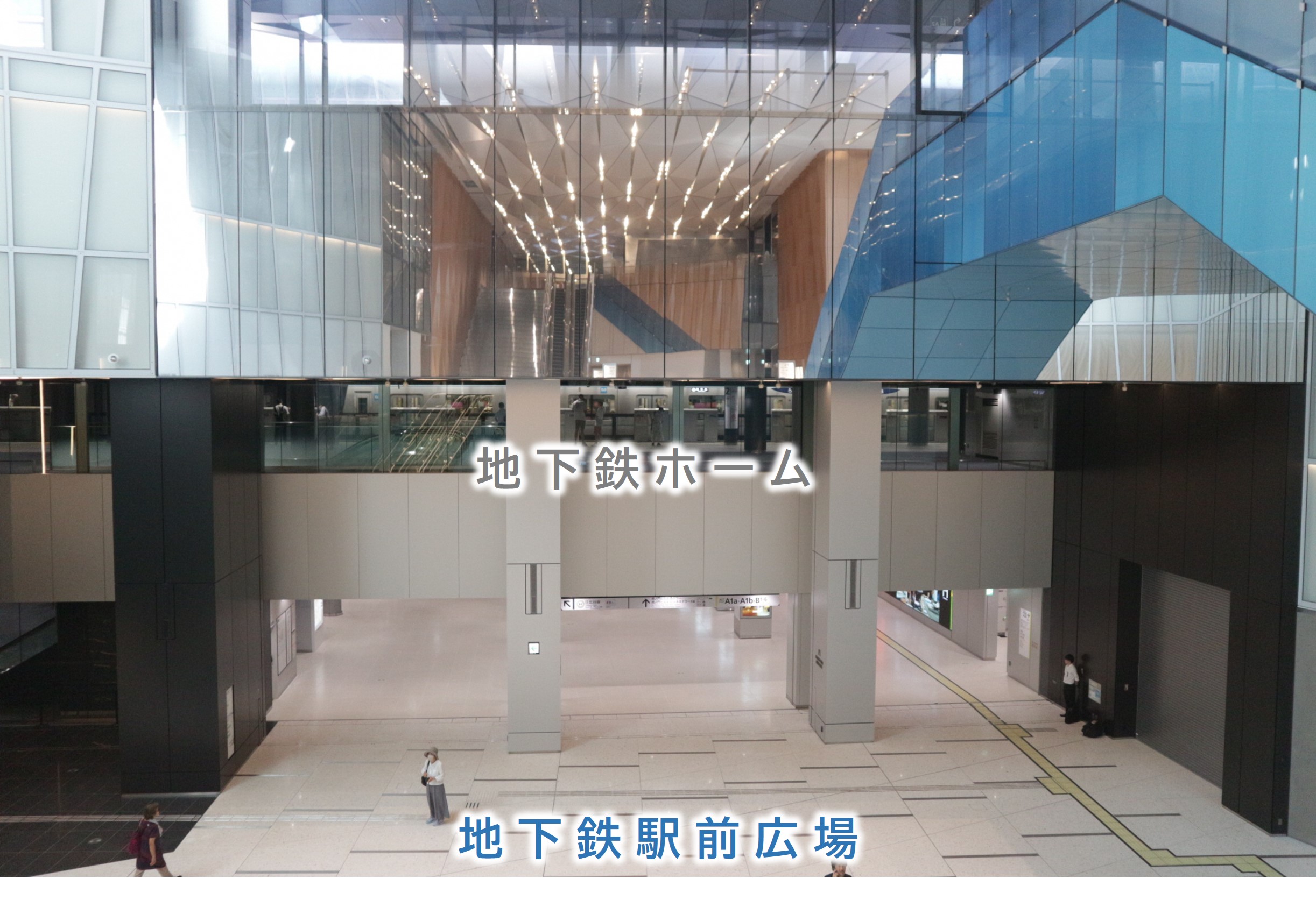
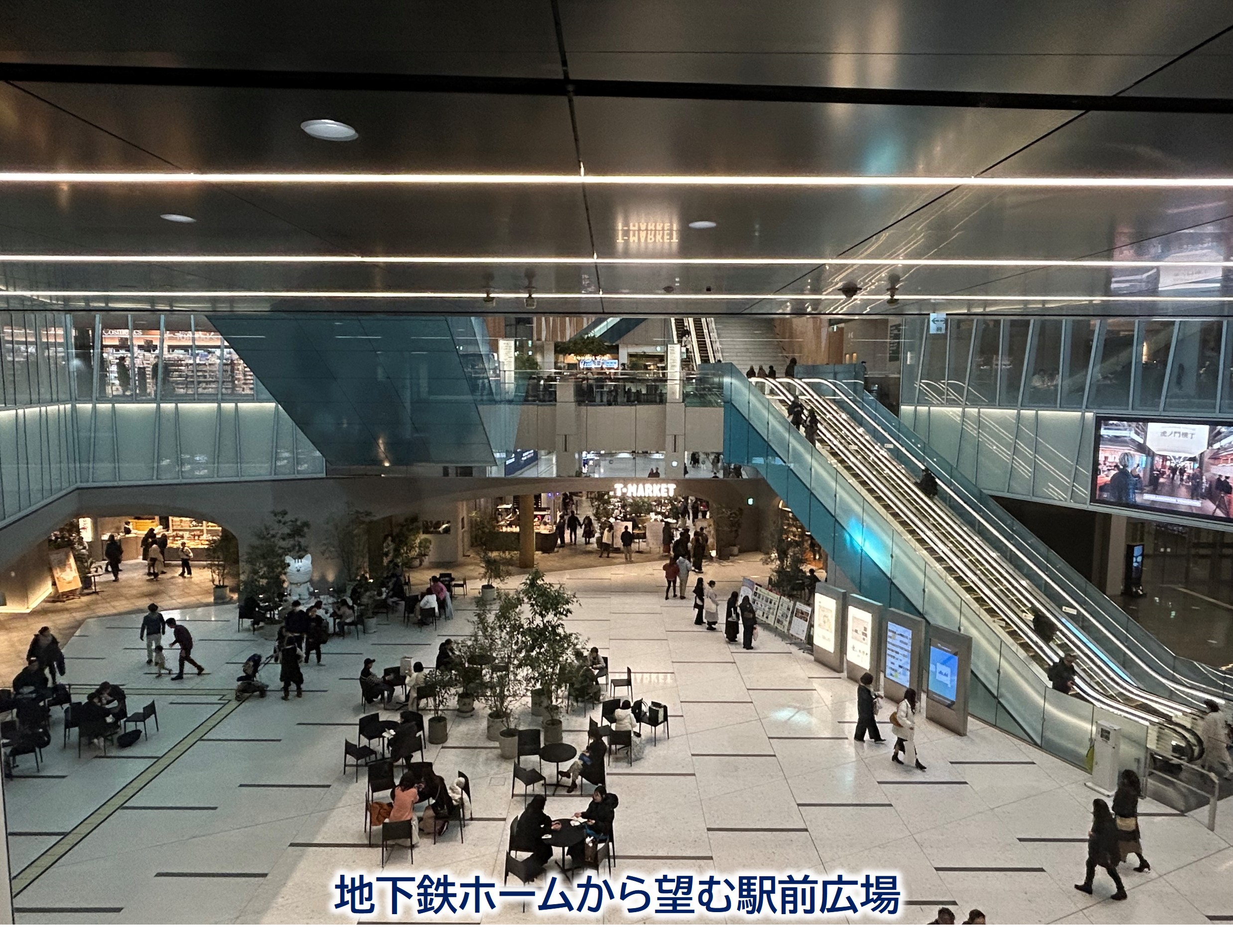
5. Construction of a new subway station integrated with urban development
~ New station on Hibiya line construction project and adjacent urban development projects ~
- Tokyo Metro Co., Ltd.
- Urban Renaissance Agency
- Mori Building Co., Ltd.
In this project, related government agencies and multiple business operators established strong cooperative relationships to transcend their boundaries, closely coordinated from planning to construction process adjustments, promoted numerous simultaneous project tasks involved in the construction of a new station on Hibiya line and adjacent urban development projects. As a result of these efforts, highly functional urban development that includes the square in front of subway station could be achieved.
Thus, this project is an advanced model case for the smooth implementation not only urban development project but also a renewal of existing subway station integrated with urban development project.
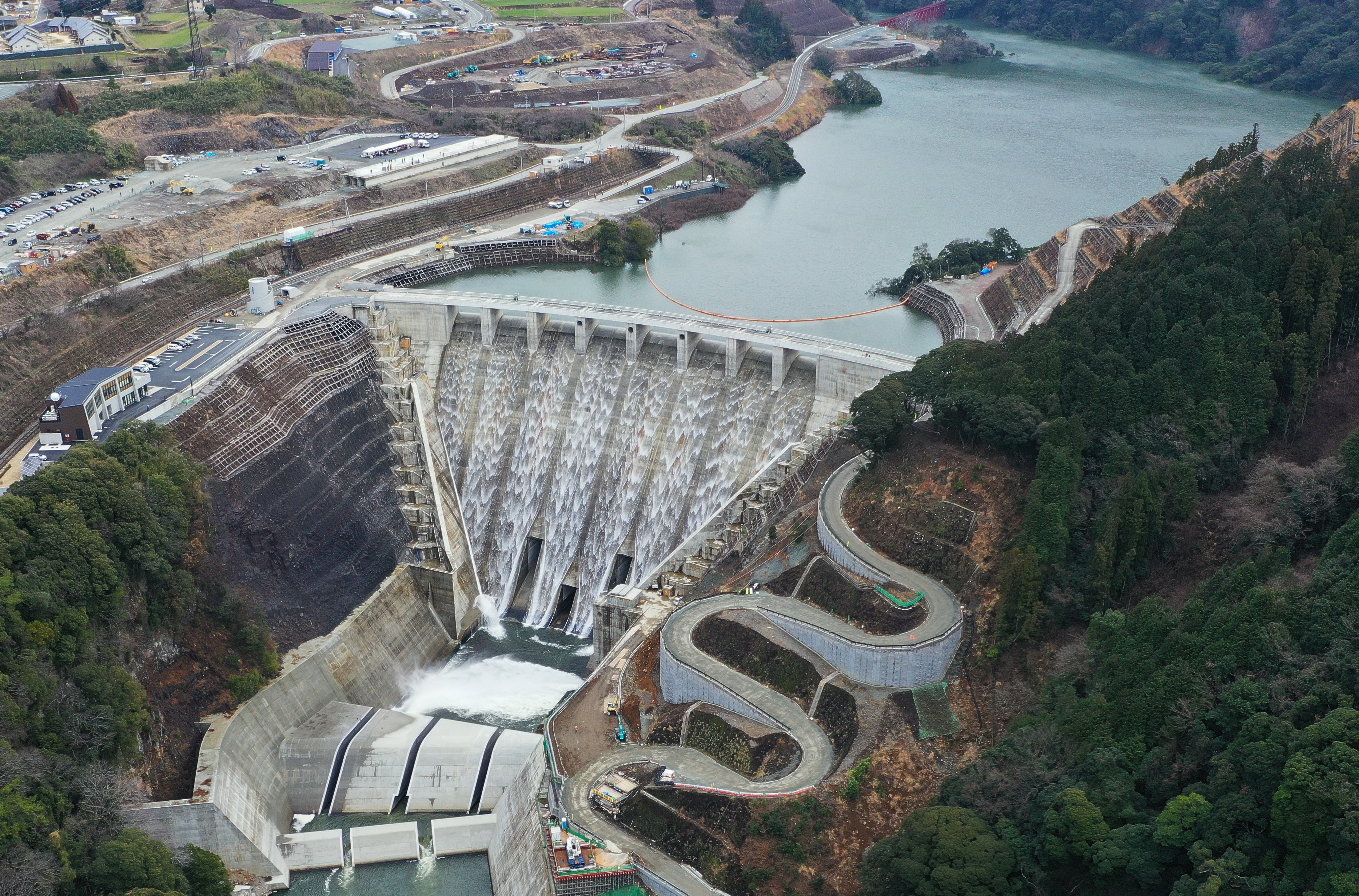
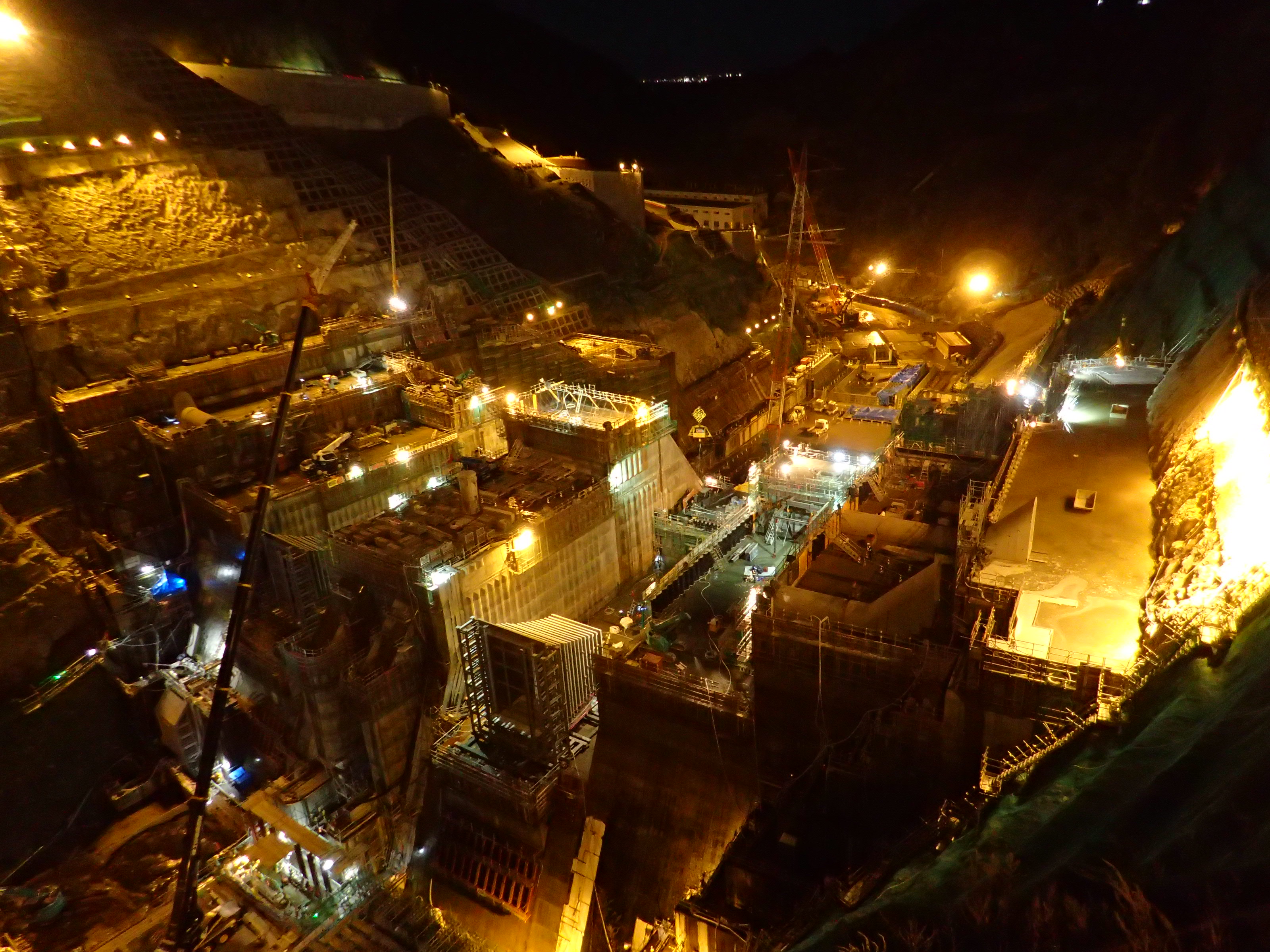
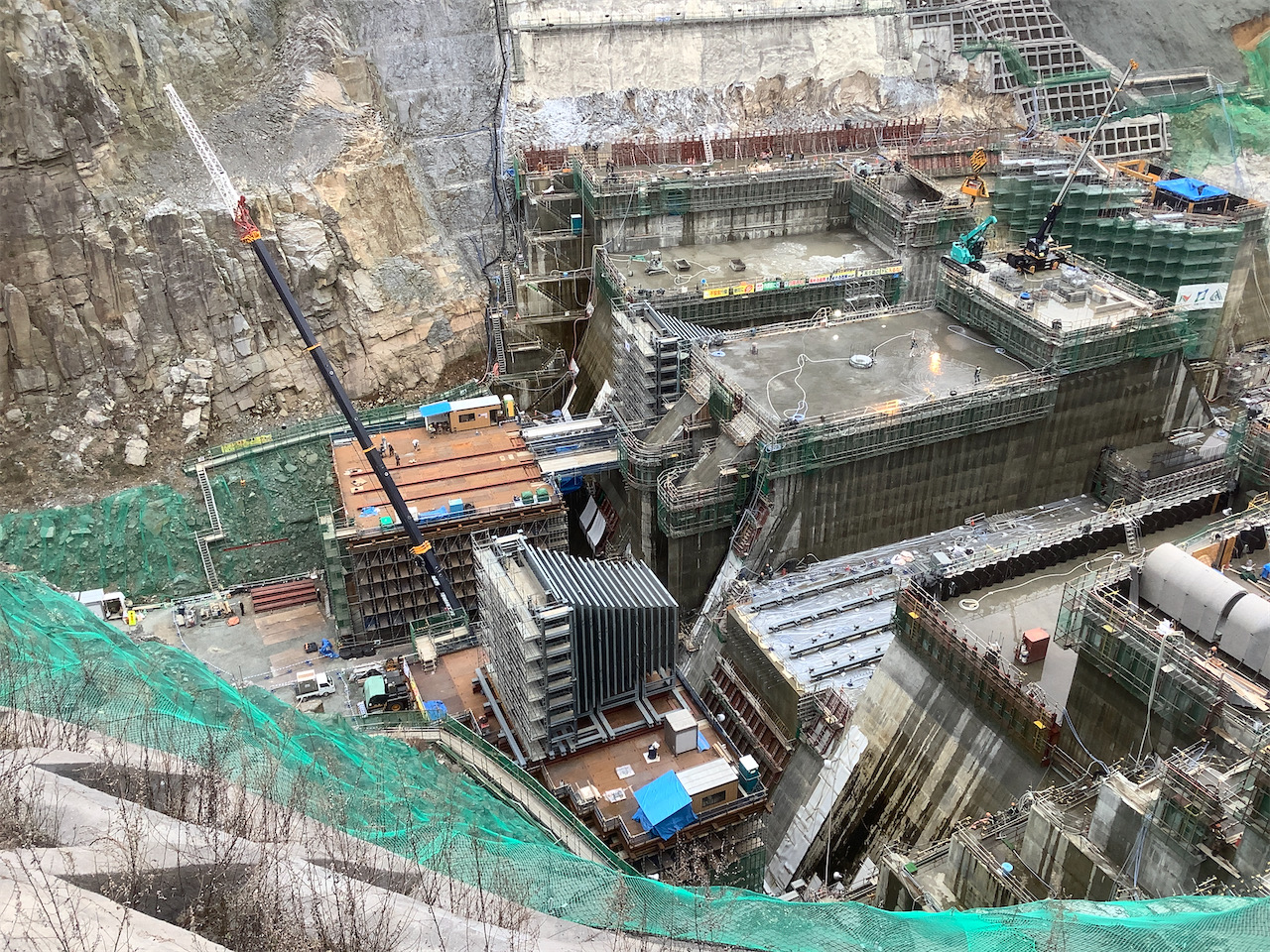
6. Tateno Dam Construction Project.~Construction of the largest flowing water dam in Japan~
- Tateno Dam Construction Office
- Nishimatsu・Hazama Ando・Asunaro Aoki Joint Venture.
Tateno Dam is a concrete arch-gravity dam specifically engineered for flood control, employing the Columnar Block construction method for concrete casting,
Despite challenges in rationalizing the Columnar Block construction method and a two-year delay caused by a significant earthquake, construction period of Tateno dam was shortened using BIM/CIM process and other methods. As initially intended, it fulfilled its flood control purpose by 2023.
As part of our dam management initiatives, Tateno Dam construction project pioneers the use of full automation of measuring instruments in Japan. Additionally, vegetation dynamics are being consistently analyzed in the reservoir's virgin forest using drone imagery.
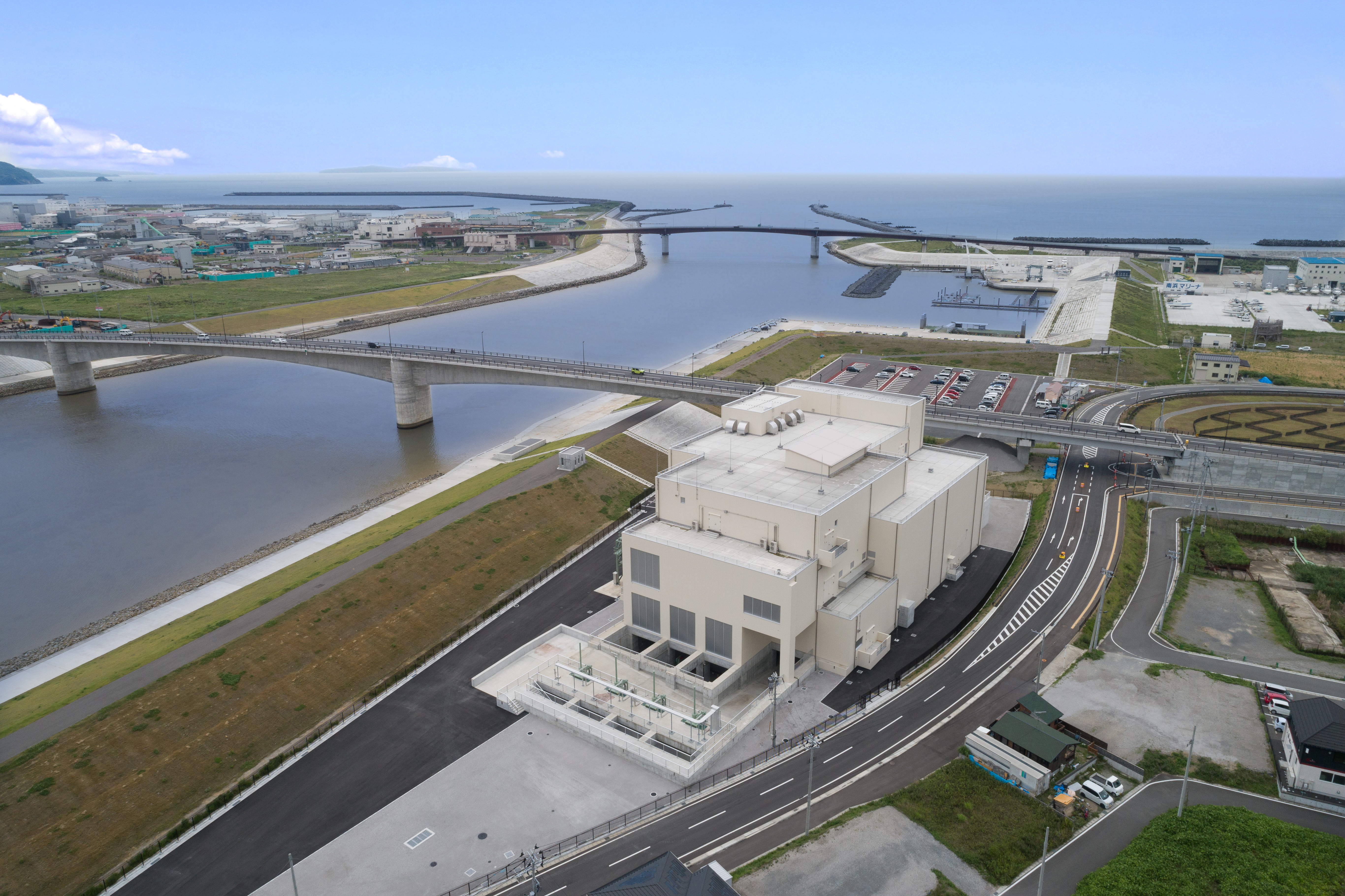
7. Maintenance of Stormwater Drainage Facilities to Protect the Lives in Disaster-stricken Areas - Ishinomaki Central Drainage Pump Station-
- Ishinomaki City
- Japan Sewage Works Agency
- SHIMIZU・DAIHO・ENDOUKOUGYOU Special Construction Work Joint Venture
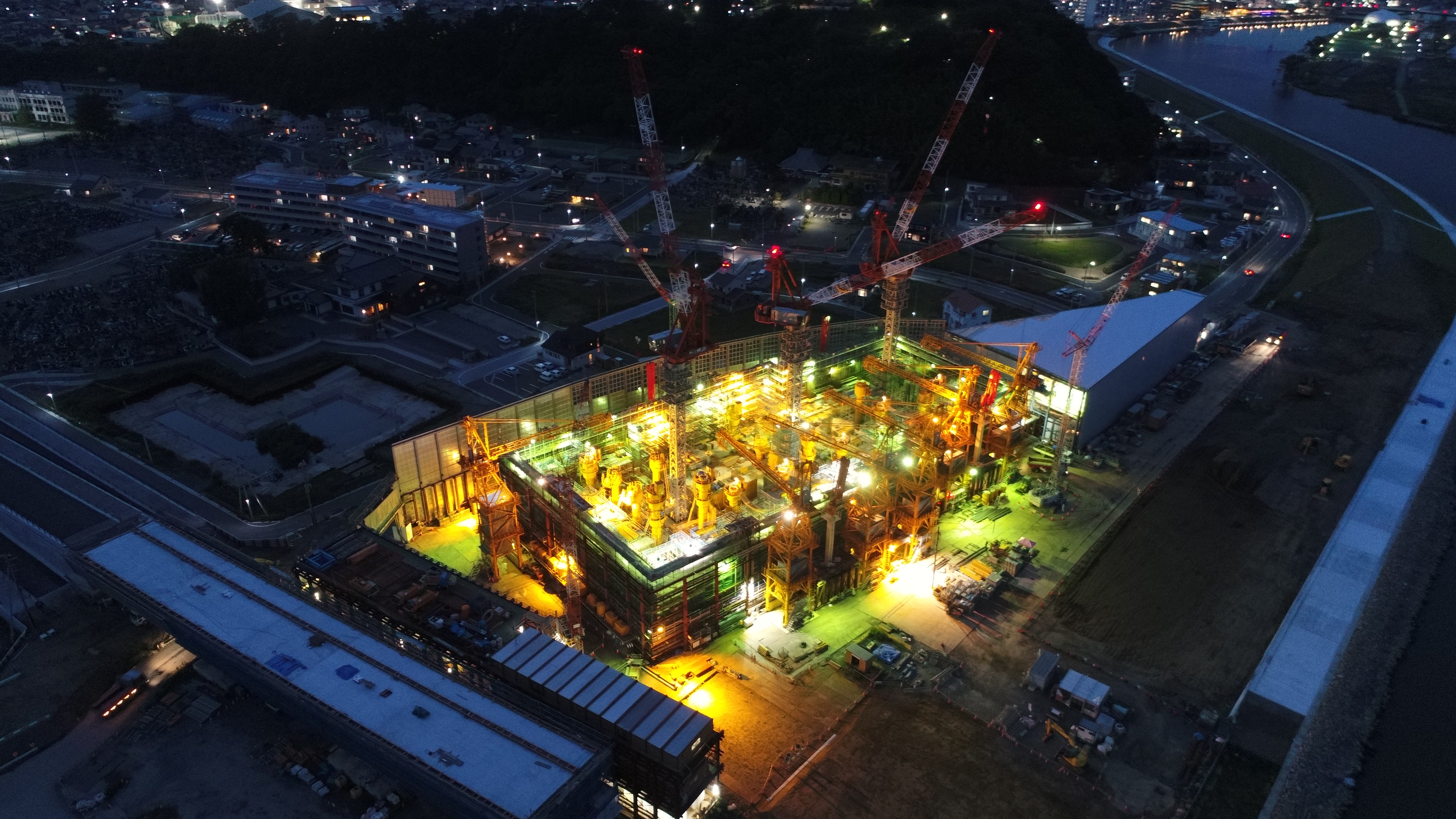
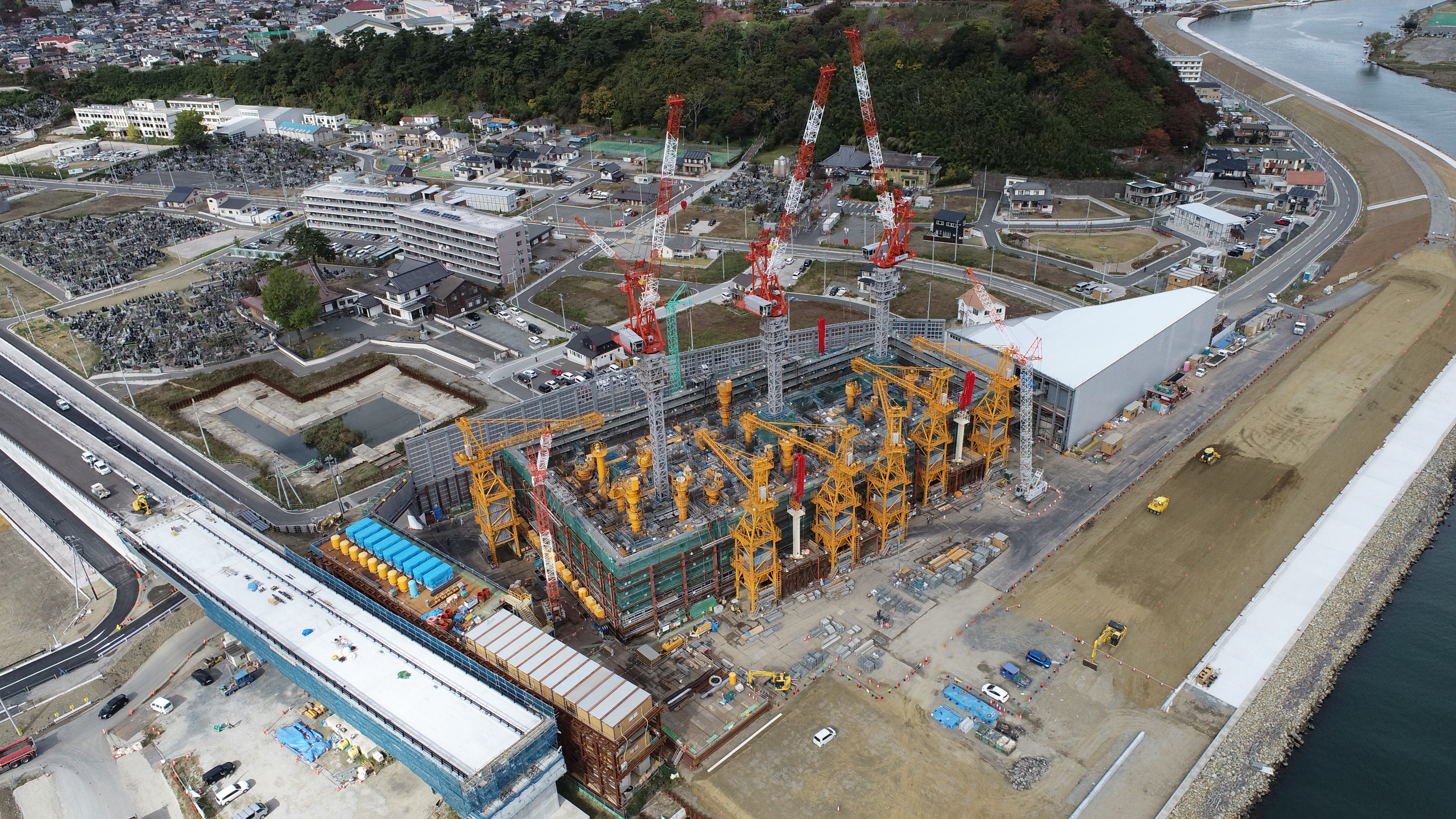
The Great East Japan Earthquake of March 11, 2011, led to widespread land subsidence in Ishinomaki City, increasing the area susceptible to flooding. To address this, the city embarked on constructing a drainage pump station as part of its "disaster-resistant city" initiative. The Pump station's underground structure, 3,350m2 in area and 40m deep, was a remarkable feat completed within a year using the pneumatic caisson method. A 4.25m diameter, 683m long stormwater discharge pipe was safely constructed using the slurry shield method. Despite various challenges, the project was finished on time and lauded for its role in mitigating flood damage, earning it the prestigious Technology Award.
8. The underground for the Tokaido branch line with a new station project
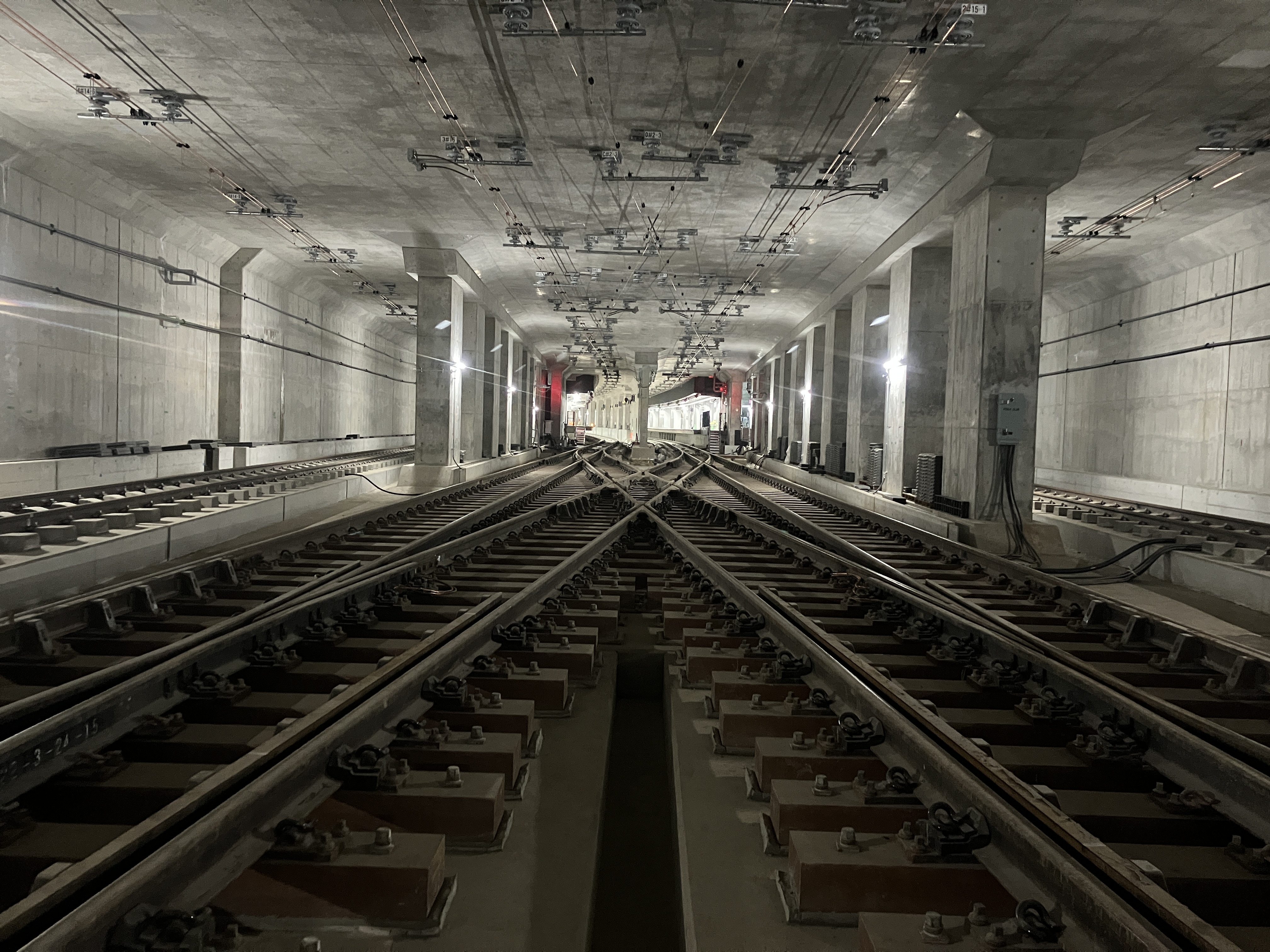
- West Japan Railway Co.,Ltd.
- Okumura&Tekken Joint Venture.
- Zenitaka&Nishimatsu Joint Venture.
- Konoike&Maeda Joint Venture.
- Daitetsu&Shimizu Joint Venture.
- Obayashi&Asanuma Joint Venture.
- Taisei& Daitetsu Joint Venture.
- Daitetsu Kogyo Co.Ltd.
- Jr West Japan Consultants Co.,Ltd.
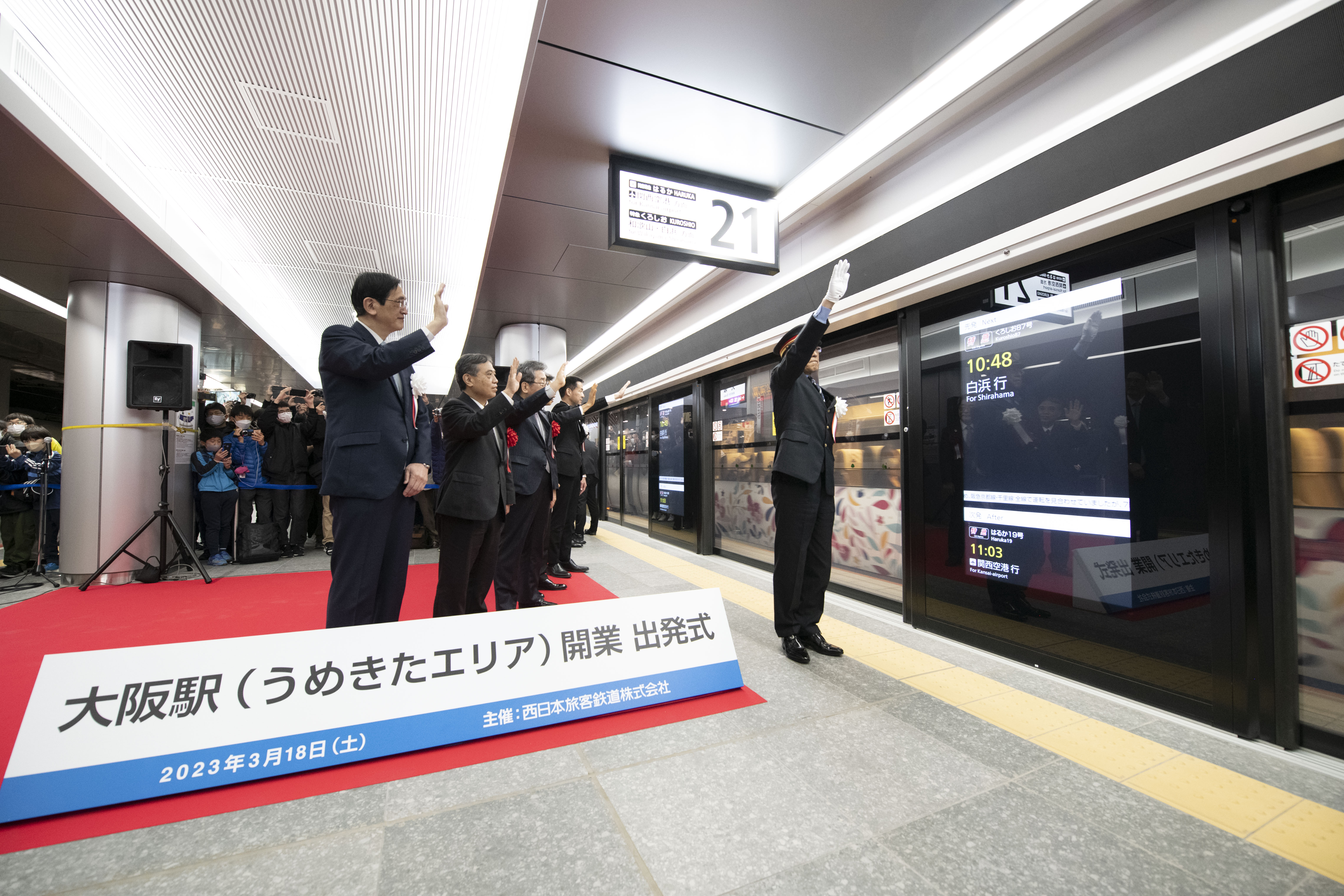
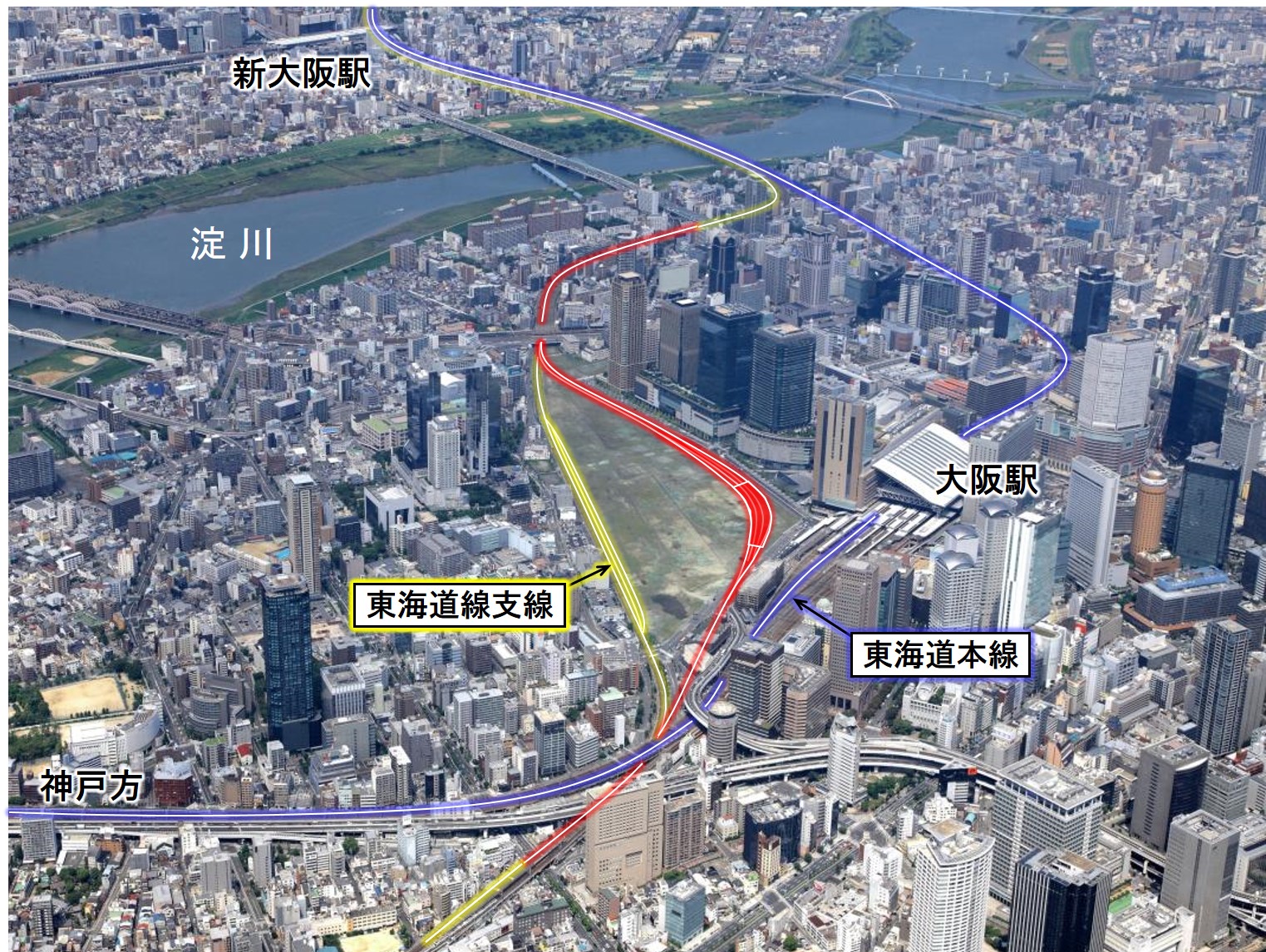
The underground for the Tokaido branch line with a new station project will be transforming the “Umekita District” into an intellectual creative city with high international competitiveness.
The excavation work has been carried out safely under strict condition such as close proximity to a commercial line and multi-layered buildings.
As the most difficult part of the construction, the track switching work has been completed as planned by thorough risk countermeasures and preliminary trials.
This project was evaluated for contributing to the development of local communities and urban engineering technology, which was recognized as worthy of the Technology Award.
9. Pioneering Initiatives in Railway Construction Management through Train Depot Design and Build in the Philippines
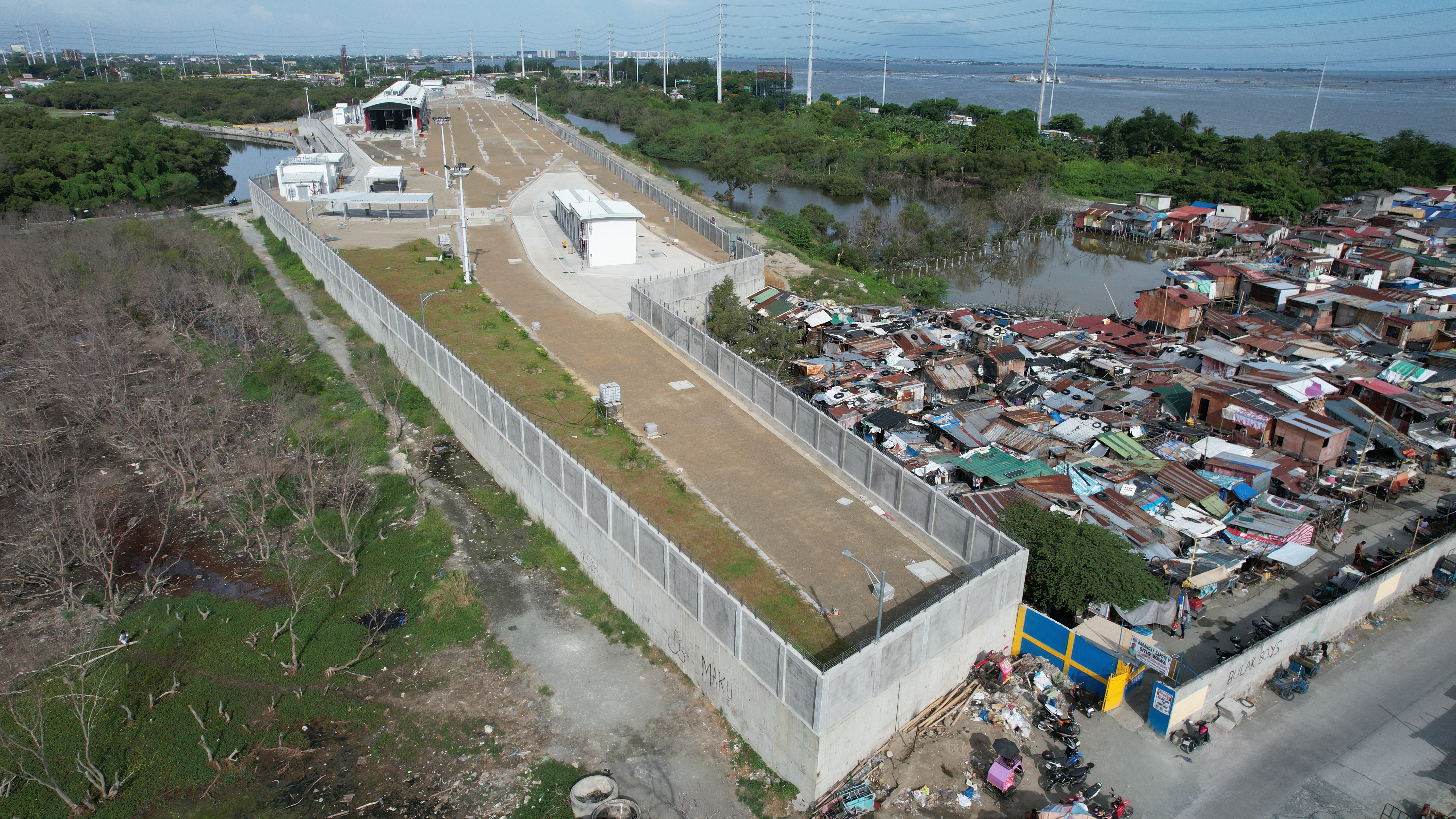
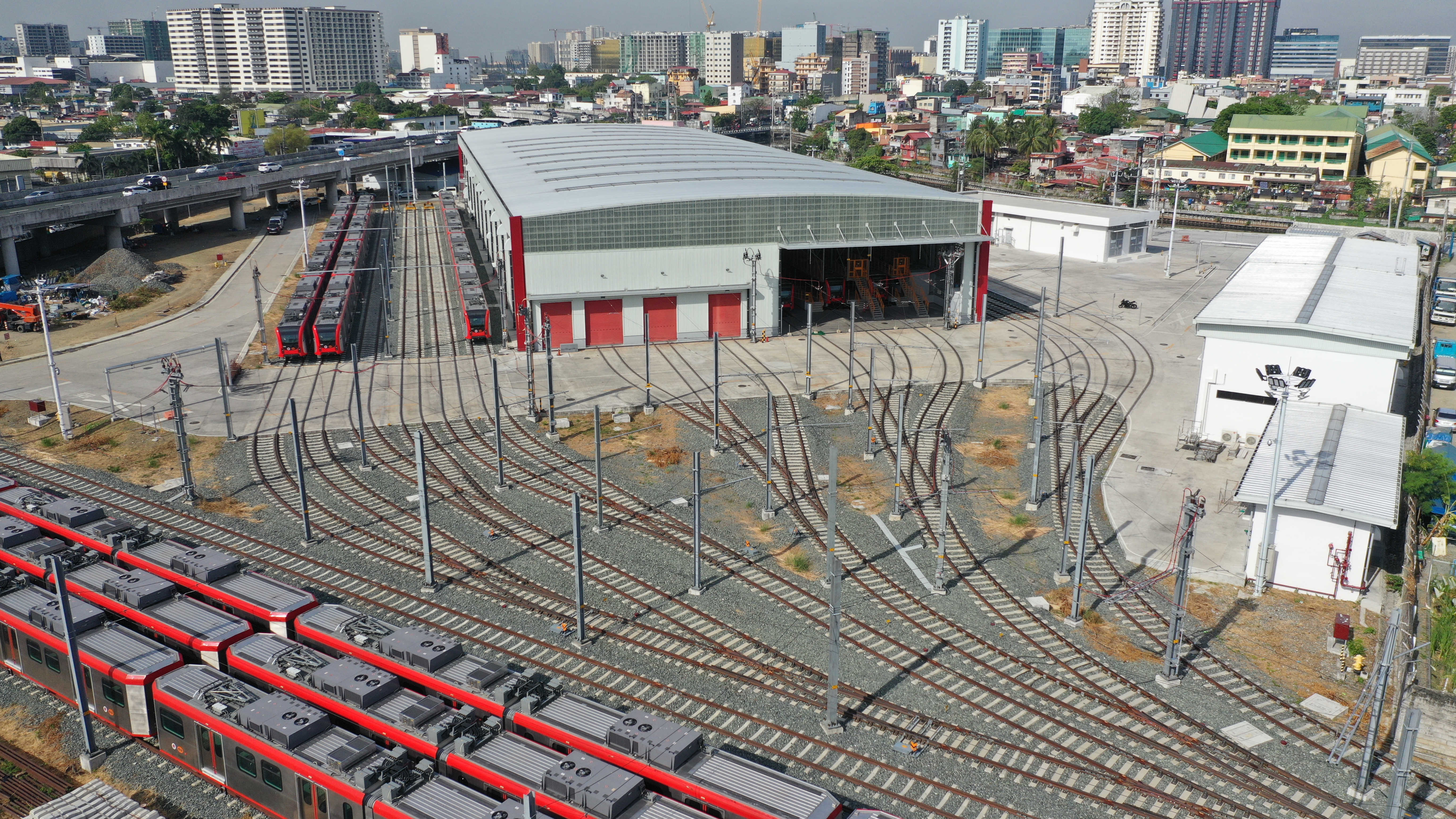
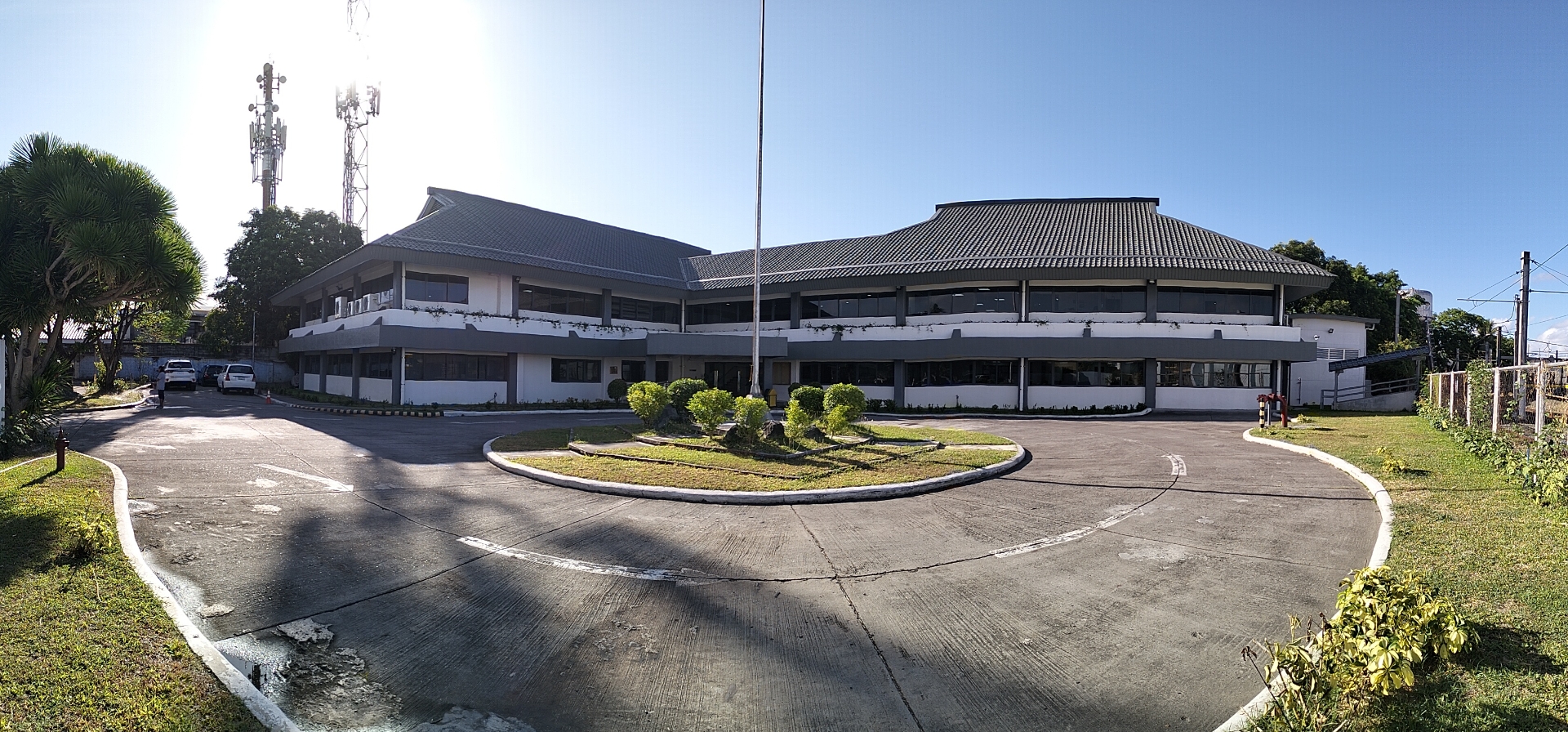
- Shimizu Corp.
The Philippines prioritized railway development to alleviate severe traffic congestion in the Manila metropolitan area. The LRT Line 1 was extended from Baclaran Station to Cavite province, tackling technical challenges like, mangrove transplantation, liquefaction prevention, and building foundation improvement, close coordination between different contractors under the ongoing PPP (Public-Private Partnership) Line 1 extension project.
Despite hurdles like land acquisition, budget constraints and pandemic-related remote management, the project was successfully completed and has significantly contributed to infrastructure enhancement and sustainable development, earning recognition as a candidate for technical awards.
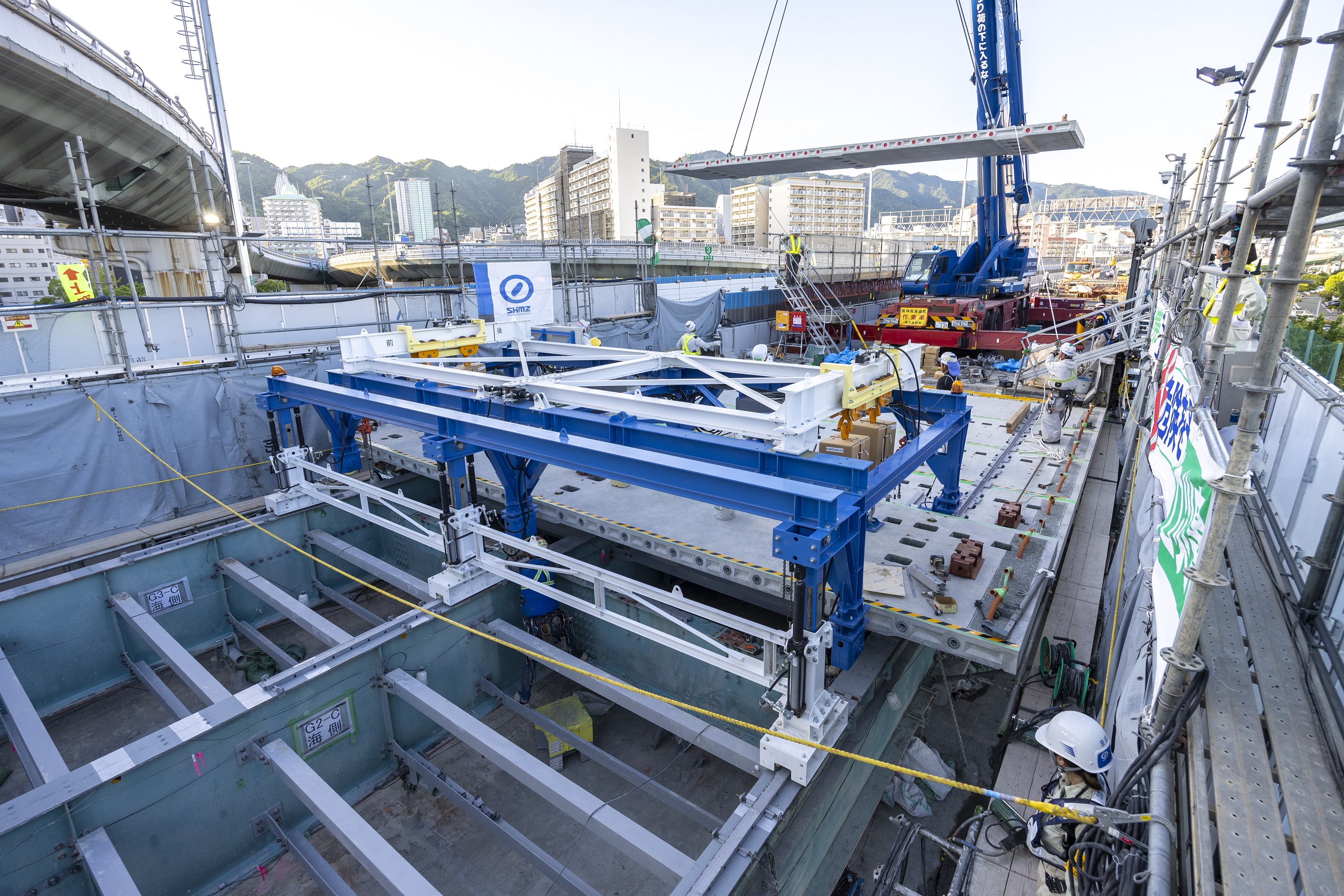
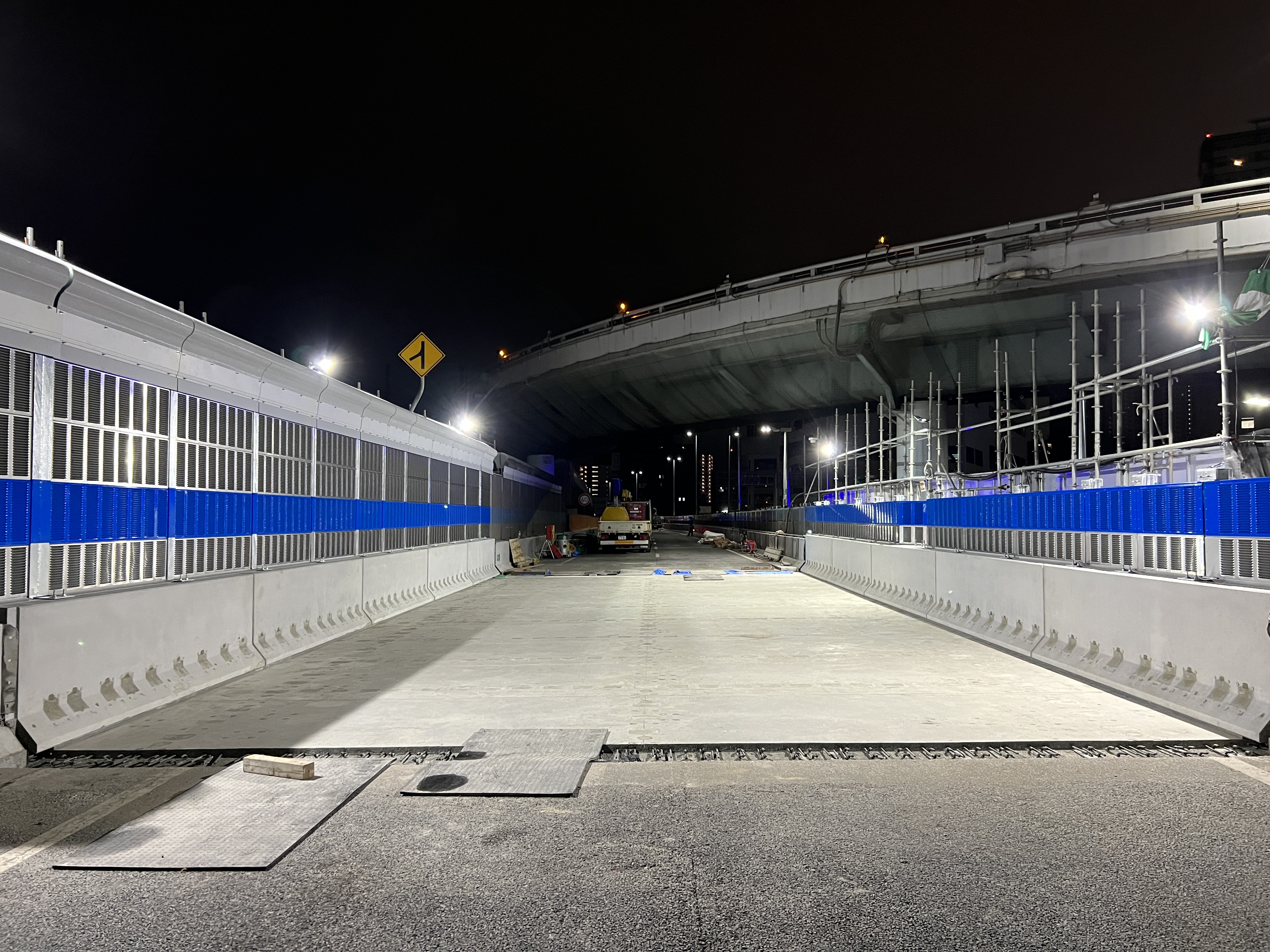
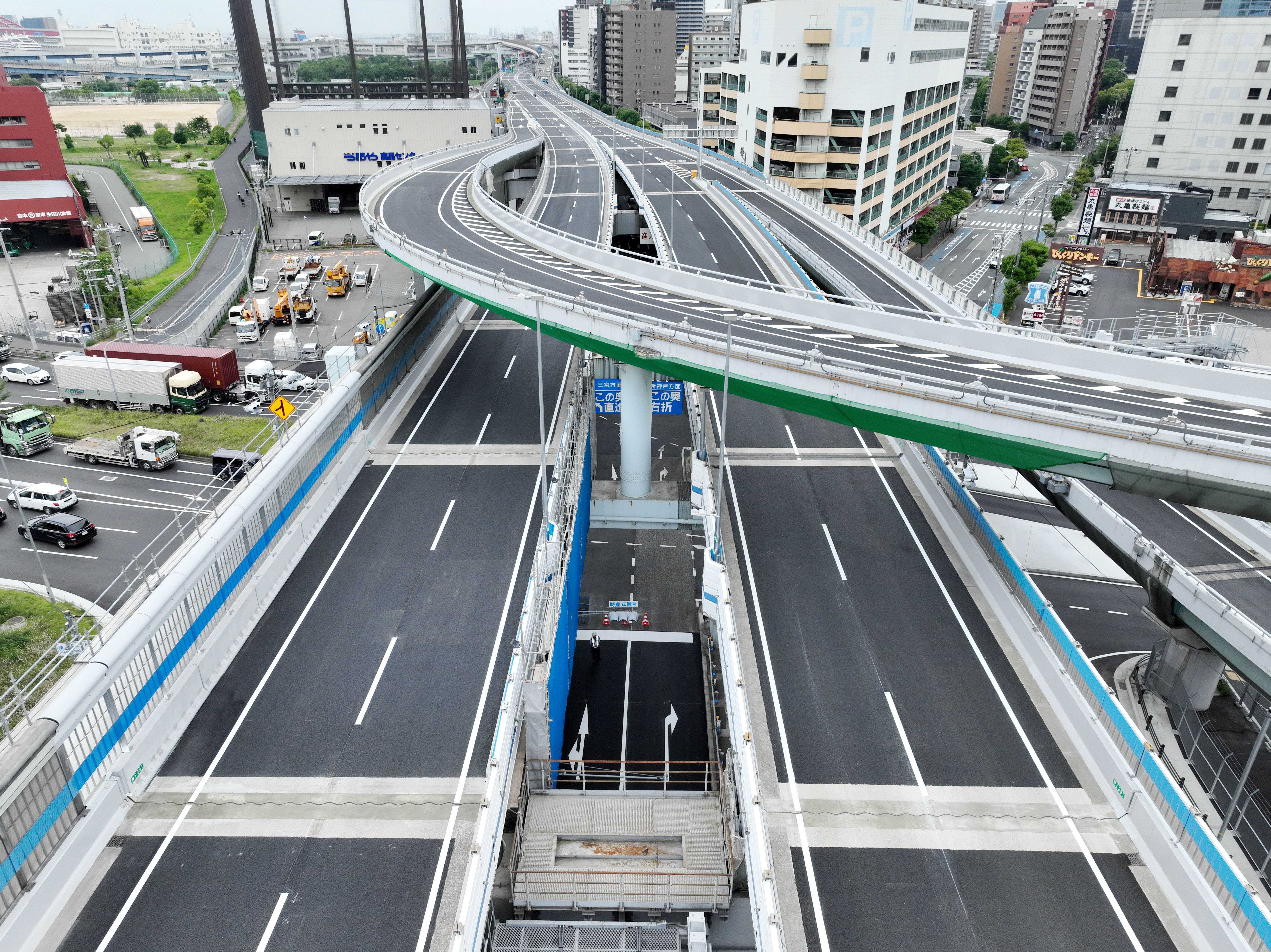
10. Concrete slab renewal project by HSPJ(High Smart Prestressed Joint) precast concrete slabs on Hanshin Expressway Route 3 Kobe Line
- Hanshin Expressway Co.,Ltd.
- SHIMIZU CORP.
After over 50 years in service, the slabs of the Hanshin Expressway Route 3 Kobe Line deteriorated due to increased traffic and larger vehicles. Hence, a renewal project was carried out in the urban areas with a tight schedule. When replacing the slabs, long-term durability, no influence on the existing structure and limited space for construction were required. We solved these problems by applying the newly developed HSPJ precast concrete slab technology. By applying various other technologies including HSPJ slabs, the project was completed within a limited period while ensuring high quality, which was evaluated as worthy of the technology award.
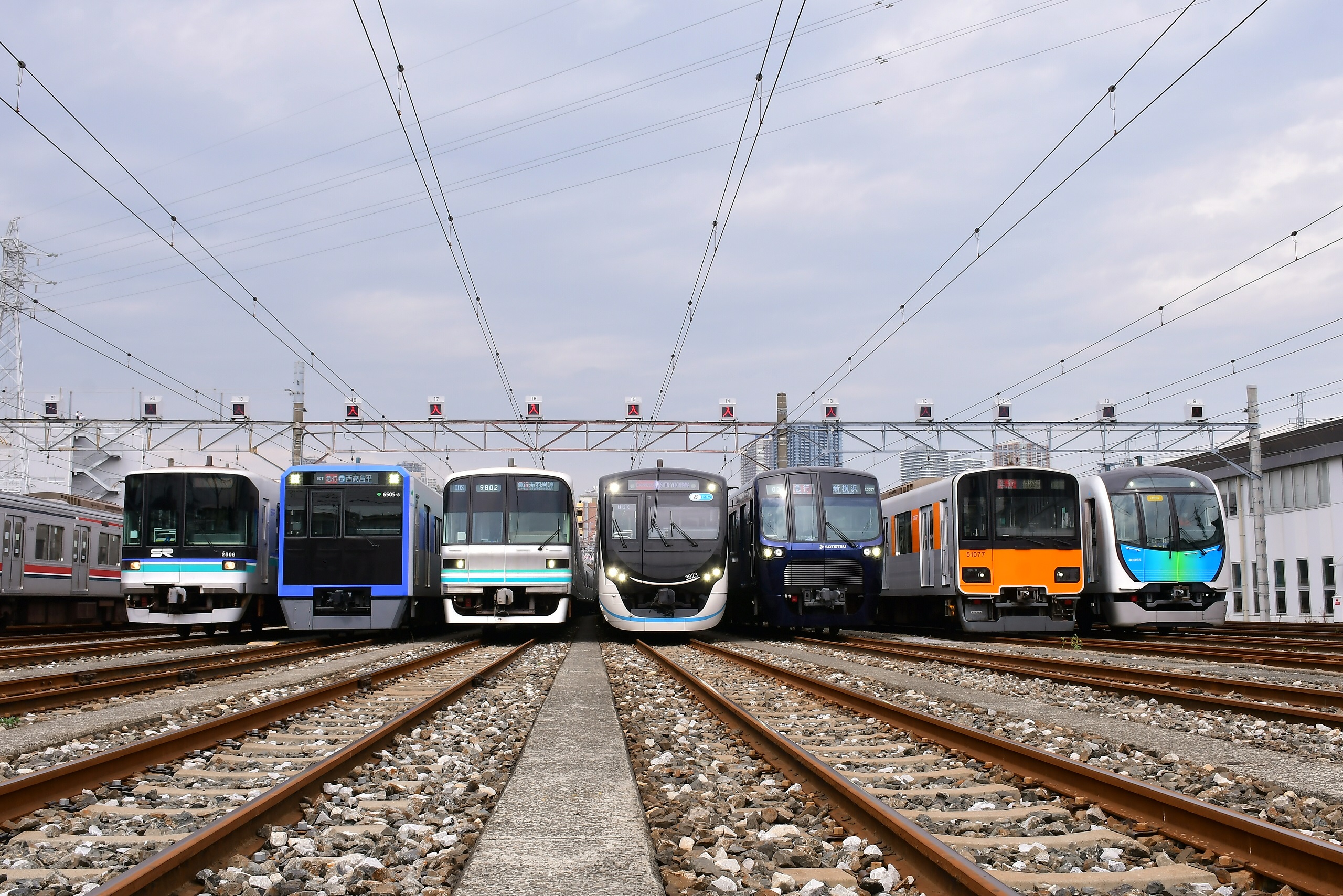
11. The construction of eastern Kanagawa rail link (Sotetsu-Tokyu link line)
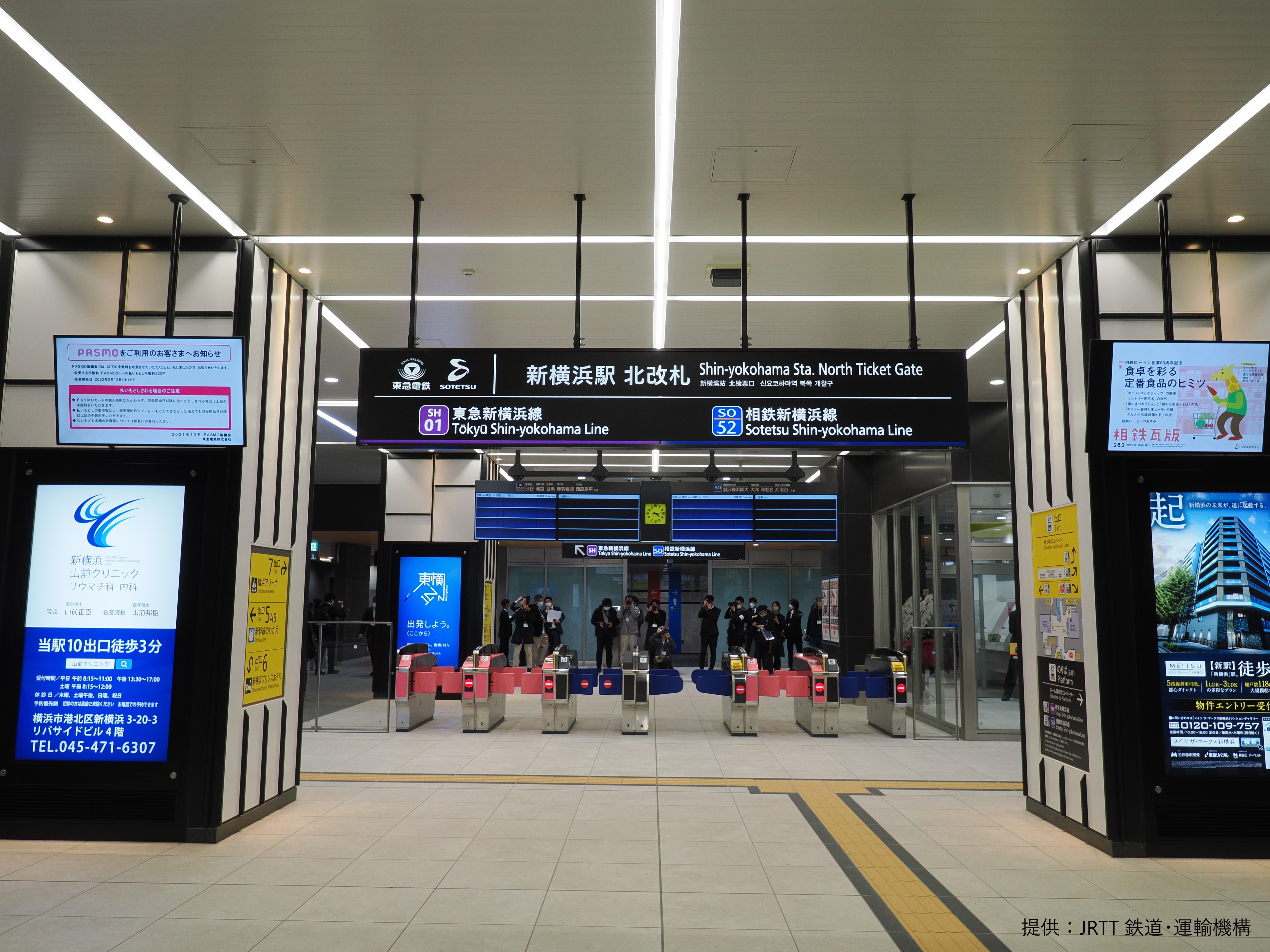
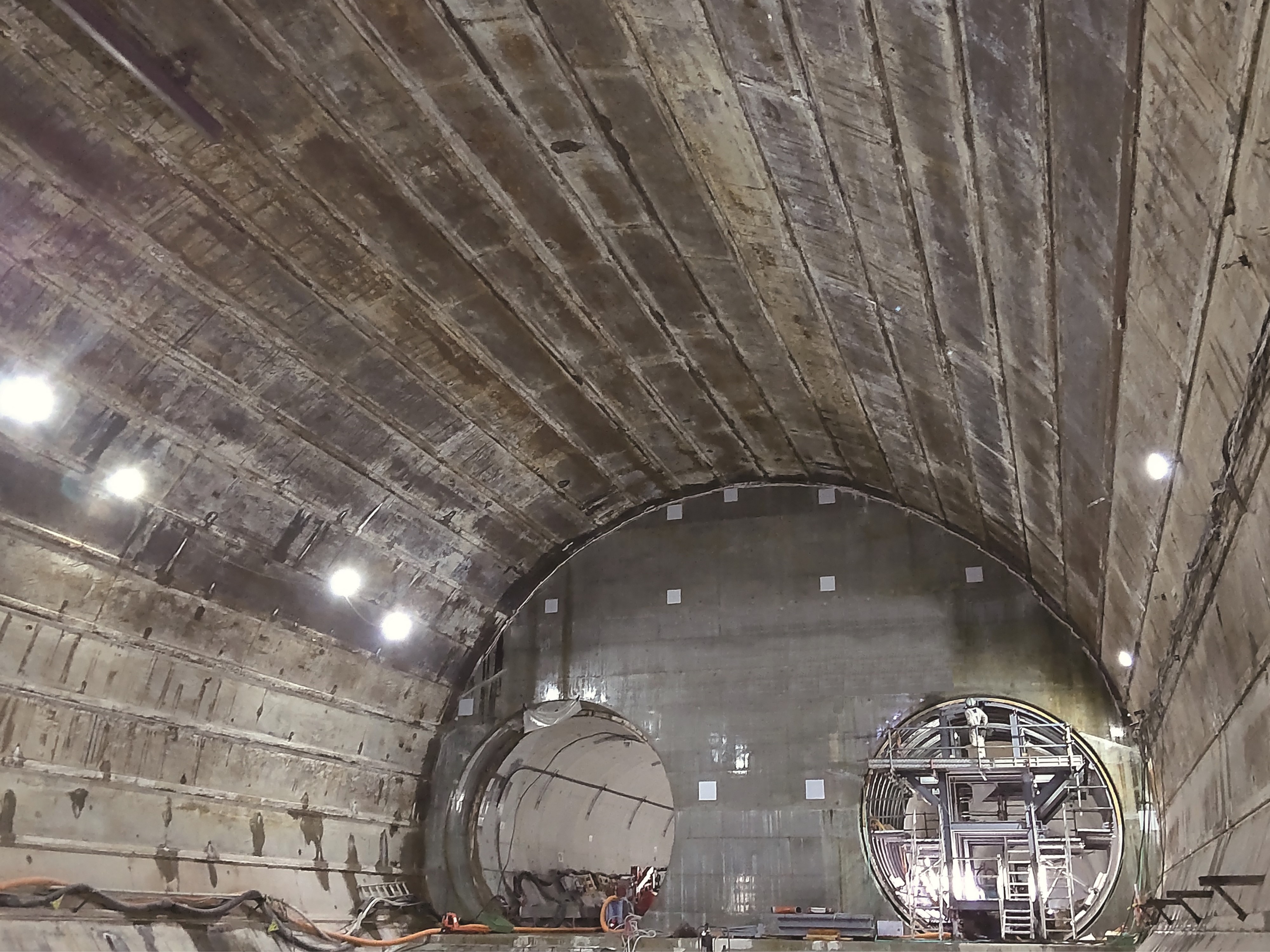
- Japan Railway Construction, Transport and Technology Agency
- SAGAMI RAILWAY Co., Ltd.
- TOKYU RAILWAYS Co., Ltd
The Sotetsu-Tokyu link line project is to construct a 10 km of connecting line from Hazawa yokohama-kokudai of Sotetsu-JR link line and Hiyoshi of Tokyu line. Passengers on the Sotetsu line for Tokyo once used to transfer at Yokohama to other Tokyo-bound lines such as JR East and Tokyu. Thanks to the new links, Sotetsu train can directly go onto Tokyo-bound lines without transfer and thus mobility of the people along the Sotetsu line is drastically improved. Another feature of the Sotetsu-Tokyu link line is ‘connection to Shin-Yokohama station’ which is a major gateway for the city of Yokohama on the Tokaido Shinkansen.
12. Amagase Dam redevelopment project (Challenging to improve dam function by bringing together the latest technologies)
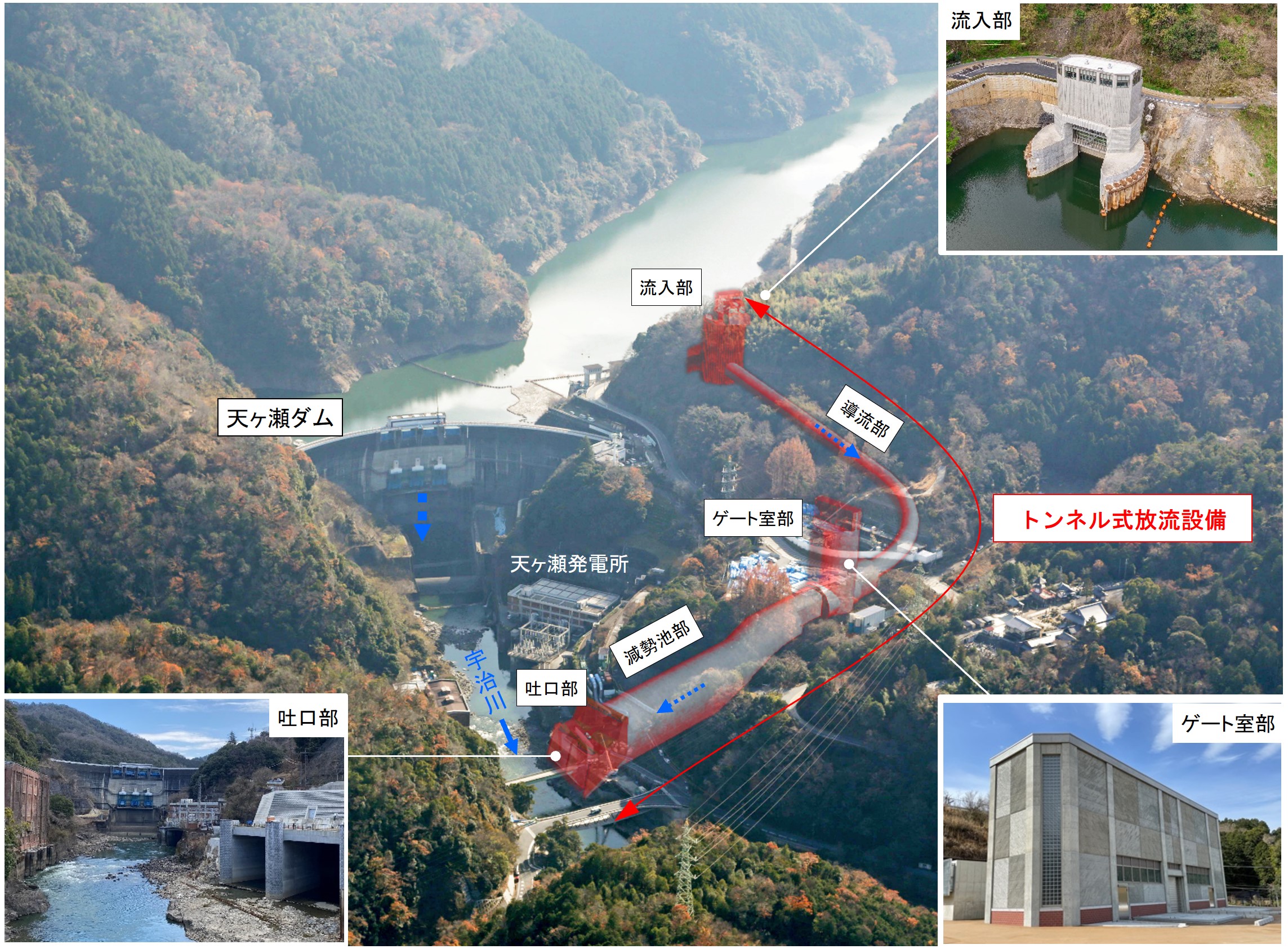

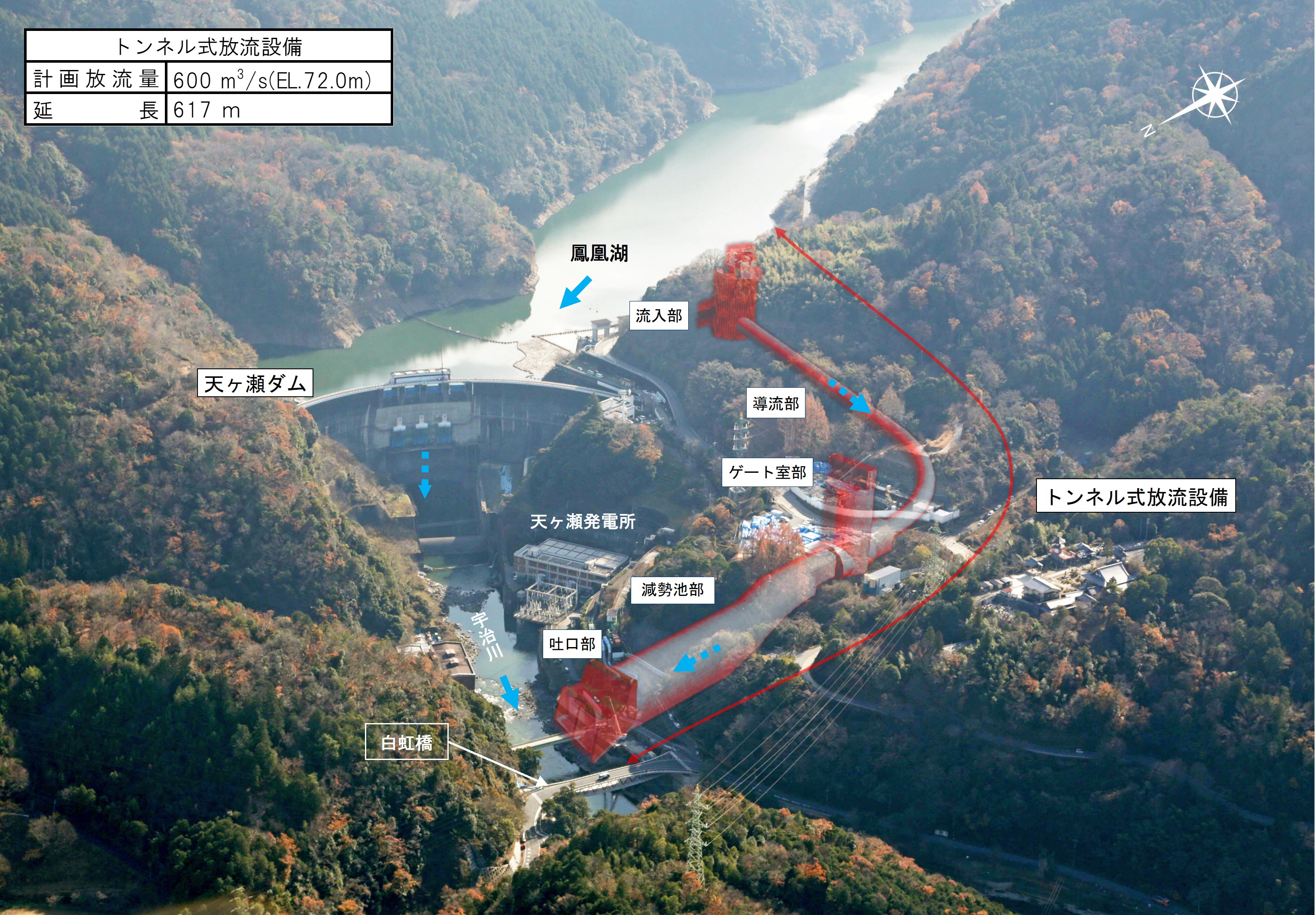
- Ministry of Land, Infrastructure, Transport and Tourism Kinki Regional Development Bureau Biwako River Office
- TAISEI Corp.
- KAJIMA Corp.
- OBAYASHI Corp./TOBISHIMA Corp. Construction joint venture
The Amagase Dam redevelopment project aims to enhance flood control and water utilization functions by installing a tunnel-type discharge facility to the existing Amagase Dam.
The tunnel-type discharge facility consists of five facilities, including the inlet section, and we faced technical challenges during the construction of each facility. However, we have overcome these challenges through the development of innovative technologies and other measures.
In addition, we have conducted extensive deliberations on the design of the new structure for consideration of the surrounding landscape.
This project has been recognized as deserving of a technical award for its successful achievement of harmonizing with the surrounding landscape and its significant contribution to the plans for future redevelopment projects.
13. Shibuya station improvement(Improving convenience through significant renewal and reorganization of station)
- East Japan Railway Company, Tokyo Metropolitan Area Construction Project Management Office
- KAJIMA Corp.-SHIMIZU Corp. Construction Joint Venture
- TAISEI Corp.-TOKYU CONSTRUCTION Co.,Ltd. Construction Joint venture
- TEKKEN Corp.-TOKYU CONSTRUCTION Co.,Ltd.- TOTETSU KOGYO Co.,Ltd. Construction Joint Venture
- KOTSUKENSETSU Corp.
- KOMAIHALTEC Inc.
- JR East Consultants Company
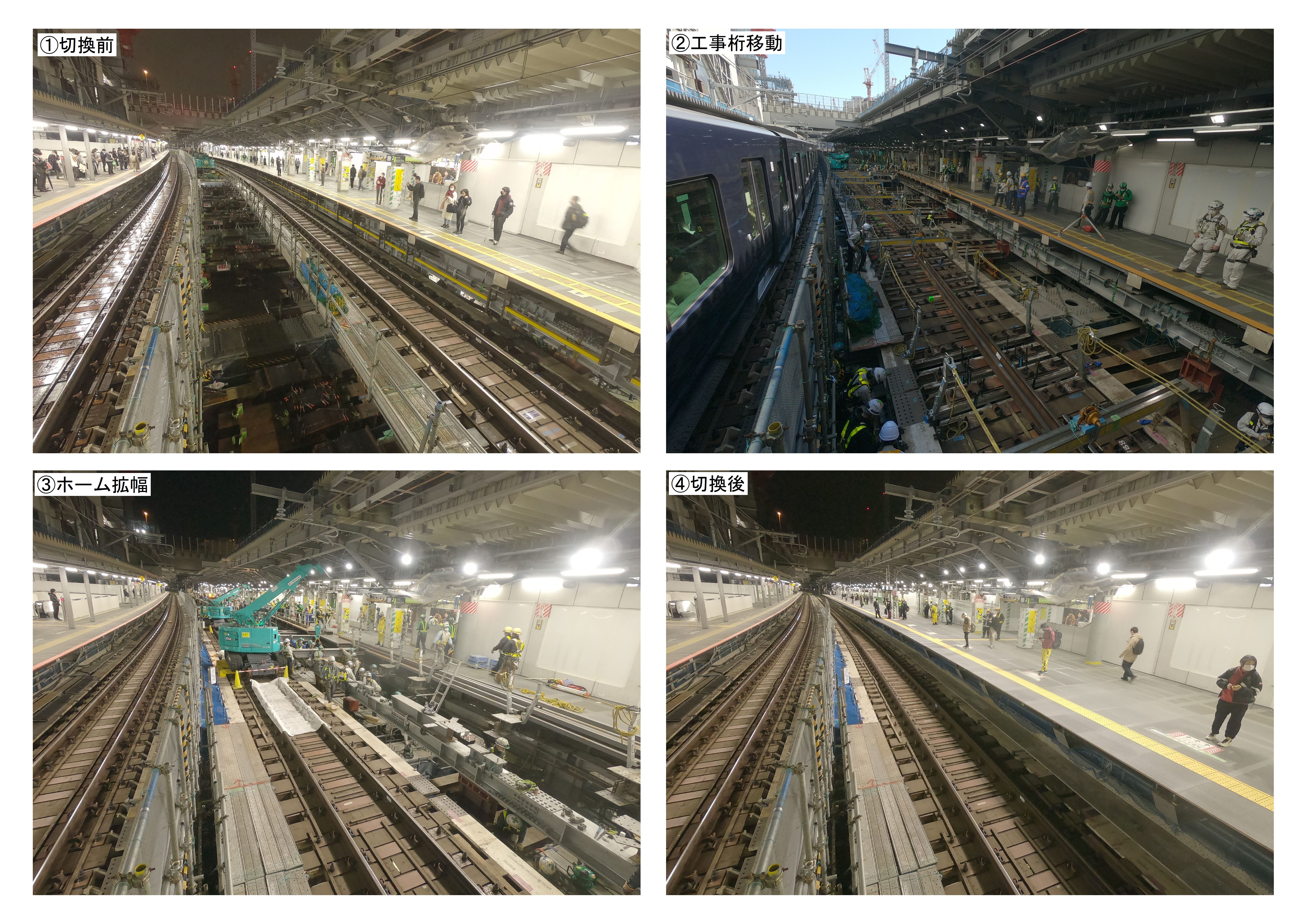
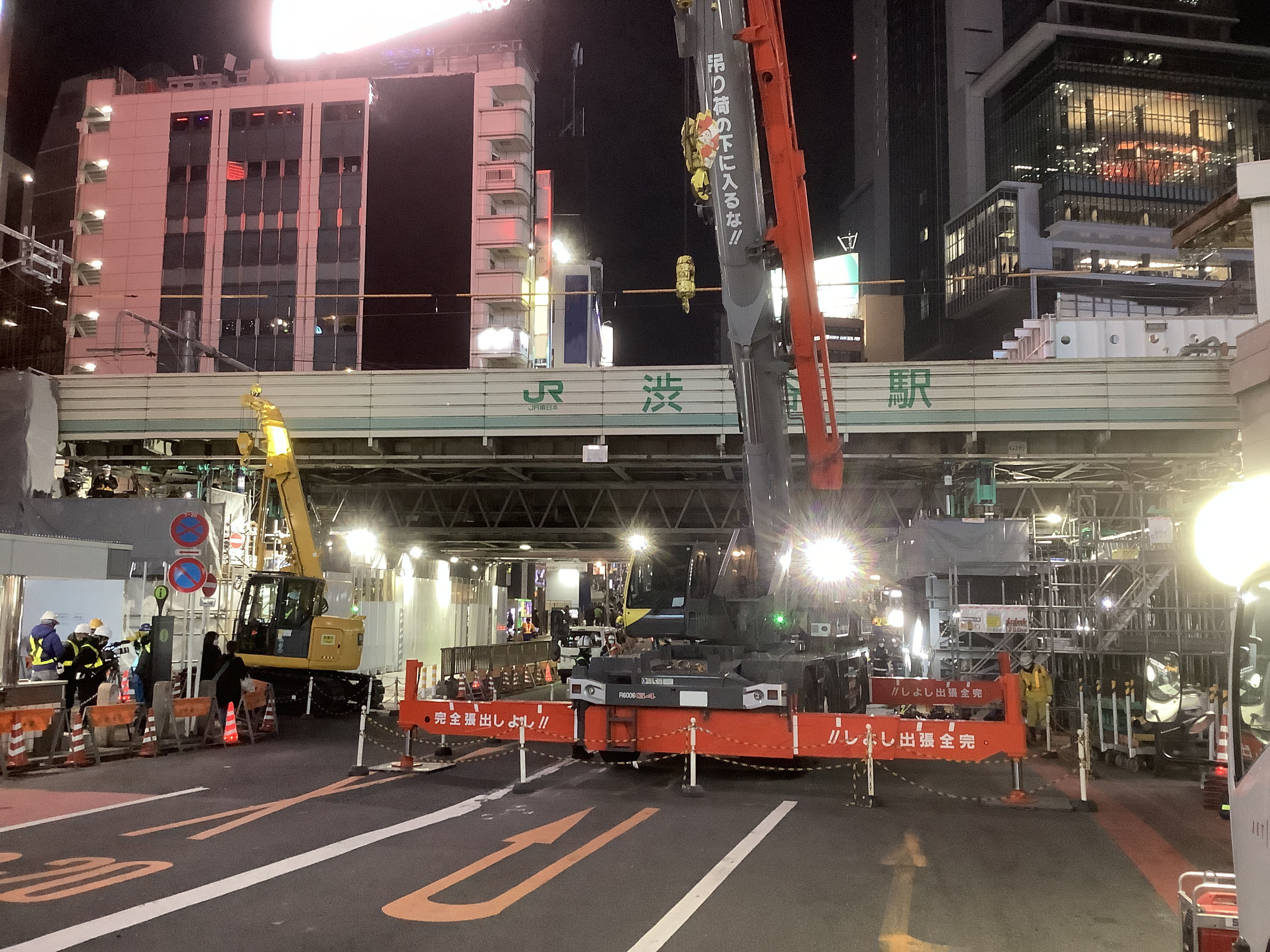
Along with the development of a safe and comfortable urban space by reorganization the public facilities around Shibuya Station, a significant renewal of the station was also implemented.
Tracks were switched five times for improving transfer convenience, better clarity and congestion reduction. Although the work was complex and difficult, the fact that it was completed while the station (platforms) was in operation is of high technical value and contributes to the development of railway civil engineering. This project made it easier for people to move around and created a sense of unity in the town.